Are you worried that sudden price swings will wipe out your crypto earnings? This article explains how market liquidity influences volatility, why recent trends suggest calmer markets, and what you should consider when planning to earn online.
The plain explanation
Liquidity is the ability to buy or sell an asset quickly without causing a large change in its price. In crypto, liquidity is measured by the depth of order books on exchanges and the total daily trading volume of a coin or token. When many buyers and sellers are active, a single trade represents only a small fraction of the market, so prices move more smoothly.
Volatility describes how much an asset’s price fluctuates over a given period. High volatility means large price swings in short time frames, while low volatility indicates steadier price movements. Volatility is often expressed as a percentage, such as “one‑year realized volatility,” which looks at the average size of daily price changes over a year.
The relationship between liquidity and volatility is straightforward: deeper markets tend to dampen price swings because large trades are absorbed by a broader pool of counterparties. Conversely, thin markets amplify each trade’s impact, leading to the “boom‑and‑bust” cycles that characterized early crypto years.
A real example
In September 2026, Solstice CEO Ben Nadareski told the Chain Reaction show that crypto markets are becoming less prone to extreme swings. He pointed to rising liquidity across major trading pairs, even during bear periods, and noted that institutional investors are now a dominant force. Supporting data from a December 2025 report by Glassnode and Fasanara Digital showed Bitcoin’s one‑year realized volatility falling from 84.4% to 43% as daily spot volumes rose from $4‑13 billion to $8‑22 billion. These figures illustrate how more capital and deeper order books have already begun to smooth price movements.
What it means for you
If you earn crypto through mining, staking, or cloud‑based rewards, lower volatility can reduce the risk of sudden value drops that erode your passive income. A steadier price environment means the fiat value of your rewards is more predictable, making budgeting and reinvestment easier. Additionally, deeper markets often bring tighter spreads (the difference between buying and selling prices), which can lower transaction costs when you need to convert rewards into cash.
However, reduced volatility does not eliminate risk. Prices can still move, and the overall trend of a coin—up or down—still matters for long‑term earnings. Moreover, as institutional money flows in, the market may become more sensitive to macro‑economic news, shifting the sources of price movement.
What to check / how to judge
- Trading volume: Look at the 24‑hour volume for the coin you earn. Consistently high volume (e.g., above $10 billion for Bitcoin) suggests good liquidity.
- Order‑book depth: On major exchanges, check how much of the asset can be bought or sold within a small price range (e.g., 0.5% slippage). Deeper books mean less price impact for your transactions.
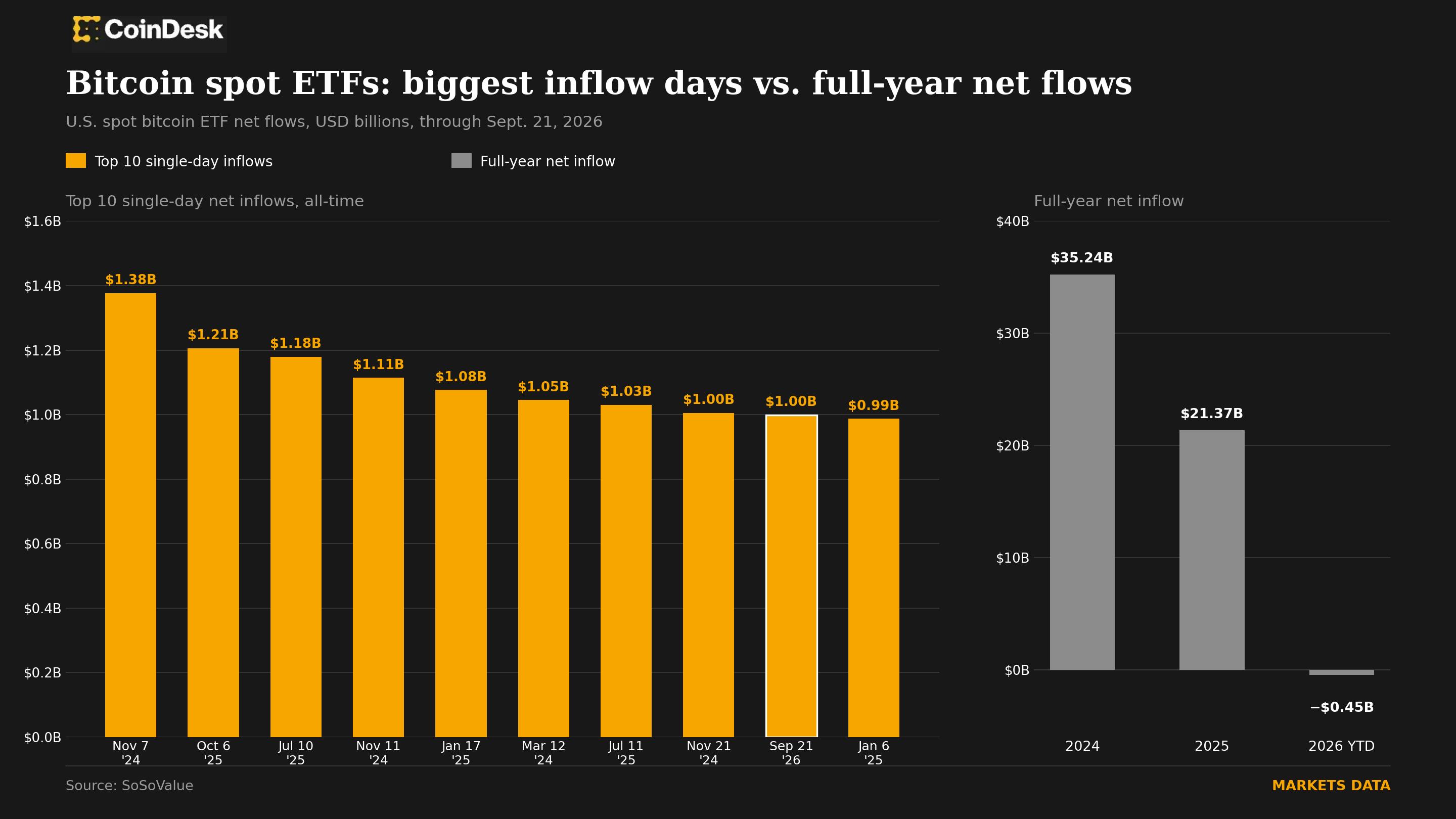
- Institutional presence: News of ETFs, custodial services, or large fund allocations often signals growing institutional participation, which typically adds liquidity.
- Volatility metrics: Use tools like realized volatility or the average true range (ATR) to gauge recent price swings. Lower numbers indicate a calmer market.
- Stablecoin share: A high proportion of stablecoins in trading volume (over 70% in early 2026) can act as a liquidity buffer, reducing wild price moves in other assets.
FAQ
Is lower volatility always better for earning crypto?
Lower volatility reduces the chance of sudden losses, making reward payouts more predictable. However, it can also mean smaller price spikes that some traders rely on for extra profit. For passive earners, stability is usually a net benefit.
Can I rely on liquidity data from a single exchange?
No. Liquidity can vary across platforms. Compare order‑book depth and volume on several reputable exchanges to get a fuller picture.
How do stablecoins affect market volatility?
Stablecoins provide a low‑risk medium for traders to move in and out of positions without converting to fiat. Their high share of trading volume (around 75% in Q1 2026) adds depth to the market, helping to cushion price swings in other assets.
Will institutional investors always keep volatility low?
Institutional capital generally adds liquidity, but large fund movements can still cause noticeable price shifts, especially if many funds act in concert. Monitoring institutional news and ETF inflows helps you anticipate potential moves.
This article references reporting from cointelegraph.com.