Wondering how a flaw in a hardware wallet could put your Bitcoin at risk and what you can do to protect it? This article explains how hardware wallet vulnerabilities work, why they matter, and the steps you can take to keep your crypto safe.
The plain explanation
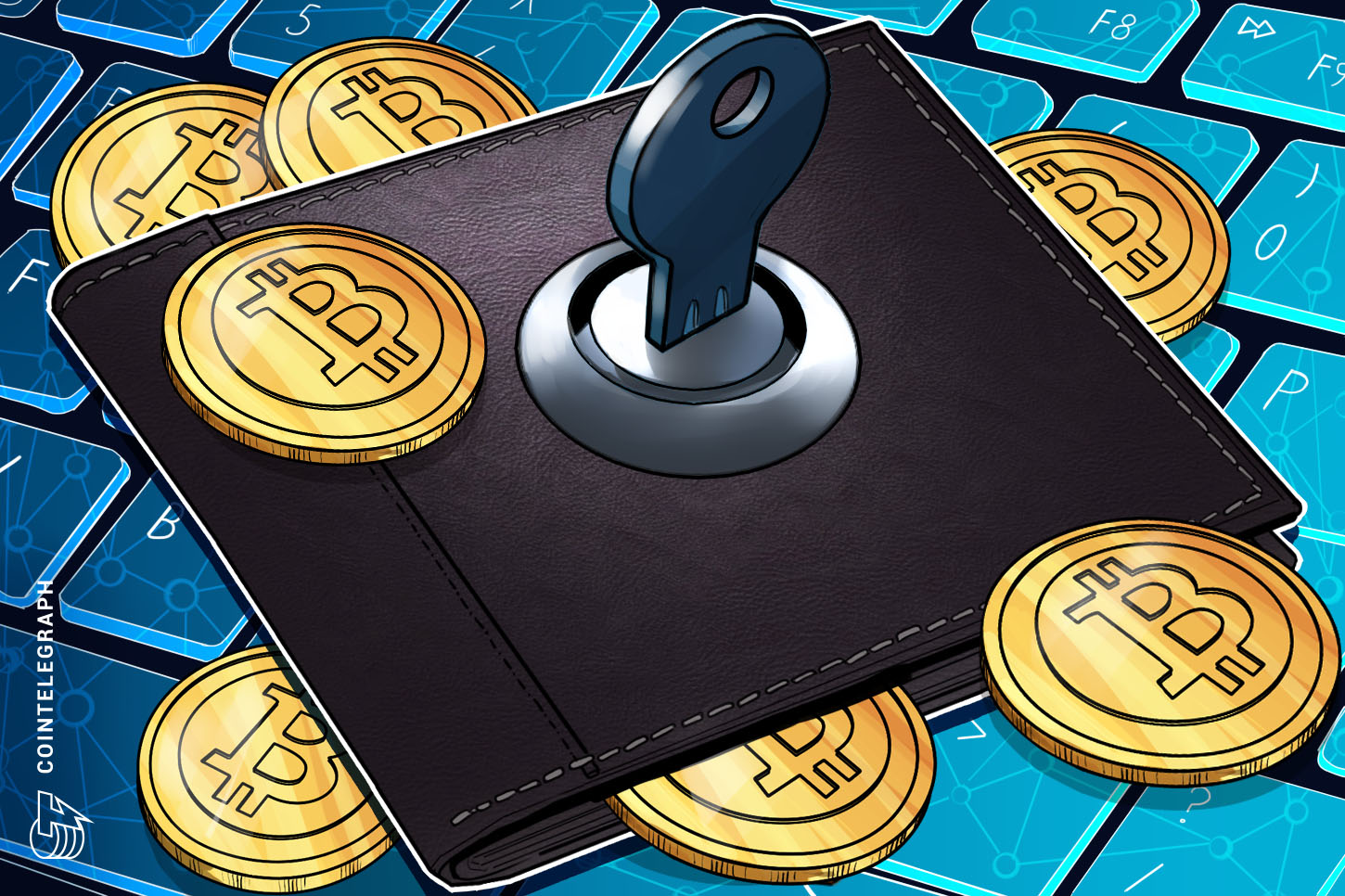
A hardware wallet is a small, offline device that stores the private keys needed to move cryptocurrency. Private keys are like secret passwords; anyone who has them can control the funds in the associated wallet. Because the device never connects to the internet, it is generally considered the most secure way for individuals to hold crypto.
Security, however, depends on the quality of the wallet’s internal random number generator (RNG). The RNG creates the entropy—the randomness—used to generate private keys. If the RNG is flawed, the keys it produces may be predictable or repeatable, making it possible for an attacker to guess or reconstruct them.
When a vulnerability is discovered, it can be exploited in two main ways:
- Key extraction: An attacker extracts the private key directly from the device, often by exploiting a software bug or hardware flaw.
- Address reuse prediction: If the RNG produces low‑entropy (insufficiently random) keys, the same or similar keys may appear across many wallets, allowing an attacker to scan the blockchain for vulnerable addresses and steal any funds they hold.
Both scenarios require the attacker to have physical or remote access to the device’s firmware or to monitor transactions for patterns that match the weak keys. Once the private keys are known, the attacker can move the funds to any address they control.
A real example
In September 2026, a major incident highlighted the risk of hardware wallet flaws. A vulnerability in the Coldcard hardware wallet’s entropy generation allowed attackers to identify and target wallets with weak keys. The exploit unfolded in multiple waves, moving a total of 1,830 BTC across 9,162 addresses linked to the flaw.
Security researchers and “white‑hat” responders stepped in to mitigate the damage. They rescued about 40 % of the Bitcoin from the second wave, transferring 52.37 BTC to a Wyoming‑based Crypto Recovery Trust set up to return the funds to victims. One researcher, Nick Bax, reported rescuing roughly 50 BTC in July because the funds were “imminently going to be stolen.” The incident demonstrates how quickly a hardware‑wallet flaw can translate into real financial loss, and how coordinated community response can help protect users.
What it means for you
If you store crypto on a hardware wallet, a vulnerability like the Coldcard entropy flaw can expose any funds you keep there. Even though the device is offline, a predictable RNG means that an attacker could potentially reconstruct your private key without ever needing to touch the device. This risk is especially relevant for users who keep large balances or who have not updated their device firmware.
Beyond the immediate threat of theft, such incidents can erode confidence in self‑custody solutions, pushing users toward custodial services that may offer insurance but also introduce counter‑party risk. Understanding the nature of hardware wallet security helps you make an informed choice about where and how to store your crypto.
What to check / how to judge
- Firmware updates: Regularly check the manufacturer’s website for firmware releases. Updates often patch known bugs, including RNG issues.
- Audit reports: Look for independent security audits of the wallet’s firmware and RNG. Reputable auditors will publish their findings publicly.
- Community alerts: Follow trusted security researchers and forums for announcements of new vulnerabilities. Early awareness can give you time to move funds.
- Recovery options: Ensure you have a secure backup of your recovery seed (the list of words that can recreate your private keys). Store it offline in a safe location.
- Device provenance: Purchase hardware wallets directly from the manufacturer or authorized resellers to avoid tampered devices.
FAQ
Can I still use a hardware wallet if a vulnerability is discovered?
Yes, but you should apply any firmware updates immediately and consider moving funds to a different wallet if the manufacturer does not fix the issue promptly.
How do I know if my wallet was affected by the Coldcard flaw?
The Crypto Recovery Trust set up a website where owners can enter their wallet addresses to see if the funds are under the trust’s control. Checking the address is a quick way to verify exposure.
Do backup seeds protect me from RNG‑related attacks?
A backup seed is generated at the time of wallet initialization. If the RNG was weak during that process, the seed itself may be vulnerable. Using a wallet with a proven, high‑entropy RNG for seed generation is essential.
Is it safer to keep small amounts on a hardware wallet and larger sums in a custodial service?
Safety depends on your risk tolerance. Hardware wallets eliminate counter‑party risk but rely on the device’s security. Custodial services add insurance and professional security but introduce trust and regulatory risk. Diversifying across both methods can balance these factors.
This article references reporting from cointelegraph.com.