
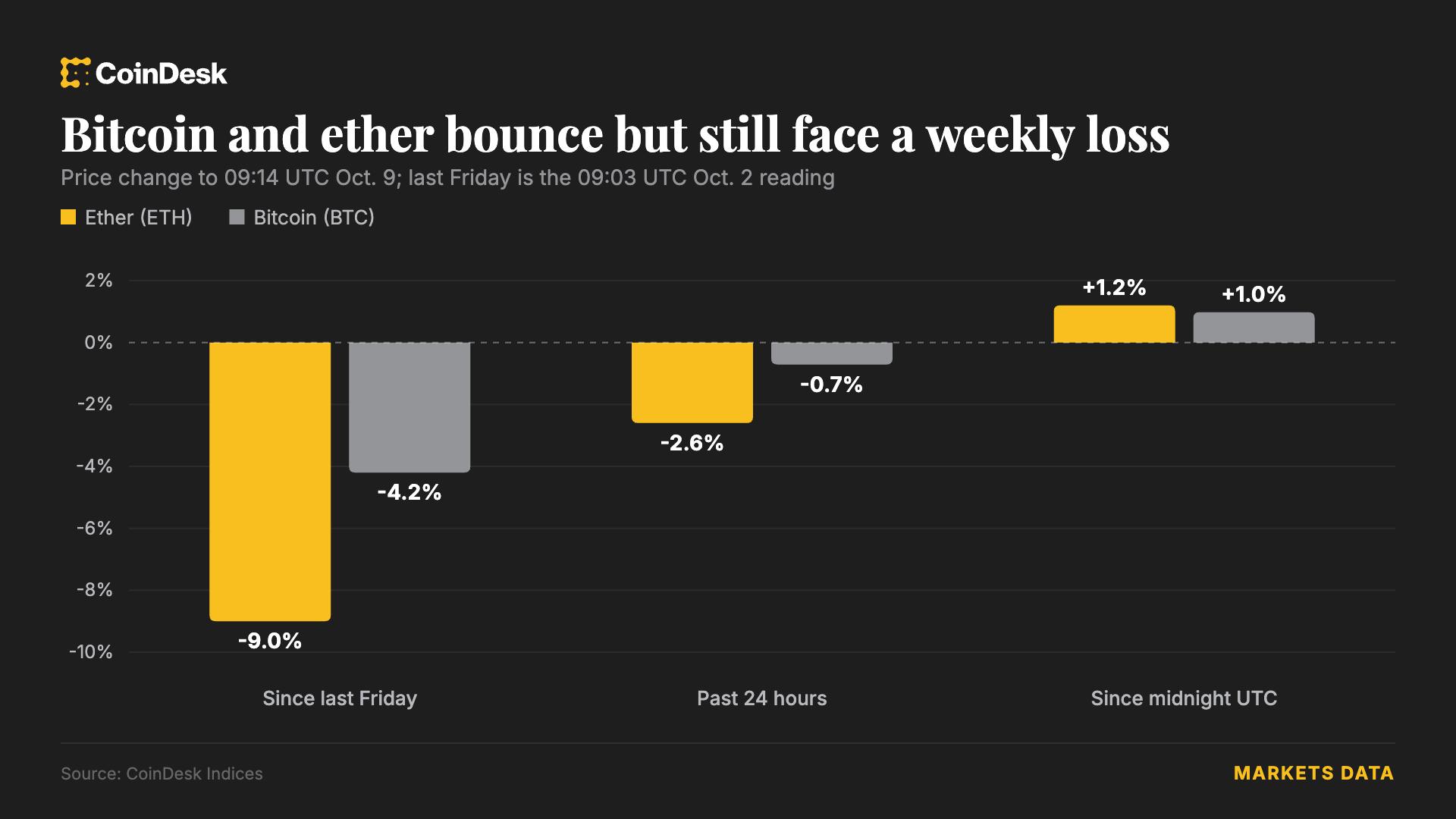
Do you wonder why Bitcoin’s price can swing dramatically after a political headline? This article explains how geopolitical events affect Bitcoin’s market dynamics and what you can do to navigate those moves.
What “geopolitical impact” really means for Bitcoin
Bitcoin is a digital asset that trades 24/7 on global exchanges. Its price is set by supply and demand, just like any commodity. Geopolitical events—such as elections, sanctions, wars, or diplomatic statements—can shift investor sentiment quickly. When a leader makes a statement about foreign policy, it can change expectations about economic stability, inflation, or regulatory environments, which in turn influences how much money flows into or out of Bitcoin.
Key mechanisms include:
- Risk‑on / risk‑off shifts: In uncertain times, some investors treat Bitcoin as a “digital gold” hedge, buying it (risk‑on). Others see it as a speculative asset and sell it for safer currencies (risk‑off).
- Currency devaluation fears: If a country’s fiat currency is expected to weaken due to sanctions or war, residents may look for alternatives, boosting demand for Bitcoin.
- Regulatory anticipation: Statements that hint at future regulation can cause traders to pre‑emptively adjust positions, either buying in anticipation of a favorable environment or selling to avoid potential bans.
Real‑world illustration
In March 2026, Bitcoin steadied near $82,500 after former President Donald Trump publicly ruled out an Iranian strike before the U.S. midterm elections. The statement removed a potential flash‑crisis scenario that many traders had feared could trigger a sharp market sell‑off. As the perceived risk of a sudden geopolitical shock faded, demand for Bitcoin stabilized, and the price found a relatively calm range.
What this means for you
If you are trying to earn passive income through Bitcoin—whether by mining, staking, or holding—you need to understand that price swings driven by politics are normal and often short‑lived. A sudden dip can turn a “paper loss” into a buying opportunity, while a rapid rally may tempt you to lock in gains too early. Recognizing the source of the move helps you decide whether to stay the course or adjust your position.
How to evaluate the impact of a political event
- Identify the core risk: Is the news about sanctions, war, elections, or regulatory changes? Each carries a different market implication.
- Check the market’s reaction time: Bitcoin reacts within minutes to major headlines. Look at price charts for the first 30‑60 minutes to gauge the immediate sentiment.
- Assess the broader economic context: A geopolitical event that also affects oil prices, interest rates, or fiat currency stability will have a larger ripple effect.
- Look for confirmation from multiple sources: Reliable news outlets, official statements, and reputable analysts help filter out rumors that can cause unnecessary volatility.
- Set clear risk parameters: Use stop‑loss orders or predefined portfolio limits to protect against sudden adverse moves.
FAQ
Why does Bitcoin sometimes rise when a war is announced?
In some cases, investors view Bitcoin as a hedge against fiat currency devaluation caused by war‑related economic strain. Increased buying pressure can lift the price.
Can I rely on political news to time my trades?
Political news is just one factor among many. While it can create short‑term price moves, timing trades solely on headlines is risky. Combine it with technical analysis and your overall risk tolerance.
Do geopolitical events affect mining profitability?
Mining revenue depends on Bitcoin’s price and network difficulty. A sudden price drop can reduce earnings, while a price surge can improve them. However, mining hardware costs and electricity rates remain the dominant long‑term factors.
Should I sell Bitcoin during a geopolitical crisis?
That depends on your risk appetite. If you need immediate liquidity or cannot tolerate high volatility, reducing exposure might be prudent. For long‑term holders, staying invested often avoids the mistake of selling low and missing later recoveries.
This article references reporting from coindesk.com.





