
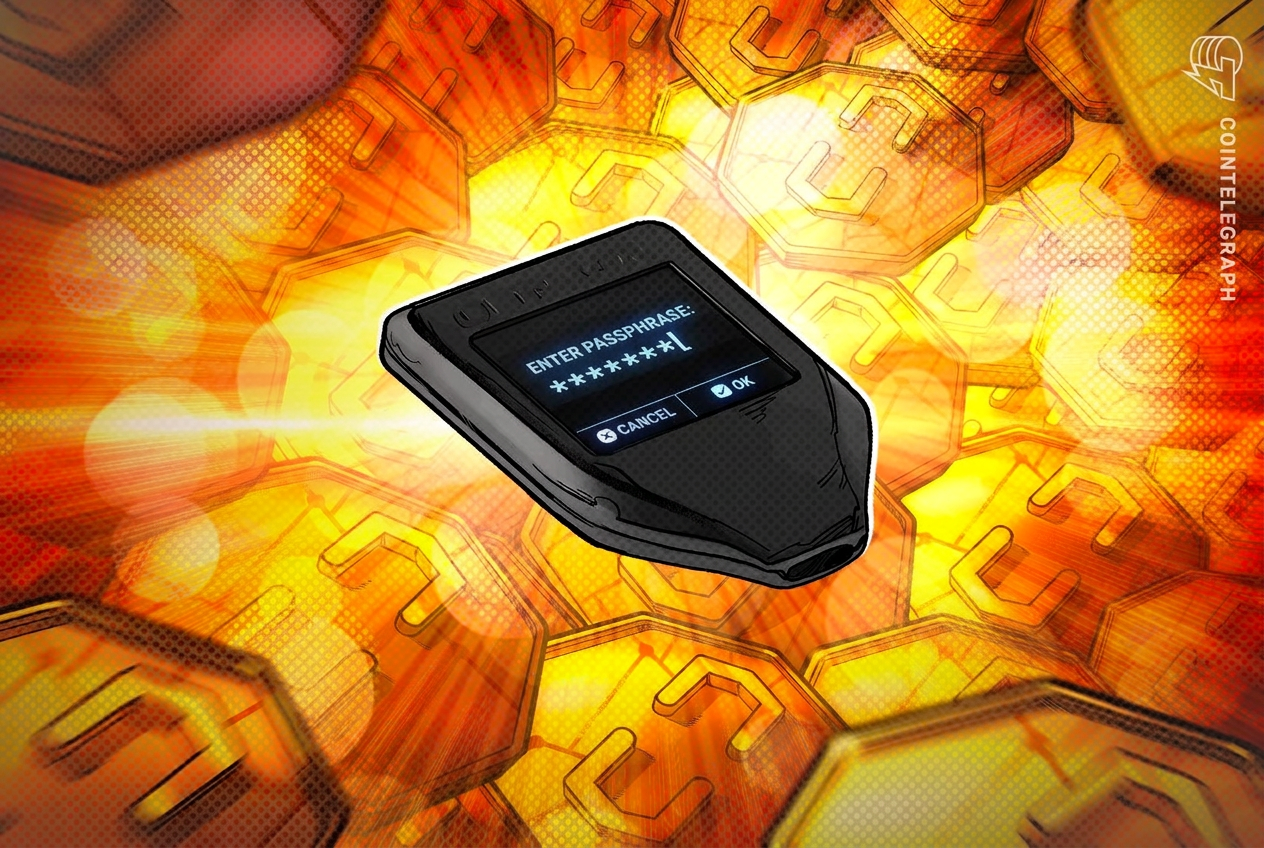
Wondering how to make your crypto holdings safer against theft? This article explains what a wallet passphrase is, why its length matters, and how you can use it to protect your assets.
What a Passphrase Is and How It Works
A hardware wallet stores two critical pieces of information: the recovery phrase (also called a seed phrase) and the private keys that control your coins. The recovery phrase is a list of 12, 18 or 24 words generated by the device; anyone who knows it can rebuild the wallet on a new device and move the funds.
A passphrase is an optional, user‑chosen string of characters that is combined with the recovery phrase to create a second, hidden wallet. Think of it as a second password that sits on top of the seed. When you enter the recovery phrase alone, you access the “default” wallet. When you add the correct passphrase, you unlock a completely separate set of addresses that only you know about.
Because the passphrase is never stored on the device, it must be remembered or kept in a secure offline location. If an attacker obtains the recovery phrase but does not know the passphrase, they cannot reach the hidden wallet, effectively splitting the security into two layers.
Why Passphrase Length Matters
The strength of a passphrase depends on two factors: entropy (the randomness of the characters) and length. A short passphrase—say, “mywallet123”—has low entropy and can be guessed or brute‑forced relatively quickly. By contrast, a long, random passphrase of 128 characters contains billions of possible combinations, making a brute‑force attack practically impossible.
Many hardware wallet manufacturers originally limited passphrases to 50 characters, which was sufficient for simple phrases but left room for weak choices. Extending the limit to 128 characters, as some devices now allow, gives users the freedom to create truly high‑entropy strings without worrying about truncation.
Real‑World Example: Trezor Extends Its Passphrase Ceiling
In November 2026, Trezor announced that it had increased the maximum length of optional wallet passphrases from 50 to 128 characters. The change was delivered via a firmware update and is available in the Trezor Suite application. Trezor cited the July 2026 Coldcard attacks, where a firmware flaw produced poorly random recovery phrases. Users who had added strong, unique passphrases were able to keep their funds safe even though the recovery phrase itself was compromised.
The update shows how a longer passphrase can act as a decisive line of defense when other parts of the security chain fail.
What It Means for You
If you already own a hardware wallet, you can now set a longer passphrase (up to 128 characters) without hitting a software limit. This gives you the opportunity to use a truly random string—generated by a dice‑roll method, a password manager, or a dedicated passphrase generator—rather than a memorable phrase that might be easier to guess.
Even if you are not currently using a passphrase, adding one creates a hidden wallet that is invisible to anyone who only has your recovery phrase. This extra layer can protect you against phishing attacks, device compromises, or supply‑chain attacks that expose the seed.
How to Choose and Manage a Secure Passphrase
- Generate randomness: Use a reputable password manager or a dice‑roll method to create a string of at least 80 characters. Include uppercase, lowercase, numbers, and symbols.
- Store it safely: Write the passphrase on paper and keep it in a fire‑proof safe, or split it into multiple parts and store them in separate secure locations.
- Never share it: The passphrase is never needed for routine transactions; only you need it to access the hidden wallet.
- Test recovery: After setting a passphrase, verify that you can restore the hidden wallet on a second device. This ensures you have a reliable backup.
- Keep firmware up to date: Manufacturers often release security patches that affect how passphrases are handled.
FAQ
What’s the difference between a recovery phrase and a passphrase?
The recovery phrase is a fixed list of words generated by the wallet that can rebuild all wallets on that device. The passphrase is an optional, user‑chosen string that, when combined with the recovery phrase, creates a separate hidden wallet.
Do I need a passphrase if I already use a strong recovery phrase?
A strong, random recovery phrase is essential, but a passphrase adds a second, independent layer. If the recovery phrase is ever exposed, the passphrase can still keep a portion of your funds inaccessible to the attacker.
Can I change my passphrase later?
Yes. Most hardware wallets allow you to update the passphrase, but changing it creates a new hidden wallet. You must back up the new hidden wallet’s addresses before discarding the old one.
Is a longer passphrase always better?
Length increases the number of possible combinations, but a passphrase that is both long and truly random provides the highest security. A short, predictable phrase, even if long, can still be vulnerable.
This article references reporting from cointelegraph.com.





