Are you wondering why central bank decisions seem to move the price of Bitcoin and what that means for your mining or staking returns? This article explains how interest rate hikes ripple through the crypto market and affect the profitability of earning Bitcoin.
What interest rates are and how they interact with Bitcoin
Interest rates are the cost of borrowing money, set by a country’s central bank. When a bank raises rates, loans become more expensive and savings accounts pay higher returns. This shift changes where investors put their money. Bitcoin, like any other asset, competes for capital against traditional investments such as bonds, stocks, and cash.
Because Bitcoin has no yield of its own (it does not pay interest or dividends), its price is largely driven by demand. If higher rates make bonds more attractive, some investors may sell Bitcoin to move into those safer, interest‑bearing assets, pushing the price down. Conversely, when rates are low, the opportunity cost of holding a non‑yielding asset falls, and Bitcoin can attract more speculative capital, lifting its price.
Why the price matters for miners and earners
Bitcoin miners earn new coins by solving complex mathematical puzzles—a process called proof‑of‑work. The reward for each block is a fixed number of newly minted Bitcoin (currently 6.25 BTC) plus any transaction fees. The value of those rewards depends directly on Bitcoin’s market price. If the price falls after a rate hike, the dollar value of each mined block drops, potentially turning a profitable operation into a loss.
Similarly, platforms that let you earn Bitcoin through cloud mining or pooled staking pay out rewards based on the same block rewards. Their payouts are quoted in Bitcoin, so a lower price reduces the fiat value you receive, even though the number of coins stays the same.
Real‑world illustration
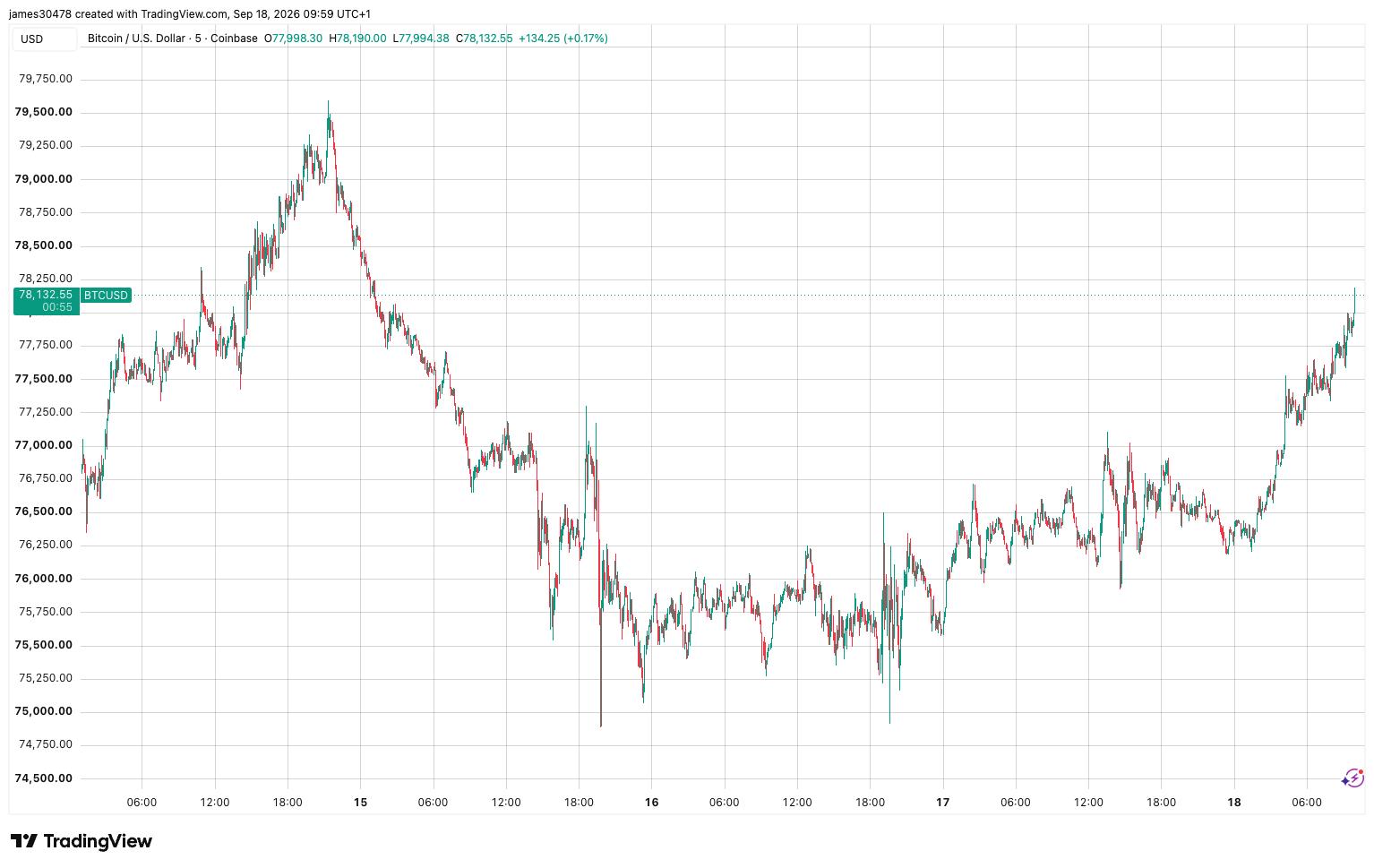
In September 2026, the Bank of Japan raised its policy rate by 25 basis points. The move was part of a global wave of rate hikes following the U.S. Federal Reserve’s earlier increases. Bitcoin responded by climbing back toward $77,000 after a brief dip, showing how market participants sometimes view the digital asset as a hedge against tightening monetary policy. The price swing demonstrated that central‑bank actions can create short‑term volatility, which directly impacts miners’ earnings.
What this means for you
If you run a mining rig or participate in a cloud‑mining service, you should expect your earnings to fluctuate with interest‑rate‑driven price moves. A sudden rate hike could reduce the fiat value of your rewards overnight. On the other hand, periods of low rates may boost Bitcoin’s price and improve your return on investment.
Understanding the macro environment helps you plan better. You might choose to:
- Maintain a cash reserve to cover operating costs during price dips.
- Consider diversifying into assets that perform well when rates rise, such as certain stablecoins or interest‑bearing crypto products.
- Monitor central‑bank calendars so you can anticipate potential volatility.
How to evaluate the impact before you commit
When assessing a mining or earning opportunity, look at these concrete factors:
- Break‑even Bitcoin price: Calculate the Bitcoin price at which your electricity, hardware depreciation, and other costs equal your expected block reward. Most mining calculators let you input your hash rate and power usage to get this figure.
- Interest‑rate outlook: Follow announcements from major central banks (Fed, ECB, BoJ, etc.). A series of hikes signals potential downward pressure on Bitcoin.
- Revenue diversification: Some platforms offer a mix of Bitcoin and other crypto rewards. A diversified payout can smooth out the effect of a single‑asset price swing.
- Liquidity and withdrawal terms: Ensure you can convert earned Bitcoin to fiat quickly if you need to cover expenses during a price slump.
FAQ
Q: Does a higher interest rate always mean Bitcoin will drop?
A: Not always. While higher rates often make fixed‑income assets more attractive, Bitcoin’s price is also influenced by factors like regulatory news, adoption trends, and market sentiment. Rate hikes are just one piece of the puzzle.
Q: Can I protect my mining income from rate‑driven price drops?
A: You can hedge by converting a portion of your Bitcoin rewards to stablecoins or fiat when the price is high, or by using contracts that lock in a future price. These strategies add complexity and cost, so weigh them carefully.
Q: How often do central banks change rates, and how quickly does Bitcoin react?
A: Major central banks meet several times a year, but unexpected changes can occur. Bitcoin often reacts within minutes to hours after an announcement, though the longer‑term trend may take days or weeks to settle.
Q: Should I stop mining during a period of rising rates?
A: Not necessarily. If your operation is already profitable at current Bitcoin prices, short‑term dips may be manageable. Evaluate your break‑even price and consider whether you have enough cash flow to weather temporary downturns.
This article references reporting from coindesk.com.