
Ever wondered why a single buyer can seem to move the price of a popular cryptocurrency? This article explains how token purchase programs work, why they matter for price stability, and what you should consider when you’re trying to earn or invest online.
What a token purchase program actually is
A token purchase program is a structured effort by an individual, fund, or company to buy a specific cryptocurrency on a regular basis. The goal is usually to accumulate a large holding over time while providing consistent demand that can help support the market price. These programs differ from one‑off purchases because they are often public, transparent, and may be tied to a contractual commitment.
Key terms to know:
- Buy‑back program: A scheme where the entity commits to repurchasing its own token or another token, often to reduce circulating supply.
- Steady buyer: An investor who purchases a set amount of a cryptocurrency at regular intervals, creating predictable demand.
- Liquidity: The ease with which a token can be bought or sold without causing a large price change.
When a steady buyer enters the market, they add liquidity and can dampen volatility. Conversely, when they exit, the sudden drop in demand can create a short‑term price dip, especially if the token’s overall market depth is limited.
Real‑world illustration
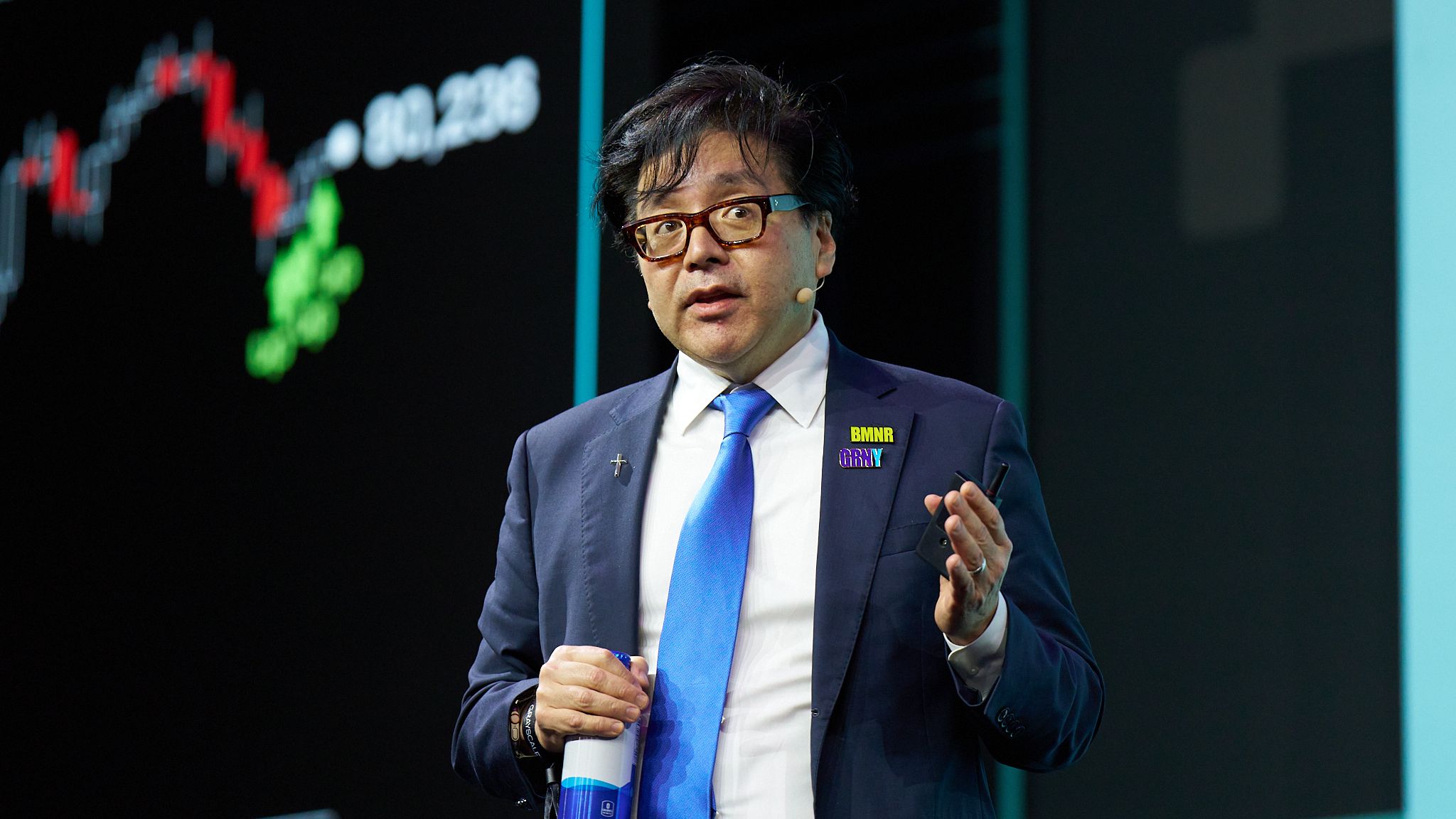
In March 2026, well‑known analyst Tom Lee noted that Bitmine, a prominent crypto investment firm, planned to stop its ongoing Ether (ETH) purchases. Bitmine had been a “steady buyer,” regularly buying ETH to support its own portfolio and, indirectly, the broader market. Lee’s comment highlighted how the withdrawal of a single large buyer could reduce buying pressure on Ether, potentially affecting its price trajectory.
What this means for you
If you are looking to earn passive income through crypto holdings, understanding the role of large buyers helps you gauge price stability. A token that benefits from regular institutional buying may experience less dramatic swings, making it easier to plan long‑term strategies such as staking or holding for rewards. However, reliance on a single buyer also introduces risk: if that buyer stops, the token could see a temporary dip, affecting short‑term earnings.
How to evaluate a token’s buying environment
- Check public purchase commitments: Some projects publish their buy‑back or acquisition schedules. Look for announcements, blog posts, or filings that detail the amount and frequency of purchases.
- Assess market depth: Review order‑book data on major exchanges. A deep market with many buy and sell orders can absorb the loss of a single buyer more easily.
- Identify diversified demand sources: Tokens that attract both retail users and multiple institutional buyers are less vulnerable to any one participant stopping.
- Monitor price reactions to news: When a large buyer announces a change, observe how the token’s price reacts over the following days. This can give insight into the actual impact versus the perceived impact.
FAQ
Q: Does a token purchase program guarantee a higher price?
A: No. While regular buying can create upward pressure, price is still determined by overall supply and demand, market sentiment, and broader crypto trends.
Q: Should I avoid tokens that rely on a single large buyer?
A: Not necessarily, but be aware of the risk. Diversify your holdings and consider tokens with multiple sources of demand to reduce exposure.
Q: How can I benefit from a token’s buy‑back program?
A: Buy‑back programs can reduce circulating supply, potentially supporting price. If you hold the token, you may see a modest price boost, but always factor in the inherent volatility of crypto markets.
Q: Are there any red flags when a token announces a purchase program?
A: Watch for vague terms, lack of transparency about the amount or duration, and any indication that the program is tied to unrealistic promises of price support.
This article references reporting from coindesk.com.





