
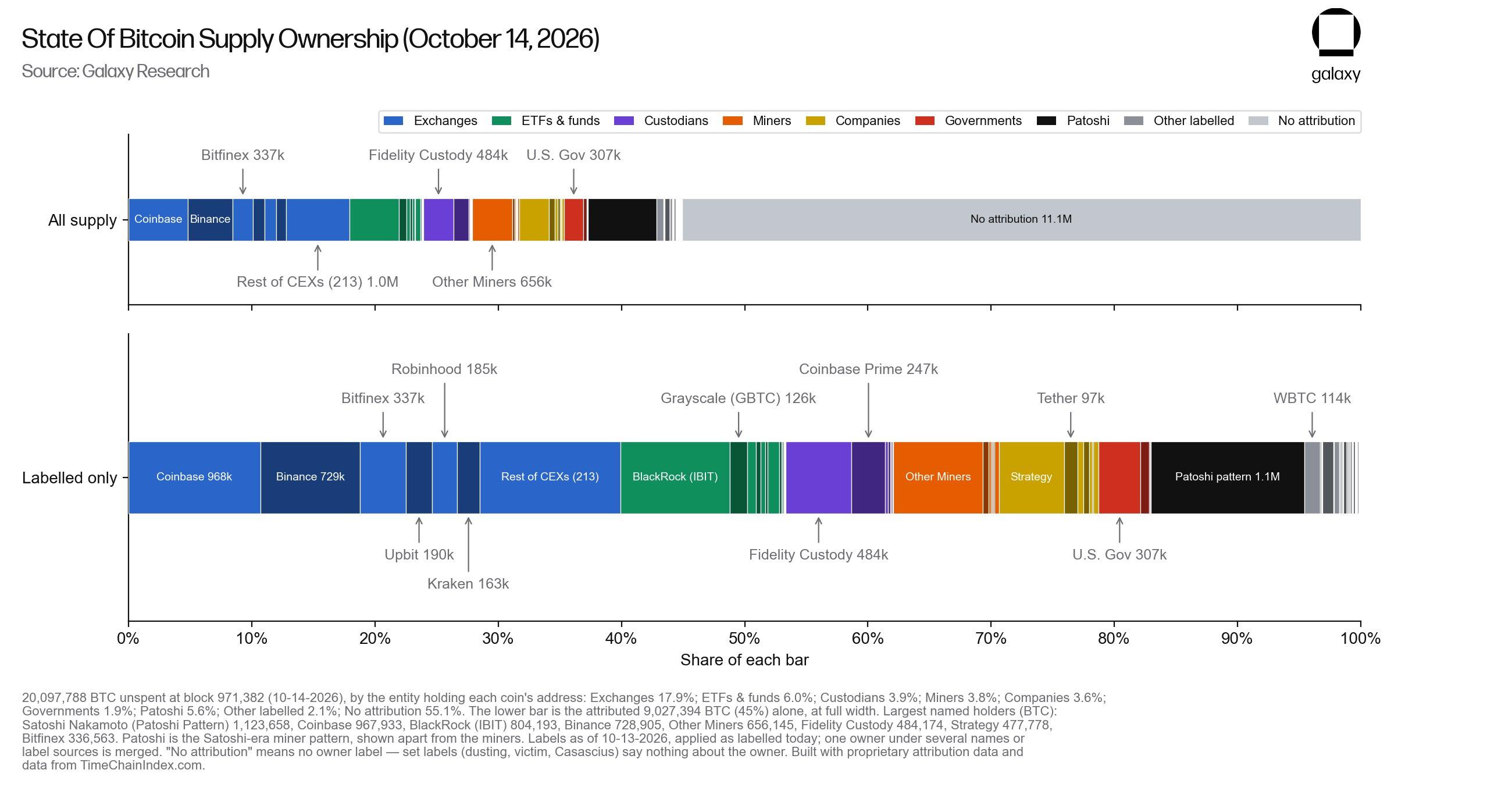
Ever wondered why the total supply of Bitcoin never seems to shrink, even though many coins disappear from circulation? This article explains why a large amount of Bitcoin is considered “lost,” how that happens, and what the consequences are for anyone looking to earn or invest in crypto.
What does “lost Bitcoin” actually mean?
Bitcoin is stored in digital wallets that are secured by private keys – long strings of random characters that act like passwords. Whoever holds the private key can move the coins; anyone without it cannot. When a private key is destroyed, forgotten, or otherwise becomes inaccessible, the coins in that wallet are effectively out of reach forever. Because the Bitcoin network is immutable, there is no way to reset a password or recover a lost key.
“Lost Bitcoin” therefore refers to coins that are locked in wallets with no known or recoverable private key. This includes:
- Forgotten passwords: Users who lose the seed phrase (a list of 12‑24 words) that generates their private keys.
- Hardware failures: Damaged or discarded hardware wallets where the recovery phrase was never backed up.
- Dead accounts: Wallets belonging to deceased individuals whose heirs never obtained the keys.
- Exchange collapses: Funds held on platforms that shut down without providing users access to their private keys.
Because the blockchain records every transaction publicly, analysts can estimate the amount of Bitcoin that has not moved for many years. These “dormant” coins are often assumed to be lost, though some may simply be held for the long term.
Why does the total supply stay the same?
The Bitcoin protocol caps the total supply at 21 million coins. This limit is hard‑coded into the software and cannot be changed without a consensus-wide upgrade, which is highly unlikely. When coins become inaccessible, they are still counted in the total supply because the network cannot distinguish between active and inaccessible balances. As a result, the circulating supply – the coins that are actually available for trade – is lower than the total supply.
Real‑world illustration
In a recent analysis published in 2023, researchers estimated that over 11 million Bitcoin have no known owner. This figure represents roughly half of all Bitcoin ever created. The study arrived at the number by tracking wallets that have not seen any outgoing transaction for more than a decade, assuming that such inactivity points to lost private keys. While the exact number can never be verified, the estimate highlights the scale of the phenomenon.
What it means for you as a crypto earner
Understanding the existence of lost Bitcoin helps you gauge the true scarcity of the asset. Fewer coins in circulation can increase demand for the remaining supply, potentially influencing price over the long term. However, the market already prices in the known supply, so sudden price jumps solely due to “lost” coins are unlikely.
If you are earning Bitcoin through mining, staking, or cloud‑based rewards, the presence of lost coins does not directly affect your earnings. Your rewards are calculated based on the network’s block creation and the total hash power you contribute, not on how many coins are actively held. Nonetheless, a tighter circulating supply can make each earned coin more valuable relative to fiat currencies.
How to assess the impact of lost Bitcoin on your strategy
- Check circulating supply data: Look at reputable sites that differentiate between total and circulating supply to understand how many coins are actually in use.
- Consider long‑term scarcity: If you believe Bitcoin’s value is driven by scarcity, factor in that a significant portion may never re‑enter the market.
- Monitor wallet activity trends: Large movements from previously dormant wallets can signal that some “lost” coins are being recovered, which may affect price dynamics.
- Secure your own keys: The biggest lesson from lost Bitcoin is the importance of proper key management. Use hardware wallets, write down seed phrases, and store backups safely.
FAQ
Why can’t the Bitcoin network recover lost coins?
Bitcoin’s design prioritises decentralisation and security. Private keys are the sole proof of ownership, and the network has no central authority that can reset or retrieve them. This ensures that no one can tamper with balances, but it also means lost keys are unrecoverable.
Do lost coins affect Bitcoin’s price?
Lost coins reduce the effective circulating supply, which can increase scarcity. However, the market already incorporates estimates of lost supply, so price changes are usually driven by broader factors such as demand, regulation, and macro‑economic conditions.
Is there any way to estimate how many Bitcoin are truly lost?
Analysts use on‑chain data to identify wallets that have been inactive for many years. While this method provides an estimate, it cannot prove loss definitively because some owners may simply be holding for the long term.
What steps can I take to avoid losing my own Bitcoin?
Use a reputable hardware wallet, back up your seed phrase in multiple secure locations, and consider using a multi‑signature setup where more than one key is required to move funds. Regularly verify that you can access your backups.
This article references reporting from coindesk.com.





