Are you wondering why Bitcoin sometimes climbs while the dollar falls, or why a central bank decision seems to shake the crypto market? This article explains the macroeconomic forces that affect Bitcoin’s price and what they mean for anyone trying to earn online through crypto.
What macro factors are and how they affect Bitcoin
In finance, “macro” refers to broad economic indicators such as interest rates, inflation, currency strength, and stock market trends. These factors shape investor sentiment and the flow of capital across assets. Bitcoin, despite being a decentralized digital currency, does not exist in a vacuum; it reacts to the same economic signals that move traditional markets.
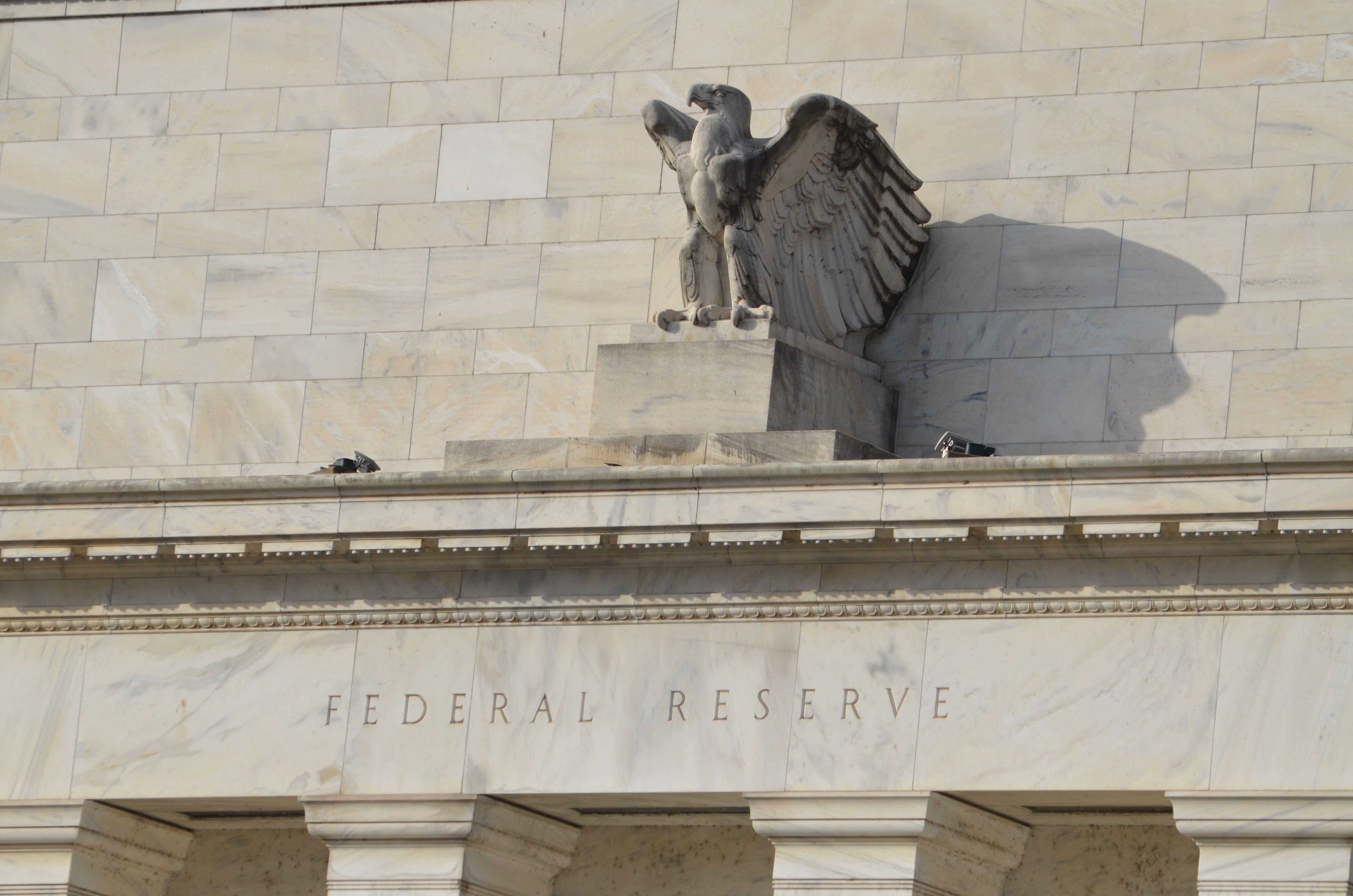
Interest rates set by a central bank (like the U.S. Federal Reserve) determine the cost of borrowing money. When rates rise, holding cash becomes more attractive because it can earn higher yields, reducing demand for risk‑ier assets such as Bitcoin. Conversely, lower rates often push investors toward assets that promise higher returns, including crypto.
Inflation measures how quickly prices for goods and services increase. High inflation erodes the purchasing power of fiat currencies, prompting some investors to seek stores of value that are not directly tied to any government. Bitcoin is often marketed as “digital gold,” so periods of rising inflation can boost its appeal.
Currency strength—for example, the U.S. Dollar Index (DXY), which tracks the dollar against a basket of other major currencies—affects Bitcoin because many traders price Bitcoin in dollars. When the dollar weakens, the same amount of Bitcoin can be bought with fewer dollars, making it appear cheaper and potentially attracting more buyers.
Stock market performance also matters. When equities are booming, investors may allocate more capital to stocks, leaving less for alternative assets. In a market slump, some investors diversify into crypto as a hedge, though the relationship is not always consistent.
Real‑world illustration
In March 2026, market data showed Bitcoin drifting away from the Dollar Index while U.S. stocks rallied ahead of a Federal Reserve meeting. Traders noted that despite the dollar’s relative strength, Bitcoin’s price remained steady, suggesting that other forces—such as anticipation of a possible rate hike—were at play. This example highlights how multiple macro variables can interact, sometimes pulling Bitcoin in opposite directions from traditional indicators.
What it means for you
If you are earning online through Bitcoin mining, staking, or cloud‑based reward platforms, macro trends can impact the value of the rewards you receive. A sudden rate hike may lower Bitcoin’s price, reducing the dollar value of your earnings. Conversely, a spike in inflation could increase Bitcoin’s appeal, potentially boosting its price and the fiat value of your payouts.
Understanding these forces helps you plan when to convert crypto earnings into fiat, when to hold for potential upside, and how to diversify your income streams to mitigate risk.
How to evaluate macro impact before you act
- Watch central bank calendars. Note upcoming interest‑rate decisions and policy statements; they often precede short‑term price swings.
- Track inflation reports. Consumer price index (CPI) releases give a snapshot of price pressure that can shift investor sentiment toward or away from Bitcoin.
- Monitor the Dollar Index. A rising DXY usually signals a stronger dollar, which can put downward pressure on Bitcoin priced in USD.
- Observe equity market trends. Strong stock performance can draw capital away from crypto, while market corrections may push investors toward alternative assets.
- Use diversified earning methods. Combine mining, staking, and cloud‑reward platforms to spread risk across different crypto‑related income sources.
FAQ
Why does Bitcoin sometimes move opposite to the dollar?
When the dollar weakens, investors often look for assets that can preserve value, and Bitcoin is one such option. This inverse relationship isn’t guaranteed, but it’s a common pattern during periods of dollar depreciation.
Can I protect my earnings from a sudden rate hike?
One approach is to convert a portion of your crypto earnings into stablecoins or fiat soon after a rate decision, reducing exposure to short‑term price drops. However, this also means you might miss out on any subsequent upside.
Do stock market gains always hurt Bitcoin?
Not necessarily. While strong equity markets can draw capital away, some investors allocate funds to both stocks and crypto simultaneously. The correlation varies over time and depends on broader risk appetite.
Is it better to earn Bitcoin when inflation is high?
Higher inflation can increase demand for Bitcoin as a hedge, potentially raising its price. Yet inflation also brings economic uncertainty, which can affect mining costs and network stability. Weigh the potential upside against operational risks.
This article references reporting from coindesk.com.