Are you wondering how the United States decides which crypto projects can raise money and what rules they must follow? This article explains the basics of U.S. crypto regulation, how agencies classify tokens, and what that means for anyone looking to earn or invest in digital assets.
What U.S. Crypto Regulation Actually Is
The U.S. financial system is overseen by several federal agencies, each with its own mandate. The two most active in the crypto space are the Securities and Exchange Commission (SEC) and the Commodity Futures Trading Commission (CFTC). The SEC protects investors in securities, while the CFTC regulates commodity futures and derivatives.
When a new digital asset is created, regulators first ask: Is this token a security, a commodity, or something else? This question is known as token taxonomy. If a token is deemed a security, the issuer must comply with securities laws, which include registration or qualifying for an exemption, providing detailed disclosures, and adhering to anti‑fraud rules. If it is classified as a commodity, the CFTC may require reporting, market‑surveillance, and adherence to derivatives regulations.
Because crypto projects can blend features—such as offering profit‑sharing, governance rights, or utility access—determining the correct classification can be complex. Regulators use tests like the Howey Test (for securities) and the Commodity Futures Modernization Act criteria (for commodities) to make that determination.
How Agencies Create Rules
Both the SEC and CFTC can issue new regulations through a rulemaking process. First, they publish a proposed rule and invite public comment for a set period, usually 30 to 90 days. After reviewing feedback, they may revise the language and then publish a final rule, which becomes enforceable.
Regulations can address many topics, such as:
- Token taxonomy: Clear definitions of what counts as a security, commodity, or exempt token.
- Developer protection: Requirements for transparency, security audits, and user safeguards in decentralized finance (DeFi) protocols.
- Innovation exemptions: Limited‑size allowances that let startups issue small amounts of tokens without full registration, encouraging experimentation.
- Real‑world asset derivatives: Rules that speed up approval for futures contracts tied to physical assets like gold or real estate.
- Sports betting and swaps: Clarifications on how certain contracts are classified under existing swap regulations.
Real‑World Example
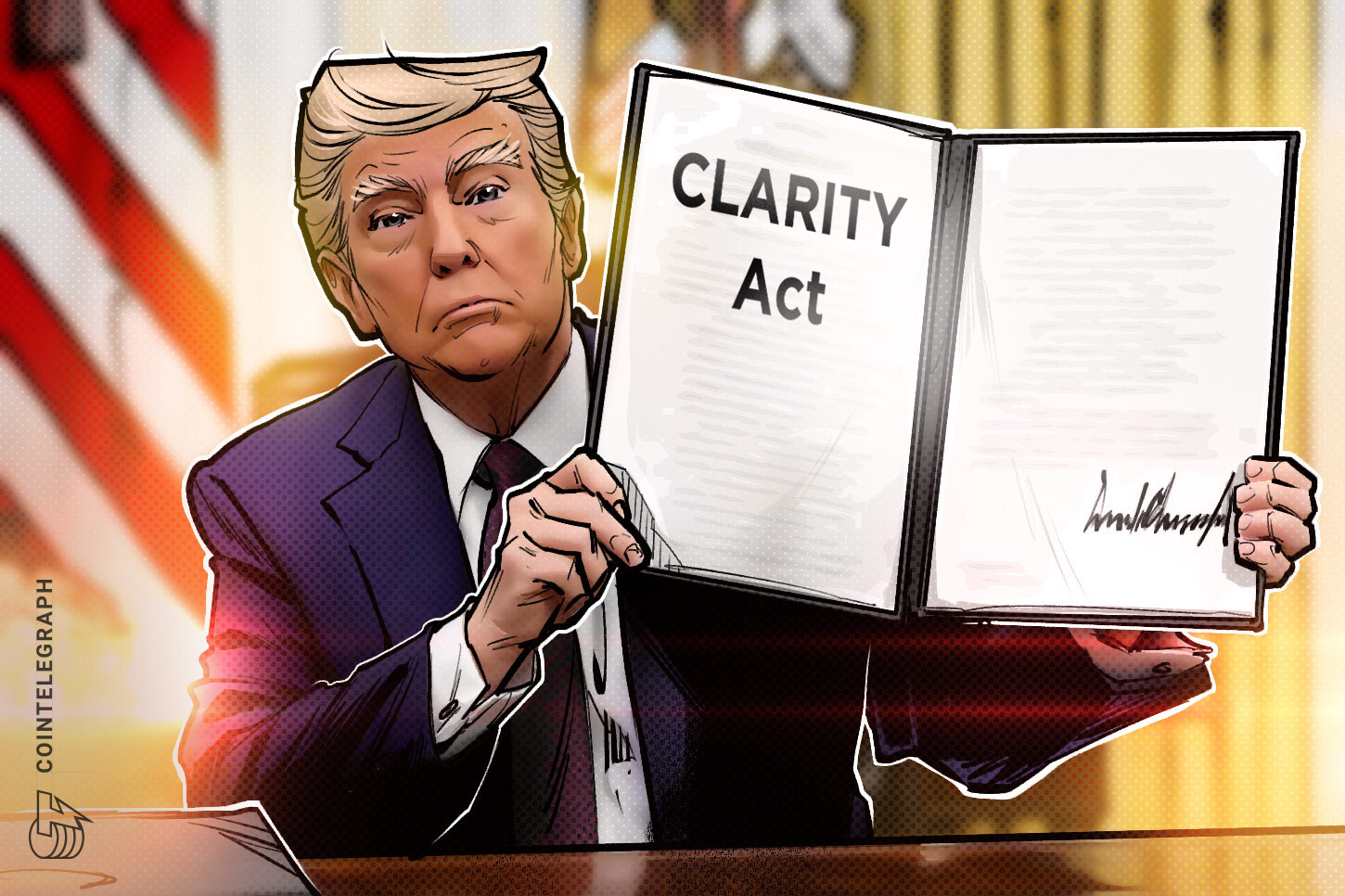
In September 2026, analysts at Bernstein noted that the U.S. Senate had failed to pass a cloture motion on the Digital Asset Market Clarity (CLARITY) Act. The CLARITY Act would have created a comprehensive federal framework for digital assets. After the vote failed, Bernstein predicted “aggressive and swift” rulemaking from the SEC and CFTC to fill the regulatory gap.
That prediction reflected the agencies’ recent activity: the SEC had already proposed rules in August 2026 that would allow crypto companies to issue up to $5 million in tokens over four years, or up to $75 million in a single 12‑month period, under a safe‑harbor exemption. The agencies also signaled plans to add developer‑protection measures for DeFi and to streamline approvals for real‑world asset perpetual futures.
What This Means for You
If you are considering earning passive income through token sales, staking, or DeFi participation, the regulatory landscape determines how safe and transparent those opportunities are. Tokens that fall under SEC jurisdiction usually require more disclosure, which can give investors clearer information about risks and business plans. Conversely, tokens classified as commodities may face fewer disclosure requirements but could be subject to different market‑manipulation rules.
Regulatory exemptions, like the SEC’s token‑issuance safe harbor, can be attractive for small projects because they lower compliance costs. However, the size limits mean that larger fundraising rounds must still go through a full registration process, which can be time‑consuming and expensive.
How to Evaluate a Crypto Offering
When assessing whether a token sale or DeFi product is suitable for your earning goals, consider these concrete steps:
- Check the token’s classification: Look for statements from the issuer about whether the token is a security, commodity, or utility. If the classification is unclear, treat the offering with extra caution.
- Review regulatory filings: For securities, the issuer should have filed a Form D (for exemptions) or a registration statement with the SEC. For commodities, look for CFTC reporting IDs.
- Assess exemption limits: Verify that any claimed exemption (e.g., the $5 million safe harbor) matches the amount being raised.
- Read the disclosure documents: Even exempt offerings must provide a prospectus or whitepaper with risk factors, use of proceeds, and team background.
- Consider developer safeguards: Does the project have third‑party audits, bug‑bounty programs, or insurance for smart‑contract failures?
FAQ
Q: How can I tell if a token I want to stake is a security?
A: Look for any promise of profit derived from the efforts of others, such as the project’s team. If the token’s value is tied to the success of the issuer’s business, it likely meets the Howey Test and is a security.
Q: Are the SEC’s safe‑harbor exemptions safe for investors?
A: Exemptions reduce regulatory burden but do not eliminate all investor protections. Issuers still must provide truthful disclosures, and investors should perform their own due diligence.
Q: What happens if a project ignores the token taxonomy rules?
A: The SEC or CFTC can issue cease‑and‑desist orders, impose fines, or pursue civil litigation. Investors may also lose recourse if the offering is later deemed illegal.
Q: Do DeFi protocols face the same regulations as centralized exchanges?
A: Not necessarily. Many DeFi projects operate without a central intermediary, making classification harder. Regulators are focusing on developer protection measures, such as requiring audits and clear user risk warnings.
This article references reporting from cointelegraph.com.