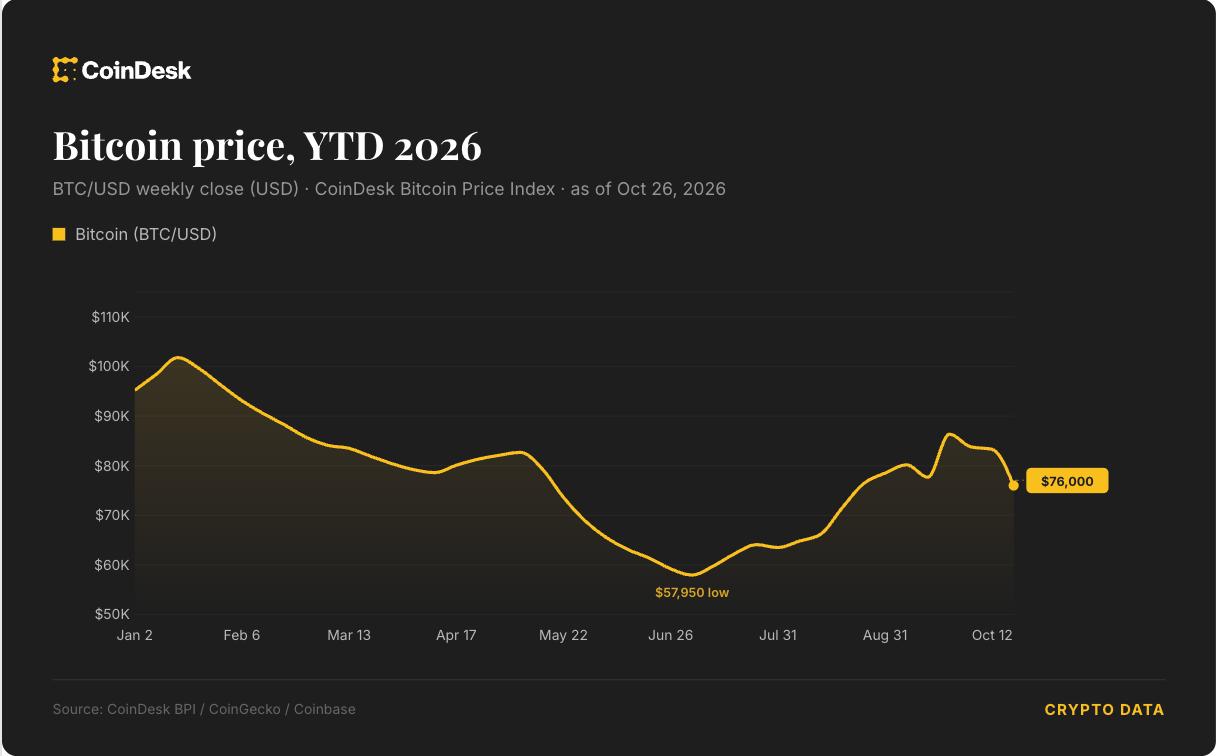
Are you wondering why Bitcoin’s price can swing dramatically and what that means for anyone trying to earn from mining? This article explains the key factors that move Bitcoin’s market value and how those movements impact mining rewards and costs.
What drives Bitcoin’s price?
Bitcoin’s price is set by supply and demand on exchanges, but the demand side is influenced by a mix of macro‑economic events, investor sentiment, and market liquidity. When large investors (often called “whales”) buy or sell big amounts, the price can shift quickly because the total supply of Bitcoin is fixed at 21 million coins.
Macro‑economic factors such as oil prices, interest‑rate changes, or geopolitical tensions affect investors’ risk appetite. In risk‑on environments, people may move money into higher‑risk assets like Bitcoin; in risk‑off periods they may sell Bitcoin for safer assets such as cash or government bonds.
Regulatory news also plays a big role. Announcements about bans, tax treatment, or new regulations can cause sudden spikes or drops as market participants reassess the legal landscape.
Market sentiment is often captured by news cycles. Positive coverage, institutional adoption, or major companies announcing Bitcoin‑related products can boost confidence, while negative headlines—like a major exchange hack or a warning from a large corporation—can trigger sell‑offs.
Because Bitcoin is traded 24/7 across many global exchanges, price changes can happen at any time, and the market reacts to both real‑world events and speculative trading patterns.
Real‑world illustration
In early November 2026, Bitcoin recorded its fifth consecutive weekly decline. The drop was linked to a rebound in oil prices and Apple’s margin warning, which together heightened investor caution ahead of the U.S. midterm elections. This example shows how unrelated sectors—energy markets and corporate earnings—can still influence Bitcoin by shifting overall market risk sentiment.
What the price means for miners
Mining is the process of validating Bitcoin transactions and adding them to the blockchain. Miners are rewarded with newly minted Bitcoin (the block reward) plus any transaction fees included in the block. The profitability of mining depends on two main variables: the value of the Bitcoin earned and the cost of running the mining hardware.
When Bitcoin’s price falls, the revenue side of the equation shrinks. Even if a miner’s hardware remains efficient, lower revenue can turn a previously profitable operation into a loss‑making one. Conversely, a price rise can make marginal operations suddenly profitable.
Mining costs are largely driven by electricity consumption and hardware depreciation. These costs are relatively fixed in the short term, so miners watch the Bitcoin price closely to decide whether to keep machines running, scale back, or temporarily shut down to avoid losses.
What you should consider if you want to earn from mining
- Electricity rates: Low‑cost power is the single biggest factor in mining profitability. Compare local rates to the average cost of electricity in major mining hubs.
- Hardware efficiency: Modern ASIC miners can deliver more hashes (the unit of work) per watt of electricity. Look for the hash‑per‑watt metric when evaluating equipment.
- Bitcoin price outlook: While it’s impossible to predict price movements, understanding the broader economic context can help you gauge risk.
- Break‑even point: Calculate the price at which your total costs equal your expected revenue. If the market price stays below this point for an extended period, mining may not be sustainable.
- Alternative earning models: Cloud mining contracts or pooled mining services can spread risk across many participants, though they come with their own fees and trust considerations.
How to evaluate a mining opportunity
- Check the electricity cost in the location where the hardware will run.
- Verify the hash rate and power consumption of the equipment; use online calculators to estimate daily earnings at current Bitcoin prices.
- Assess the hardware’s lifespan and warranty terms to understand depreciation.
- Review the operator’s reputation if considering a cloud or pooled service; look for transparent reporting and independent audits.
- Factor in transaction fee trends, which can add a noticeable amount to mining revenue during periods of high network activity.
FAQ
Why does Bitcoin’s price react to non‑crypto news?
Because Bitcoin is often treated as a risk‑on or risk‑off asset, broader market events that shift investors’ appetite for risk—such as changes in oil prices or corporate earnings—can cause them to buy or sell Bitcoin, moving its price.
Can I still mine profitably when the price is low?
Profitability depends on your specific costs. If you have very cheap electricity and highly efficient hardware, you may break even even at lower prices. Otherwise, many miners pause operations until the price recovers.
What is a mining pool and why use one?
A mining pool is a group of miners who combine their hash power to find blocks more frequently. Rewards are shared proportionally, which reduces the variance of earnings compared to solo mining.
Is cloud mining safer than running my own hardware?
Cloud mining removes the need to manage hardware and electricity, but it introduces trust risk—you’re relying on the provider to operate the equipment honestly. Always research the provider’s track record and understand the contract terms before committing.
This article references reporting from coindesk.com.