Ever wonder why a brand‑new blockchain sometimes ends up dominated by low‑value “meme” tokens instead of the serious projects it was built for? This article explains the mechanics behind such takeovers, how they happen, and what you should consider before committing your time or money to a freshly launched chain.
What a “takeover” really means
A blockchain is a public ledger that records transactions for any token built on it. When a platform launches, developers can create their own tokens that use the chain’s security and infrastructure. The “native” token—often the one that pays transaction fees—usually gets the most attention, but anyone can mint a new token as long as they follow the chain’s smart‑contract standards.
Because creating a token is cheap and technically straightforward, a flood of new tokens can appear quickly. If a large number of these tokens are meme‑style projects—tokens that rely on internet jokes, viral hype, or celebrity endorsement rather than genuine utility—they can crowd out more serious applications. The result is a “takeover”: most of the chain’s activity, community discussion, and even the majority of its market‑cap become tied to these low‑value tokens.
Key factors that enable a meme‑token takeover are:
- Low entry barriers: Minimal code changes are needed to launch a token, so anyone can do it.
- Incentive structures: Some chains reward token creators with a share of transaction fees, encouraging rapid token proliferation.
- Community dynamics: Social media hype can drive massive, short‑term buying pressure, making meme tokens appear lucrative.
- Liquidity provision: Early adopters often provide liquidity on decentralized exchanges, giving meme tokens a trading market almost instantly.
Real‑world illustration
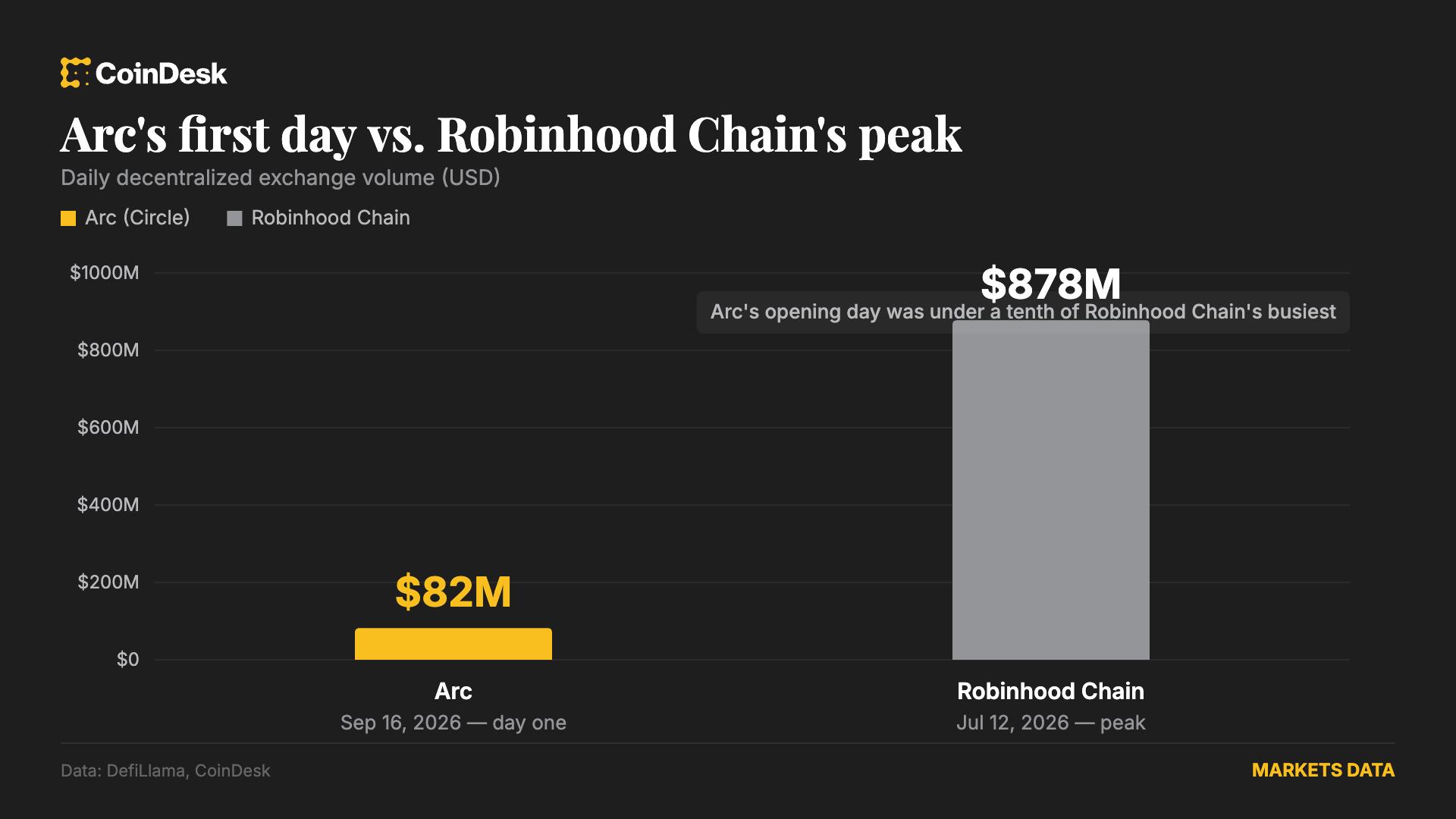
In March 2026, Circle’s institutional “Arc” blockchain—a platform marketed as a secure, scalable environment for high‑value financial applications—experienced exactly this phenomenon. Within hours of its public launch, a wave of meme tokens flooded the network, capturing the majority of transaction volume and community attention. The intended use cases for Arc—such as stablecoin settlement and enterprise‑grade smart contracts—were quickly eclipsed by speculative meme projects.
What this means for you
If you are looking to earn passive income or participate in a new blockchain’s ecosystem, a meme‑token takeover can pose several risks:
- Volatility spikes: Meme tokens often experience extreme price swings, which can affect the overall stability of the network.
- Reduced utility: When most developers focus on meme projects, the infrastructure and tooling needed for serious applications may lag behind.
- Liquidity traps: Providing liquidity to a meme token can lock up capital in a token that may lose value rapidly, making it hard to exit without significant loss.
- Reputation impact: A chain associated with meme hype may find it harder to attract institutional partners or regulatory approval.
How to evaluate a new blockchain before diving in
- Check the token distribution model: Platforms that allocate a large share of block rewards to token creators may be more prone to spam.
- Assess developer activity: Look for open‑source repositories, active GitHub commits, and a roadmap that emphasizes real‑world use cases.
- Review community composition: A healthy mix of developers, enterprises, and long‑term investors usually signals balanced growth.
- Examine fee structures: Chains that charge higher fees for low‑utility transactions can deter frivolous token launches.
- Consider liquidity sources: If most liquidity comes from a handful of meme tokens, the ecosystem may be fragile.
FAQ
Why do meme tokens appear so quickly on new chains?
Creating a token typically requires only a few lines of code and a small amount of gas (transaction fee). Because the cost is low and the potential for viral profit is high, many users launch meme tokens to capitalize on early‑adopter hype.
Can a meme‑token takeover be reversed?
It is possible if the platform’s governance introduces stricter token‑creation rules, higher fees for low‑utility contracts, or incentives that favor genuine applications. However, such changes often require community consensus and can be slow to implement.
Should I avoid all new blockchains because of this risk?
Not necessarily. Evaluate each project on its own merits using the criteria above. Some chains successfully attract serious developers despite initial meme activity.
Is it ever profitable to provide liquidity for meme tokens?
Short‑term profits can occur if a meme token experiences a rapid price surge, but the risk of a sudden collapse is high. Only allocate capital you can afford to lose, and consider diversifying across more stable assets.
This article references reporting from coindesk.com.