
Ever wonder whether you can safely earn money by betting on future events? This article explains how prediction markets work, why regulators intervene, and what you should consider before participating.
The plain explanation
A prediction market is a platform where participants buy and sell contracts that pay out based on the outcome of a specific event, such as an election result or a sports game. Each contract’s price reflects the collective belief of the market about the probability of that event happening. For example, a contract priced at $0.70 for a “yes” outcome implies a 70 % perceived chance of that outcome.
Technical terms:
- Contract: A digital token that pays a fixed amount if a predefined condition is met.
- Liquidity: The amount of money available for buying and selling contracts; higher liquidity usually means tighter price spreads and easier entry or exit.
- Inside information: Non‑public data that could give a trader an unfair advantage in predicting an outcome.
- Regulation: Legal rules that govern how prediction markets may operate, often aimed at preventing fraud, market manipulation, or unethical betting.
Prediction markets can be used for genuine forecasting, research, or entertainment, but they also raise concerns when the subject matter involves violent or illegal activities. Regulators may step in to ban or limit certain types of contracts to protect public policy and prevent profit from harmful events.
A real example
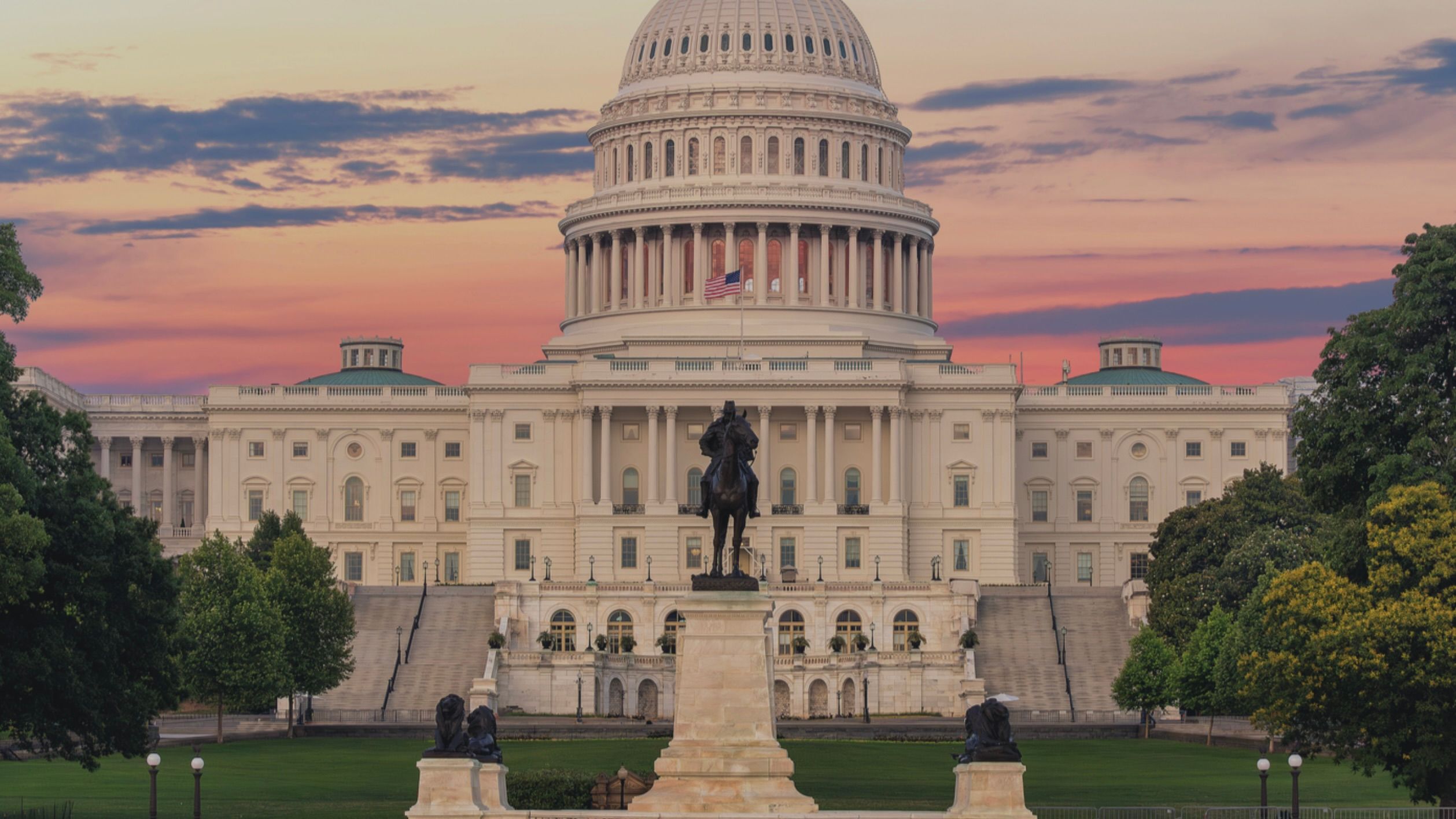
In March 2026, the U.S. Senate passed a bill that bans bets on war, assassinations, and military operations. The legislation was motivated by cases where traders allegedly profited from inside information about covert operations. This move illustrates how governments can restrict prediction markets when the underlying events are deemed too sensitive or ethically problematic.
What it means for you
If you are looking for ways to earn passive income through prediction markets, the key takeaway is that not every market is open to the public. Contracts tied to political elections, sports, or economic indicators are generally permissible, while those involving violent conflict or illegal acts may be prohibited in many jurisdictions.
Regulatory changes can affect the availability of certain markets overnight. A platform that offered a war‑related contract today could be forced to remove it tomorrow, potentially impacting any open positions you hold.
What to check / how to judge
- Confirm the platform’s licensing status in your country. Licensed operators are more likely to comply with local regulations.
- Review the list of allowed contract categories. Reputable sites publish clear policies on prohibited topics.
- Assess liquidity and market depth. Thin markets can lead to large price swings and higher risk.
- Verify the source of information used by traders. Platforms that enforce strict KYC (Know Your Customer) and AML (Anti‑Money Laundering) checks reduce the chance of insider trading.
- Stay informed about legislative developments. New bills, like the one passed by the U.S. Senate, can quickly reshape what is permissible.
FAQ
Are prediction markets legal everywhere?
No. Legality varies by country and sometimes by state or province. Some jurisdictions allow only specific categories, such as sports or financial outcomes, while others ban all forms of betting on future events.
Can I lose all my money on a prediction market?
Yes. If the contract you purchase does not pay out, the amount you spent on it is lost. Because contracts are binary (pay or no‑pay), the risk of total loss is inherent.
How does regulation protect me as a participant?
Regulation aims to prevent fraud, ensure market transparency, and block contracts that could incentivize harmful behavior. Licensed platforms must follow reporting standards and often provide dispute‑resolution mechanisms.
Is it possible to earn a steady passive income from prediction markets?
Prediction markets are generally high‑risk, short‑term speculation tools rather than stable income sources. While some traders use strategies like market making to generate modest returns, the volatility and regulatory risk mean earnings are far from guaranteed.
This article references reporting from coindesk.com.




