
Are you curious about how traditional stocks and bonds can exist on a blockchain, and what that means for earning passive income online? This article explains tokenized securities, how they are created and settled, and why unified standards are essential for a functional market.
What are tokenized securities?
Tokenized securities are digital representations of real‑world financial assets—such as shares, bonds, or real‑estate interests—issued on a blockchain. Each token is a cryptographic record that proves ownership of the underlying asset, similar to a paper certificate but stored on a distributed ledger.
The process typically involves three steps:
- Issuance: A trusted issuer (e.g., a company or a bank) creates a smart contract that defines the asset’s terms and mints a corresponding number of tokens.
- Trading: Holders buy and sell the tokens on compatible platforms. Because the tokens are on a blockchain, trades can settle in seconds rather than days.
- Settlement: When a trade completes, the blockchain updates the ownership record and, if required, transfers the payment—often in central‑bank money or a stablecoin—to the seller.
Key terms:
- Smart contract: Self‑executing code on a blockchain that enforces the rules of the token, such as transfer restrictions.
- Central‑bank money: Digital cash issued by a central bank, used for high‑value settlement because it carries the same safety as cash.
- Token standard: A set of technical specifications (for example, ERC‑20 on Ethereum) that defines how tokens behave and interact with wallets and exchanges.
Why common standards are needed
When every platform adopts its own token standard or settlement procedure, the market can fragment. A token created on one blockchain may not be recognized on another, and settlement mechanisms may require different forms of payment. This incompatibility prevents traders from moving assets freely, reduces liquidity, and can increase costs.
Uniform rules solve these problems by ensuring that:
- All participants speak the same “language,” so a token issued on one platform can be traded on any other compliant platform.
- Settlement can happen with a single, trusted form of money—often central‑bank money—reducing counter‑party risk.
- Regulators can apply consistent oversight, protecting investors and maintaining market integrity.
Real‑world illustration
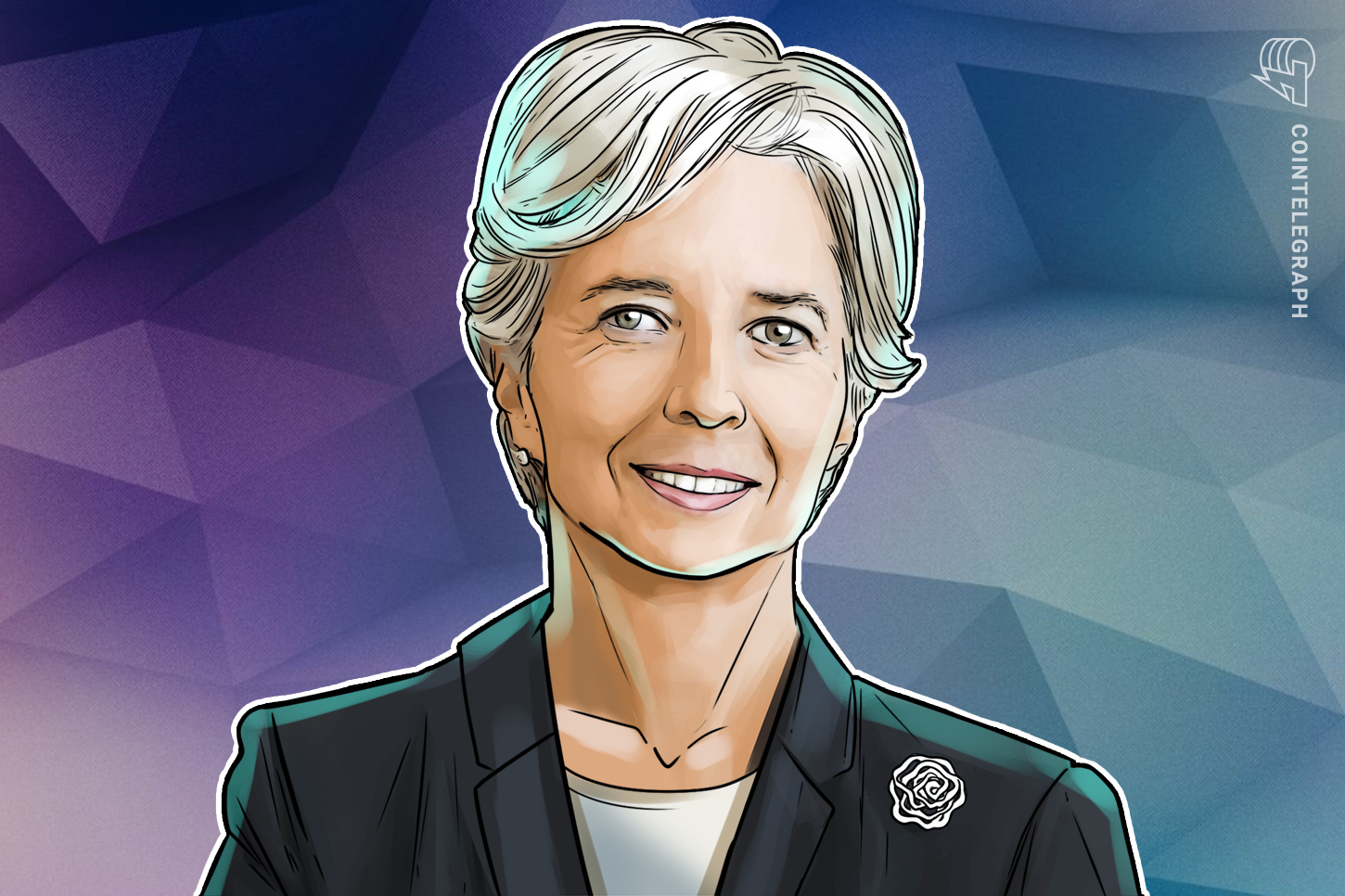
In November 2026, European Central Bank (ECB) President Christine Lagarde warned that Europe could miss the chance to unify tokenized markets. She explained at the Frankfurt European Banking Congress that without common rules, different platforms might be unable to settle trades with one another, creating a fragmented market. To address this, the Eurosystem launched the Pontes system in September 2026, allowing institutions to settle tokenized securities trades using central‑bank money. Later that month, the European Stability Mechanism used Pontes to settle a €1 billion digital bond, demonstrating a practical use case of a unified settlement layer.
What it means for you
If you are looking to earn passive income by holding tokenized securities—whether through dividend‑paying tokenized stocks or interest‑bearing tokenized bonds—the existence of common standards directly affects your experience. A unified market offers:
- Greater liquidity, meaning you can buy or sell tokens more easily.
- Lower transaction costs, because settlement can happen on a single, efficient platform.
- More confidence that your holdings are recognized across different exchanges and custodians.
Conversely, in a fragmented market you might need to move assets between multiple platforms, each with its own fees and technical requirements, which can erode returns.
What to check before participating
When evaluating a tokenized security or a platform that offers them, consider the following checklist:
- Standard compliance: Verify that the token follows a widely accepted standard (e.g., ERC‑20, ERC‑1400 for securities) and that the platform supports cross‑chain interoperability.
- Settlement method: Prefer platforms that settle in central‑bank money or regulated stablecoins, as they reduce counter‑party risk.
- Regulatory backing: Look for clear licensing or endorsement from a reputable regulator or central bank, similar to the ECB’s involvement with Pontes.
- Transparency: Ensure the issuer provides detailed documentation of the underlying asset, rights attached to the token, and audit reports.
- Liquidity metrics: Check trading volume and the number of market makers; higher liquidity usually means tighter spreads and easier entry/exit.
FAQ
What’s the difference between a tokenized security and a regular cryptocurrency?
A tokenized security represents a claim on a real‑world asset and is subject to securities regulations, whereas most cryptocurrencies are utility tokens that grant access to a network or service and are not tied to a specific underlying asset.
Do I need a special wallet to hold tokenized securities?
Yes, you need a wallet that supports the specific token standard used by the security. Many custodial platforms now offer built‑in support for common standards, making it easier for non‑technical users.
Can I earn passive income from tokenized securities?
Yes. Tokenized stocks may pay dividends, and tokenized bonds may generate interest payments, both of which can be received automatically through the blockchain’s smart contract.
Is investing in tokenized securities safe?
Safety depends on the issuer’s credibility, the platform’s compliance with regulations, and the robustness of the settlement infrastructure. Always perform due diligence and consider the risks of market volatility and regulatory changes.
This article references reporting from cointelegraph.com.




