Ever wonder why some crypto projects seem to thrive while others struggle to gain traction? This article explains how the broader public’s view of cryptocurrency influences its growth, regulation, and the chances you have to earn online.
What public perception actually means
Public perception is the collective opinion that ordinary people hold about a topic. In the case of cryptocurrency, it includes how voters, consumers, and non‑industry observers think about digital money, blockchain technology, and related earning methods such as staking or cloud mining. These opinions are formed by media coverage, personal experience, education, and the political climate. When a large share of the population sees crypto as risky or speculative, policymakers may introduce stricter rules, which can limit the services available to everyday earners. Conversely, a positive outlook can encourage governments to create supportive frameworks, making it easier for newcomers to participate.
How perception translates into real‑world effects
Three main pathways connect public sentiment to the crypto ecosystem:
- Regulatory response. Lawmakers often act on what their constituents tell them they care about. If voters express concerns about fraud or environmental impact, legislators may propose tighter licensing, anti‑money‑laundering (AML) requirements, or energy‑usage caps.
- Market confidence. Investors and users look to the broader mood when deciding whether to allocate capital. A bullish public mood can boost demand for tokens, raise prices, and increase the profitability of activities like staking or cloud rewards.
- Business decisions. Companies launching crypto products gauge public acceptance before committing resources. A favorable perception can lead to more partnerships, broader merchant adoption, and new earning channels for users.
Real example: Voter attitudes in April 2024
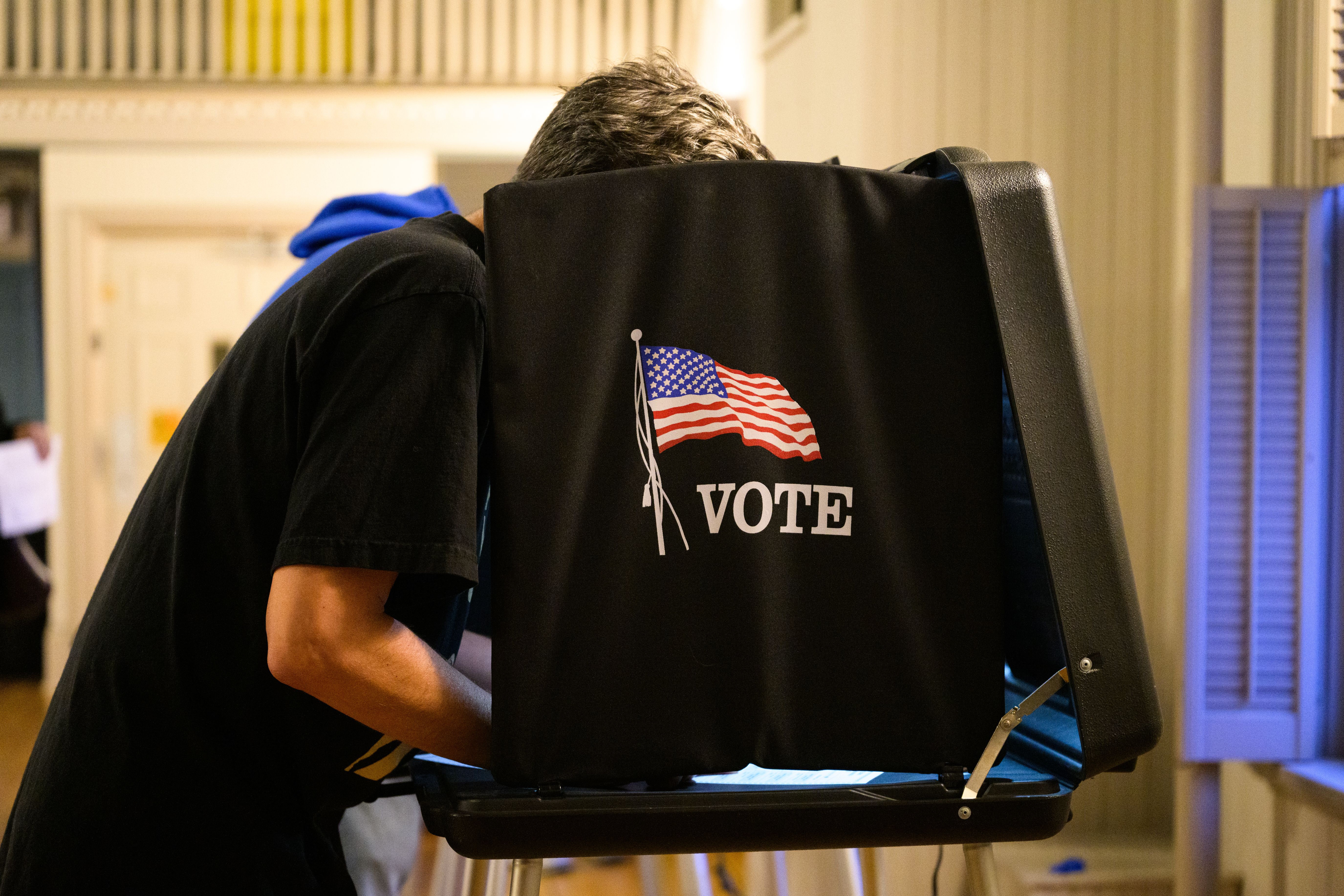
In April 2024, a poll commissioned by CoinDesk asked a cross‑section of voters—many of whom are not directly involved in the crypto sector—about their views on the industry. The survey revealed a mix of curiosity, skepticism, and concern about regulation. While a notable portion expressed interest in earning passive income through crypto, a similar share worried about fraud and environmental impact. This snapshot illustrates how divergent opinions can coexist and why policymakers receive mixed signals when shaping crypto legislation.
What it means for you as an online earner
If you are looking to generate passive income through staking, cloud mining, or other blockchain‑based rewards, public perception matters. Positive sentiment can lead to:
- More user‑friendly platforms that lower entry barriers.
- Clearer tax guidance, reducing the risk of unexpected liabilities.
- Potential incentives such as tax credits for green mining initiatives.
On the other hand, heightened skepticism may result in:
- Stricter KYC (Know‑Your‑Customer) and AML checks that add friction.
- Higher compliance costs for platforms, which can reduce reward rates.
- Limited access to certain services in jurisdictions with tough regulations.
What to check before you start earning
To navigate a landscape shaped by public opinion, consider these concrete steps:
- Regulatory climate. Look up the latest guidance from your country’s financial regulator. Even if the poll shows mixed feelings, the official stance will dictate what services are legally available.
- Platform transparency. Choose services that publish clear information about fees, reward calculations, and security measures. Transparency often correlates with higher trust among users.
- Environmental impact. If sustainability concerns influence public opinion in your region, consider platforms that use renewable energy or offer “green” mining options. This can also protect you from future policy changes.
- Community sentiment. Scan forums, social media, and user reviews to gauge how real users feel about a platform’s reliability and payout consistency.
- Risk management. Never allocate more capital than you can afford to lose. Public perception can shift quickly, affecting token prices and platform viability.
FAQ
Why does voter opinion affect crypto regulations?
Lawmakers are elected to represent the views of their constituents. When a significant portion of voters expresses concerns—such as about fraud or energy use—politicians are more likely to propose or support stricter rules to address those worries.
Can I still earn passive income if public sentiment is negative?
Yes, but you may face higher compliance hurdles and fewer platform choices. Look for services that prioritize security and transparency, and be prepared for possible changes in reward rates.
How can I tell if a platform is aligned with public concerns about the environment?
Check whether the platform publishes data on its energy sources, uses renewable‑energy‑powered mining farms, or offers carbon‑offset programs. Platforms that openly address sustainability are better positioned to adapt to future regulations.
What role does media coverage play in shaping public perception?
Media outlets amplify certain narratives—whether about price volatility, scams, or technological breakthroughs. Consuming a variety of sources helps you form a balanced view and avoid decisions based solely on sensational headlines.
This article references reporting from coindesk.com.