
Are you wondering why some cryptocurrencies appear on certain exchanges while others disappear, or why a wallet might suddenly become unusable? This article explains how international sanctions influence which digital assets can be listed on exchanges, how the process works, and what it means for everyday crypto earners.
What sanctions are and how they affect crypto listings
A sanction is a legal restriction imposed by a government or international body that prohibits certain activities with designated individuals, companies, or countries. In the crypto world, sanctions typically target entities that are believed to support illicit behavior, evade taxes, or threaten national security. When a person or firm is placed on a sanctions list, financial institutions—including crypto exchanges—are required to block transactions involving those parties.
For an exchange, complying with sanctions means:
- Screening users and counterparties: Checking wallet addresses, account holders, and transaction partners against official lists such as the U.S. Office of Foreign Assets Control (OFAC) list.
- Freezing or refusing assets: If a wallet is identified as belonging to a sanctioned entity, the exchange must freeze any associated funds and deny further transfers.
- Choosing which tokens to list: Some tokens are issued by companies that themselves are subject to sanctions. Listing those tokens could expose the exchange to legal risk, so many platforms avoid them.
Because crypto is borderless, sanctions can create a complex web of compliance requirements. Exchanges must balance the desire to offer popular assets with the need to stay on the right side of the law.
Real‑world illustration: Moscow Exchange’s December listing
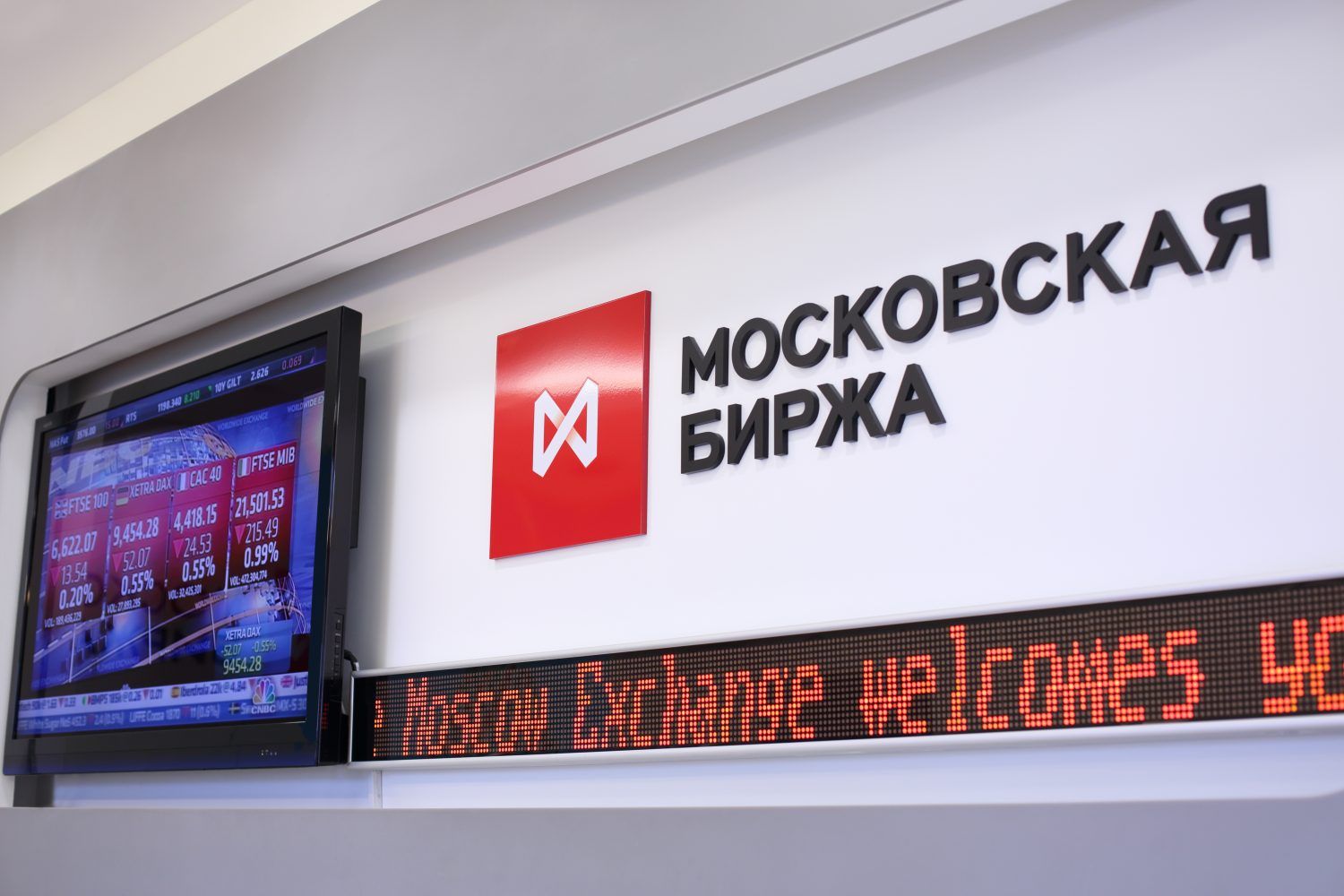
In December 2026, Russia’s primary stock exchange, the Moscow Exchange (MOEX), announced plans to list Bitcoin (BTC) and Tether’s stablecoin USDT. The move aims to bring back crypto trading that Russian users have been doing on foreign platforms. However, USDT is issued by Tether Ltd., a company that maintains a compliance program that freezes wallets appearing on the U.S. sanctions list. By listing USDT, MOEX signals that it will enforce those freezes on its own platform, aligning with both Russian regulatory goals and U.S. sanctions requirements.
What this means for you as a crypto earner
If you earn crypto through mining, staking, or cloud‑based rewards, you may eventually want to move those funds to an exchange for conversion or withdrawal. Understanding sanction compliance helps you avoid unexpected freezes:
- Know the exchange’s policy: Some platforms openly publish their sanctions‑screening procedures. If an exchange lists a token that is tied to a sanctioned issuer, your holdings in that token could be frozen if your wallet address matches a sanctioned party.
- Watch for jurisdictional risks: Exchanges operating under the laws of a particular country may be more aggressive in enforcing sanctions that align with that country’s foreign‑policy stance.
- Maintain diversified storage: Keeping a portion of your earnings in a non‑custodial wallet (where you control the private keys) reduces the chance that a third‑party platform will freeze your assets.
How to evaluate an exchange’s sanction compliance
- Check the compliance page: Reputable exchanges list the sanction lists they follow (e.g., OFAC, EU, UK). Look for clear statements about wallet freezes and transaction refusals.
- Review token listings: If an exchange lists tokens issued by companies known to enforce sanctions (like USDT), expect that the exchange will honor those freezes.
- Read user reviews and community feedback: Forums and social media often surface cases where users experienced freezes; these anecdotes can highlight how strictly an exchange enforces sanctions.
- Test with small amounts: Before moving large earnings, deposit a modest amount and attempt a withdrawal. This practical test can reveal any hidden compliance hurdles.
FAQ
Q: Will my crypto be frozen if I’m not on any sanctions list?
A: Generally no. Exchanges only freeze assets that are directly linked to a sanctioned address or entity. Ordinary users who are not listed should not see their funds blocked, but they must still comply with the exchange’s KYC (Know Your Customer) and AML (Anti‑Money Laundering) checks.
Q: Does using a stablecoin like USDT increase my risk of sanctions?
A: Stablecoins issued by companies that actively screen for sanctions can lead to freezes if your wallet is flagged. The risk is higher than with non‑sanction‑screening tokens, so consider keeping only the amount you need for short‑term transactions.
Q: Can I avoid sanctions compliance by staying on a decentralized exchange (DEX)?
A: Decentralized exchanges do not have a central authority to enforce freezes, but they also lack consumer protections. While a DEX may not block your transaction, regulators could still target the underlying smart contracts or the wallets involved.
Q: How do sanctions affect mining rewards?
A: Mining pools themselves are not usually subject to sanctions, but if they pay out in a token that is issued by a sanctioned entity, the payout could be frozen on any compliant exchange. Choosing pools that reward in non‑sanctioned assets can mitigate this risk.
This article references reporting from coindesk.com.





