
Are you curious about gaining exposure to cryptocurrencies without buying the tokens yourself? This article explains how spot crypto exchange‑traded funds (ETFs) operate, what they actually hold, and how you can evaluate them before investing.
The plain explanation
A spot crypto ETF is a type of investment fund that is listed on a traditional stock exchange and trades like a regular stock. Unlike futures‑based ETFs, which hold contracts that promise to buy or sell a cryptocurrency at a future date, a spot ETF owns the actual digital assets. The fund’s price therefore moves in line with the real‑time market price of the underlying coin, after accounting for the fund’s operating expenses.
When you buy shares of a spot crypto ETF, you are not directly purchasing the cryptocurrency. Instead, you own a proportional claim on the pool of tokens that the fund’s custodian holds. The custodian – often a regulated entity such as a bank or a specialized crypto‑custody provider – is responsible for securely storing the digital assets, typically using a combination of cold (offline) storage and multi‑signature wallets to protect against theft and loss.
The fund is managed by an investment adviser, which decides how many tokens to buy or sell in order to keep the fund’s holdings aligned with its investment objective. The adviser also handles administrative tasks, such as calculating the net asset value (NAV) – the total value of the fund’s assets divided by the number of outstanding shares – and reporting to regulators.
Because the ETF is listed on a regulated exchange, you can buy and sell shares through any brokerage that offers access to that market, just as you would with a stock or a traditional mutual fund. This provides several benefits for everyday investors:
- Convenient access: No need to set up a crypto wallet, manage private keys, or navigate a cryptocurrency exchange.
- Regulatory oversight: The fund must file regular reports with securities regulators, offering a higher level of transparency than many direct crypto holdings.
- Tax simplicity: In many jurisdictions, buying and selling ETF shares is treated like any other security, simplifying tax reporting compared with tracking individual token transactions.
A real example
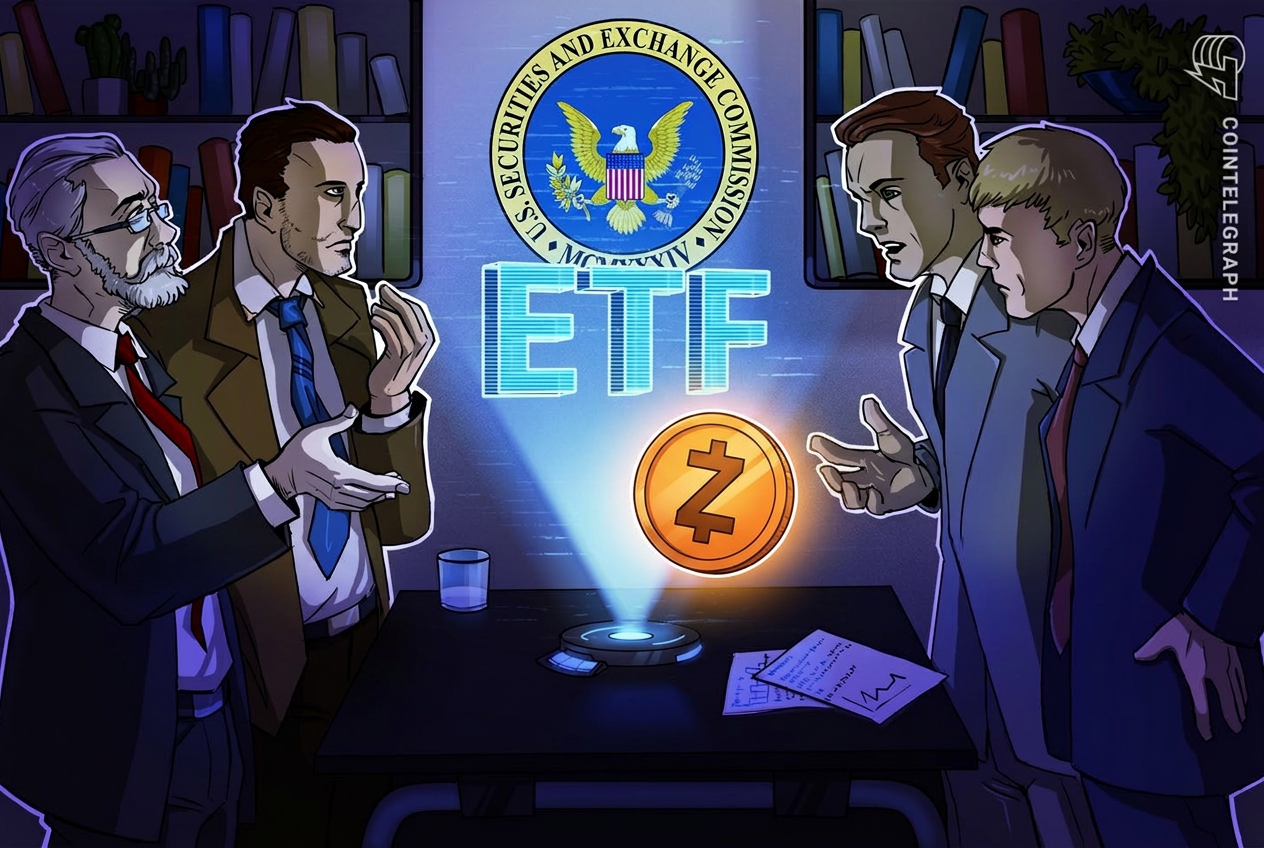
In November 2026, Bitwise Asset Management filed an S‑1 registration statement with the U.S. Securities and Exchange Commission (SEC) to list a spot Zcash ETF on the Texas Stock Exchange (TXSE). The proposed fund, which would trade under the ticker ZEC, plans to hold Zcash tokens directly and reflect their market value after deducting operating expenses and liabilities. Coinbase Custody is named as the custodian that would safeguard the fund’s ZEC holdings, while Bitwise Investment Advisers would serve as the manager and sponsor.
The filing indicates that the fund has not yet begun trading and that the registration statement is still pending SEC effectiveness. Nevertheless, it illustrates the typical structure of a spot crypto ETF: a regulated manager, a professional custodian, and a clear objective to track the price of a specific cryptocurrency.
What it means for you
If you want exposure to a cryptocurrency like Zcash, a spot ETF offers a way to participate without dealing with the technical aspects of owning the token. By purchasing ETF shares, you can benefit from price movements while relying on the fund’s custodial and compliance infrastructure.
However, remember that the ETF’s performance will be affected by more than just the price of the underlying coin. Management fees, custody costs, and any tracking error – the difference between the ETF’s price and the actual spot price of the crypto – can erode returns. Additionally, because the ETF is a security, it is subject to market‑hour trading and may experience price volatility unrelated to the cryptocurrency itself.
What to check / how to judge
- Custodian reputation: Verify that the custodian is a regulated institution with a strong track record in crypto security. Look for details on how the assets are stored (e.g., multi‑signature cold wallets).
- Management fees: Compare the annual expense ratio with other crypto investment products. Lower fees mean more of the fund’s returns stay in your pocket.
- Liquidity: Check the average daily trading volume of the ETF shares. Higher liquidity reduces the cost of buying or selling.
- Regulatory status: Ensure the fund’s registration statement has been declared effective by the SEC or the relevant securities regulator. This confirms that the ETF meets required disclosure and compliance standards.
- Tracking error: Review the fund’s historical NAV versus the spot price of the underlying cryptocurrency. Small tracking errors indicate efficient management.
FAQ
Do I own the cryptocurrency when I buy a spot crypto ETF?
No. You own shares of the fund, which in turn holds the cryptocurrency on your behalf. The custodian retains legal ownership of the tokens.
How are taxes handled for ETF shares?
In most jurisdictions, buying and selling ETF shares is treated like any other security transaction. You will report capital gains or losses on the sale of shares, without needing to track each token movement.
Can I lose my investment if the custodian is hacked?
While custodians use robust security measures, there is always some risk. Look for funds that have insurance coverage or third‑party audits to mitigate this risk.
Is a spot crypto ETF safer than buying the token directly?
Safety depends on the custodian’s security practices and the fund’s regulatory oversight. For many investors, the added layer of regulation and professional custody makes a spot ETF a less hands‑on and potentially safer option than self‑custody.
This article references reporting from cointelegraph.com.





