
Are you wondering how you can turn dollars into a stablecoin like USDC and back again without a hassle? This article explains the mechanics behind stablecoin on‑ramps (buying) and off‑ramps (redeeming), the role of banks and custodians, and what you should consider before using these services.
The plain explanation
A stablecoin is a type of cryptocurrency that aims to keep its price stable, usually by being backed 1:1 with a fiat currency such as the US dollar. USDC, for example, is issued by the company Circle and claims that each token is fully backed by a dollar held in reserve.
To move money between traditional bank accounts and a stablecoin you need two processes:
- On‑ramp (buying): You send fiat money (e.g., USD) to a trusted entity. That entity verifies the funds, locks the corresponding amount in a reserve account, and then mints (creates) an equivalent amount of stablecoins, which are sent to your blockchain wallet.
- Off‑ramp (redeeming): You send stablecoins back to the trusted entity. The entity burns (destroys) the tokens, releases the matching fiat from its reserve, and transfers the cash to your bank account.
The trusted entity can be a crypto‑exchange, a specialized payment provider, or a traditional bank that has partnered with a stablecoin issuer. Because the process involves both blockchain transactions and conventional banking, compliance steps such as Know‑Your‑Customer (KYC) checks and anti‑money‑laundering (AML) monitoring are required.
A real example
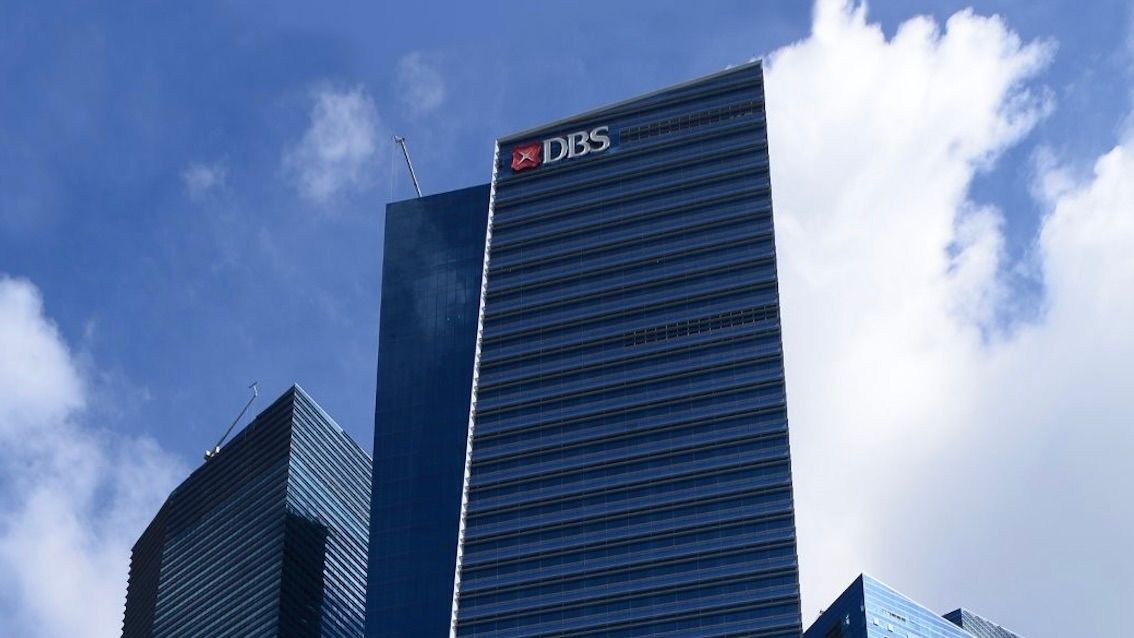
In March 2026, Circle announced a partnership with DBS Bank in Singapore that lets institutional clients buy and redeem USDC directly through the bank’s platform. This arrangement gives large traders a familiar banking interface for accessing USDC, while DBS gains a foothold in the growing market for blockchain‑based payment solutions across Asia.
What it means for you
If you are an individual or a small business looking to earn passive income through crypto‑related activities, a reliable on‑ and off‑ramp is essential. Direct bank integration can reduce the number of steps you need to take, lower transaction fees, and provide faster settlement times compared with using a separate exchange.
However, the availability of bank‑backed ramps varies by region and by the type of client. Institutional‑only solutions, like the Circle‑DBS link, may not be open to retail users. For everyday earners, you may still need to rely on crypto‑exchanges that support USDC deposits and withdrawals, or on third‑party payment providers that bridge fiat and blockchain.
What to check / how to judge
- Regulatory compliance: Verify that the provider is registered with relevant financial authorities and follows KYC/AML rules. This reduces the risk of sudden service shutdowns.
- Reserve transparency: Look for regular attestations or audits that confirm the stablecoin issuer holds enough fiat to back all outstanding tokens.
- Fees and speed: Compare the cost of buying and redeeming, as well as the expected settlement time. Bank‑linked ramps may charge higher fees but offer quicker fiat delivery.
- Custody options: Decide whether you want the stablecoins held in a custodial wallet (managed by the provider) or in a non‑custodial wallet you control. Custodial solutions simplify redemption but give the provider control over your private keys.
- Geographic coverage: Ensure the service supports your local currency and banking partners. Some ramps only work with specific banks or regions.
FAQ
Can I use a bank’s stablecoin service as an individual?
Most bank‑partnered ramps are currently aimed at institutional clients, but some banks are beginning to offer retail‑friendly products. Check the provider’s client eligibility criteria before signing up.
Is buying USDC through a bank safer than using an exchange?
Both options are safe when the provider is properly regulated and conducts regular audits. A bank may add an extra layer of trust due to its established compliance framework, but it can also impose stricter limits and higher fees.
What happens if the stablecoin issuer runs out of reserves?
Stablecoins are supposed to be fully backed, and reputable issuers publish attestations to prove this. If an issuer fails to maintain reserves, the token could lose its peg, leading to a loss of value. Always use tokens with transparent, third‑party audits.
Do I need a separate crypto wallet to hold USDC?
Yes, unless you keep the tokens in a custodial account provided by the on‑ramp service. A non‑custodial wallet gives you full control over your private keys, which is important for security and for moving tokens to other platforms.
This article references reporting from coindesk.com.





