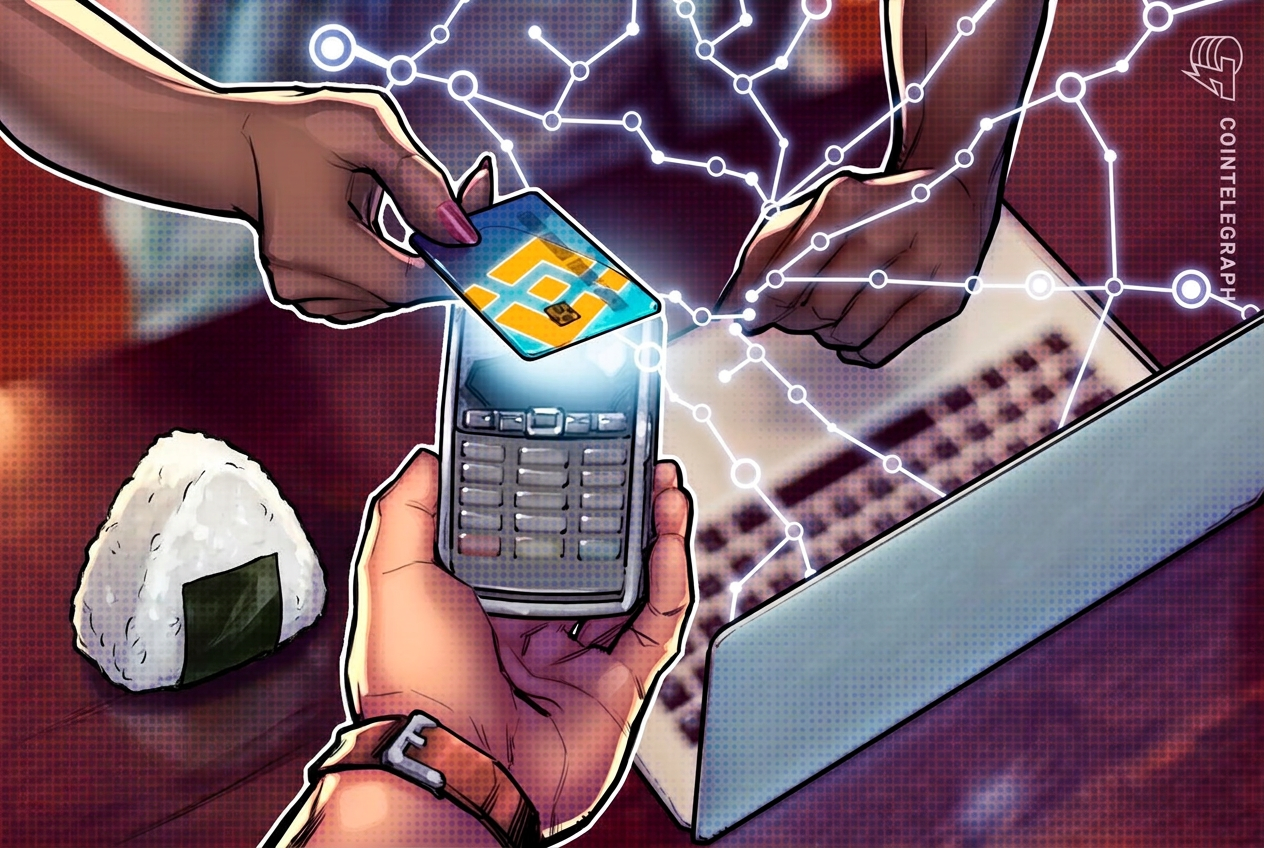
Ever wondered how you can use a cryptocurrency like USDT to pay for coffee, a taxi, or a souvenir while traveling abroad? This article explains the mechanics behind stablecoin payments, how QR‑code based cashless systems convert crypto into local currency, and what you need to know before trying it yourself.
What is a stablecoin and how does it enable everyday purchases?
A stablecoin is a type of cryptocurrency that is pegged to a stable asset, most commonly a fiat currency such as the US dollar. The most widely used stablecoin is Tether (USDT), which aims to maintain a 1:1 value with the US dollar. Because its price does not swing wildly like Bitcoin or Ethereum, a stablecoin can act as a digital cash equivalent.
When you use a stablecoin to buy something, the merchant does not have to accept the crypto directly. Instead, a payment gateway converts the stablecoin into the local fiat currency at the point of sale. The conversion is usually done at a market rate that is very close to the peg, so the amount the merchant receives in yen, euros, or any other currency is predictable.
Key terms:
- Stablecoin: A cryptocurrency designed to keep a stable value, typically by being backed by reserves.
- Payment gateway: A service that processes the transaction, handles the conversion, and settles the final amount with the merchant.
- QR code payment: A method where the shopper scans a two‑dimensional barcode displayed by the merchant, sending payment data to the gateway.
- Interoperability framework: A technical layer that lets different payment services (including crypto wallets) communicate with a local cashless network.
Real‑world example: Binance Pay and Japan’s PayPay network
In September 2026, Binance Pay announced that overseas visitors could spend USDT at most merchants that accept PayPay, Japan’s dominant QR‑code cashless payment platform. The service runs through HIVEX, an interoperability framework that links foreign QR payment services to PayPay‑supported merchants. While the shopper pays with USDT, the merchant still receives settlement in yen, with no separate opt‑in required.
This arrangement illustrates how a stablecoin can be used for everyday purchases without the merchant needing to manage crypto wallets or worry about price volatility.
What this means for you as a traveler or online earner
If you earn crypto rewards—whether through mining, staking, or cloud mining platforms—and plan to spend that income while traveling, stablecoin payment options give you a convenient bridge to local economies. You can keep your earnings in a stablecoin to avoid conversion fees at an exchange, then pay directly at thousands of merchants that accept QR codes.
Using a stablecoin also reduces the need to carry large amounts of cash or rely on foreign‑exchange kiosks, which often charge high fees. However, you still need a compatible wallet app (such as Binance Pay) and a stable internet connection to generate the QR code for each transaction.
How to evaluate a crypto payment option
- Supported currencies: Verify that the stablecoin you hold (e.g., USDT) is accepted by the payment gateway.
- Conversion rate and fees: Check the exchange rate used for converting the stablecoin to local fiat and any transaction fees charged by the gateway.
- Merchant coverage: Look for a network that includes a broad range of merchants—retail, dining, transportation—to ensure you can actually use the service.
- Regulatory compliance: Ensure the service complies with local anti‑money‑laundering (AML) and know‑your‑customer (KYC) rules, which can affect your ability to use it abroad.
- Security: Use wallets with strong authentication (e.g., biometric or hardware‑based) and keep your private keys offline when not needed.
FAQ
Can I use any stablecoin for QR payments?
Not all stablecoins are supported. Each payment gateway decides which tokens it accepts. USDT is widely recognized, but you should confirm the specific list before traveling.
Do merchants receive the exact amount in yen that I intend to pay?
Yes, the payment gateway converts the stablecoin at the prevailing market rate and settles the transaction in yen. Minor rounding differences may occur, but the amount is generally accurate.
What happens if the stablecoin’s peg breaks?
In the unlikely event that USDT loses its 1:1 peg, the conversion rate used by the gateway will reflect the market price at that moment. This could result in a slightly higher or lower yen amount for the merchant and a different cost for you.
Are there any tax implications for using stablecoins abroad?
Using stablecoins for purchases can still be a taxable event in many jurisdictions, as the conversion from crypto to fiat may be considered a disposal. Consult a tax professional familiar with crypto regulations in your home country.
This article references reporting from cointelegraph.com.