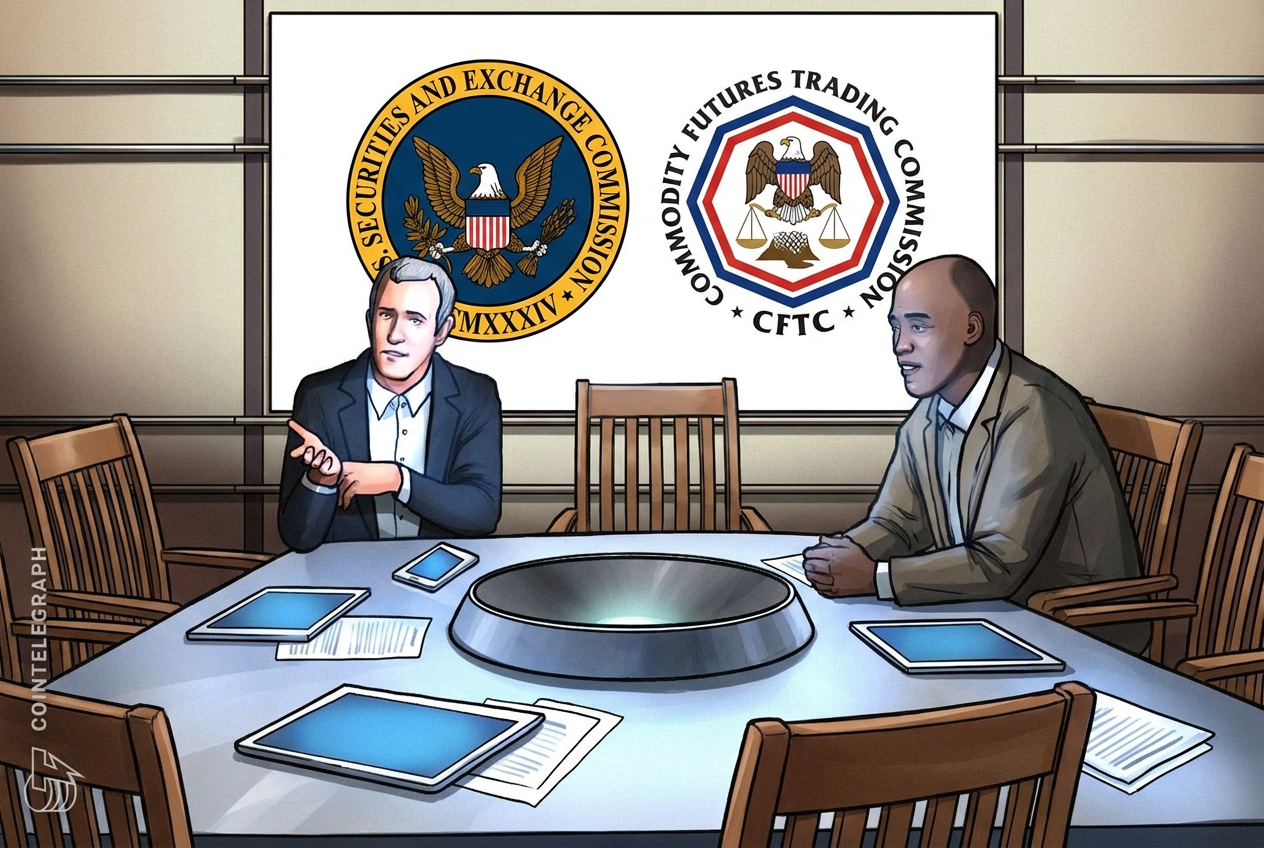
Are you wondering how changes in the leadership of U.S. financial regulators affect the rules that govern crypto projects and the ways you can earn online? This article explains the structure of crypto oversight in the United States, how rulemaking continues when commissioner seats are vacant, and what that means for anyone looking to participate in the digital‑asset economy.
What the regulatory framework looks like
The two primary U.S. agencies that oversee digital assets are the Securities and Exchange Commission (SEC) and the Commodity Futures Trading Commission (CFTC). The SEC focuses on securities‑type tokens, initial coin offerings (ICOs), and tokenized securities, applying the same standards it uses for stocks and bonds. The CFTC, by contrast, regulates commodities‑type tokens and derivatives, such as futures contracts that reference Bitcoin or other cryptocurrencies.
Both agencies are run by a commission of appointed members. By law, each commission must be bipartisan: no more than a simple majority may belong to the same political party. Commissioners are nominated by the President and confirmed by the Senate. Their terms are staggered so that a change in administration does not instantly overturn the entire board.
When a commissioner resigns or a seat is otherwise vacant, the agency does not shut down. Existing commissioners continue to vote, and the remaining members can still issue guidance, propose rules, and enforce existing regulations. However, a smaller board can slow down decision‑making, limit the range of viewpoints considered, and affect the political balance that influences how aggressively an agency pursues certain policies.
Real‑world illustration
In September 2026, the SEC and the CFTC each found themselves with only three active commissioners after the resignation of SEC commissioner Hester Peirce and the departure of the CFTC’s acting chair Caroline Pham. The SEC’s remaining members were Chair Paul Atkins and Mark Uyeda, both Republicans, while the CFTC was led solely by Chair Michael Selig. This marked only the second time in U.S. history that the SEC operated with fewer than the usual five commissioners.
What this means for you
For participants in crypto earning, staking, or cloud‑reward platforms, leadership gaps can create uncertainty in two main areas:
- Rulemaking speed. With fewer commissioners, the agencies may take longer to finalize new rules or update existing guidance. Projects waiting for regulatory clarity—such as those seeking to launch tokenized stocks or DeFi lending services—might experience delays.
- Interpretation of existing law. In the absence of new legislation, the SEC and CFTC rely on staff guidance and interpretive releases. A smaller, potentially less diverse commission can tilt those interpretations toward the prevailing political view, influencing how strictly certain activities are policed.
In practice, this could affect the timing of when a new token sale can launch, whether a staking pool is classified as a security, or how a cloud‑mining service reports its earnings. While the agencies remain “more than equipped” to oversee their portions of the market, the pace and direction of regulatory change may shift.
How to evaluate regulatory risk
When assessing a crypto earning opportunity, consider these concrete steps:
- Check the latest agency guidance. Both the SEC and CFTC publish staff letters, no‑action letters, and interpretive releases on their websites. These documents reveal how the agencies currently view specific token structures.
- Monitor commissioner appointments. New nominees can change the policy outlook. Follow Senate confirmation news to gauge whether upcoming commissioners are likely to be more permissive or restrictive.
- Look for industry consensus. Legal analyses from reputable law firms often summarize how current rules apply to a given business model. Consensus among multiple firms adds confidence.
- Assess compliance infrastructure. Platforms that maintain robust KYC/AML procedures, transparent reporting, and clear token classification are better positioned to adapt to regulatory shifts.
FAQ
Why do vacant commissioner seats matter if the agencies can still function?
Even though remaining commissioners can continue work, a full panel provides a broader range of opinions and can prevent deadlock. Vacancies may slow rulemaking and shift the political balance, influencing how aggressively the agency enforces existing rules.
Can a regulator change the classification of a token overnight?
No. Reclassifying a token typically requires a formal rulemaking process, which includes public comment periods and multiple votes. However, staff guidance can signal a shift in interpretation that affects how the market operates.
What is the Digital Asset Clarity (CLARITY) Act and why does it matter?
The CLARITY Act was a proposed bill that would have given the CFTC explicit authority over many digital assets currently overseen by the SEC, creating a clearer jurisdictional split. Its failure to pass means the agencies continue to interpret existing securities and commodities laws, leading to overlapping and sometimes conflicting guidance.
Should I pause my crypto earning activities until the commissions are back to full strength?
Not necessarily. Most platforms continue operating under existing regulations. The key is to stay informed about any new guidance and ensure the service you use maintains compliance practices that can adapt to regulatory updates.
This article references reporting from cointelegraph.com.