Are you a small business owner wondering how a digital euro could affect your point‑of‑sale system? This article explains what a central bank digital currency (CBDC) pilot is, how merchants can take part, and what practical steps you should consider if you want to stay ahead of the curve.
What a Digital Euro Pilot Actually Is
A digital euro is a form of electronic money issued directly by the European Central Bank (ECB). Unlike a cryptocurrency, it is a central bank digital currency (CBDC), meaning it is a liability of the central bank and is backed 1‑to‑1 by the euro itself. The goal is to provide a safe, instantly transferable digital cash that works alongside cash and bank deposits.
A pilot is a limited‑time test in which a small group of banks, payment providers, and merchants experiment with the technology. Participants use a sandbox environment that mimics real‑world transactions but isolates any technical or regulatory risks. The pilot gathers data on user experience, security, scalability, and the impact on existing payment infrastructure.
Key technical components include a digital wallet (software that stores the digital euro), a payment gateway that connects the wallet to merchants’ point‑of‑sale (POS) systems, and a distributed ledger or other ledger technology that records transactions. The ECB sets the rules for privacy, anti‑money‑laundering (AML) checks, and consumer protection, while private firms handle the user‑facing services.
Real‑World Example
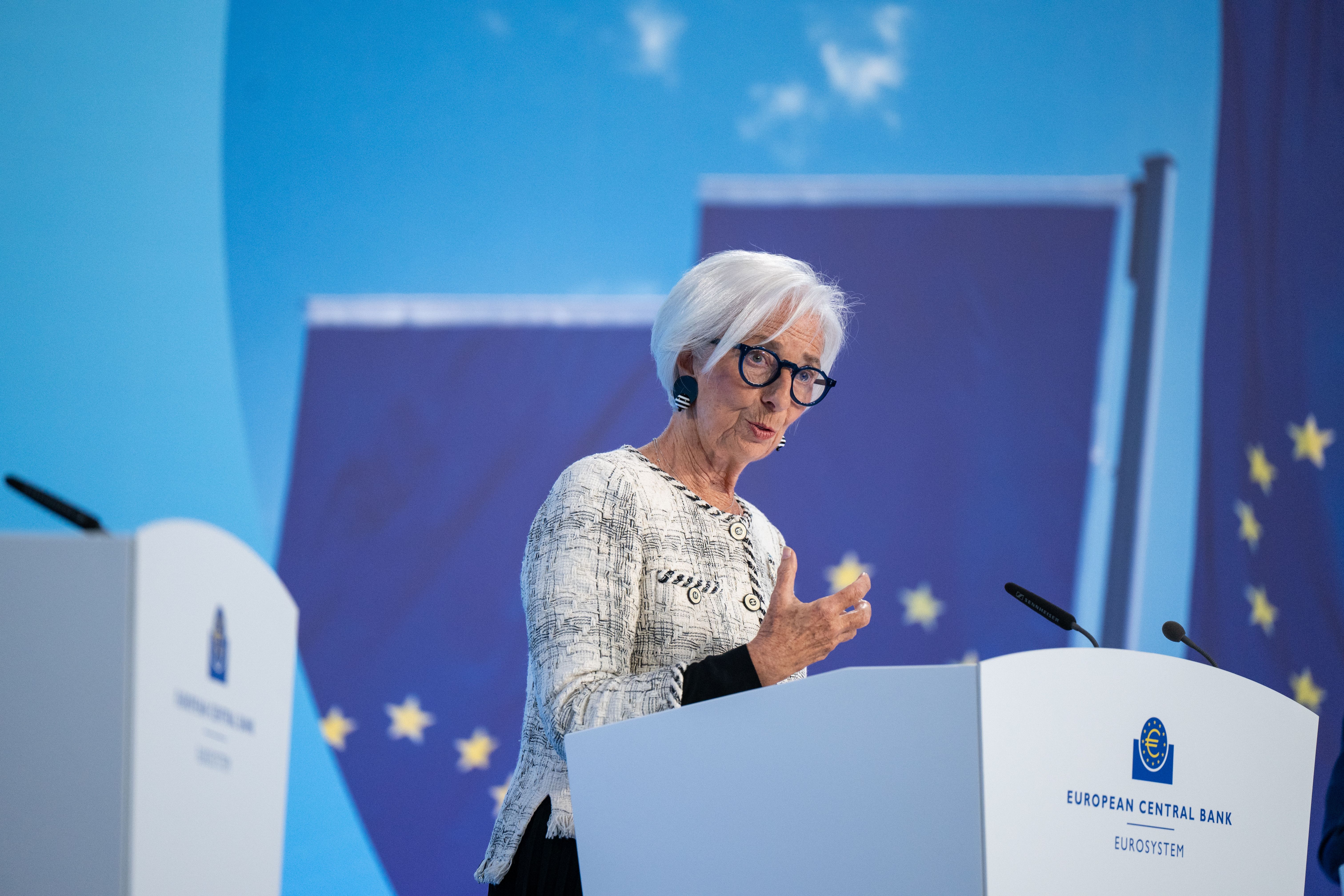
In March 2026, the European Central Bank issued a public call for merchants to join its digital euro pilot. The invitation targeted retailers, online shops, and service providers across the eurozone, asking them to integrate the pilot’s payment gateway and test transactions with the digital euro. This move illustrated how the ECB is moving from research to real‑world testing, seeking feedback from everyday businesses.
What It Means for You
If you run a shop or an e‑commerce site, the pilot could affect you in three main ways:
- New payment option: Offering the digital euro may attract customers who prefer a state‑backed digital cash alternative to credit cards or private stablecoins.
- Technical integration: You will need to connect your POS or checkout software to the pilot’s payment gateway, which may involve installing a plugin or updating your payment processor.
- Regulatory awareness: Participation requires compliance with AML and know‑your‑customer (KYC) rules specific to the CBDC, even though the digital euro itself is designed to preserve user privacy.
Even if you do not join the pilot, the experience of early adopters will shape the final design of the digital euro, influencing fees, settlement times, and the level of anonymity offered. Staying informed helps you decide whether to adopt the technology when it becomes widely available.
How to Evaluate a CBDC Pilot
Before committing time and resources, consider these checkpoints:
- Technical compatibility: Verify that your existing payment stack can integrate with the pilot’s API or SDK. Look for documentation on supported languages and platforms.
- Cost structure: Understand any fees for transaction processing, wallet provisioning, or support services during the pilot.
- Data privacy: Review how transaction data is stored and who can access it. The ECB aims to limit personal data exposure, but third‑party providers may have their own policies.
- Customer demand: Survey your clientele to gauge interest in a digital euro payment option. Early adoption is most valuable when there is clear demand.
- Regulatory fit: Ensure you can meet any additional AML/KYC obligations that the pilot may impose, such as reporting thresholds or identity verification steps.
FAQ
What is the difference between a digital euro and a cryptocurrency?
A digital euro is issued by the ECB and carries the same legal tender status as cash, while cryptocurrencies are typically created by private entities and do not have official backing.
Do I need a special device to accept the digital euro?
No special hardware is required. Acceptance is handled through software that connects your existing POS or online checkout to the digital euro payment gateway.
Will using the digital euro be more expensive than traditional card payments?
The pilot’s fee structure is still being evaluated. The ECB aims for low‑cost transactions, but private service providers may charge modest fees for integration and support.
Is my customers’ privacy protected?
The ECB designs the digital euro to limit personal data collection, but the exact level of anonymity depends on the implementation chosen by the payment service provider you work with.
This article references reporting from coindesk.com.