
Are you worried that a hack could wipe out the crypto you hold on an exchange? This article explains how exchange security works, what the most common vulnerabilities are, and what you can do to keep your funds safe.
The plain explanation
A cryptocurrency exchange is a platform that lets you buy, sell, and store digital assets. To do this, an exchange must hold large amounts of crypto in its wallets and manage users’ private keys—the secret codes that unlock those assets. Because the exchange controls the keys, users trust the platform to keep them secure.
Security for an exchange involves several layers:
- Cold storage. This means keeping the majority of funds offline, in hardware wallets or paper wallets that are never connected to the internet. Cold storage is immune to remote hacking.
- Hot wallets. A small portion of assets stays online to enable instant withdrawals and trading. Hot wallets are the most vulnerable part of the system.
- Multi‑signature (multisig) wallets. These require multiple private keys to approve a transaction, spreading control across different parties or devices.
- Encryption and access controls. Data at rest and in transit is encrypted, and only authorized staff can access critical systems, often through hardware security modules (HSMs).
- Monitoring and anomaly detection. Exchanges use real‑time alerts to spot unusual activity, such as large transfers or logins from unfamiliar locations.
- Regulatory compliance. Some jurisdictions require audits, capital reserves, and insurance to protect users if a breach occurs.
Even with these measures, exchanges can still be compromised. Attackers may exploit software bugs, social engineering, insider threats, or supply‑chain vulnerabilities. When a breach happens, the loss is usually borne by the exchange’s users, unless the platform has insurance or a compensation fund.
A real example
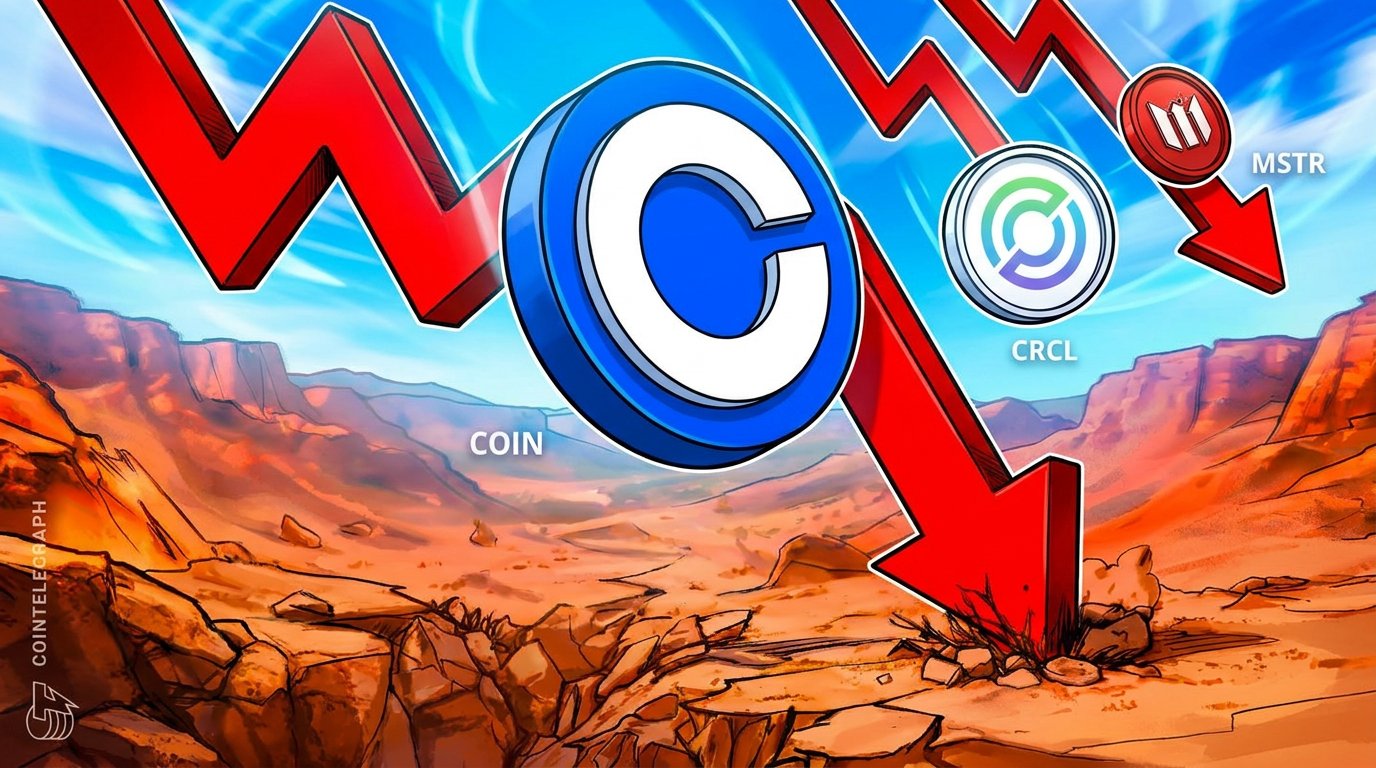
In October 2026, Binance disclosed a security breach that resulted in the theft of approximately $6.3 billion, the largest cryptocurrency theft on record. The following day, publicly traded crypto companies saw sharp stock declines: Coinbase fell more than 13%, Circle dropped over 9%, and other firms such as IREN and Figure Technology Solutions each lost around 9‑10% of their market value. The hack highlighted how a single exchange failure can ripple through the broader ecosystem, affecting both investors and users.
What it means for you
If you keep crypto on an exchange, you are exposed to the same risks that led to the Binance breach. A successful attack can result in permanent loss of your holdings, and the market reaction can affect the value of any related stocks or tokens you own. Understanding the security posture of the platform you use helps you decide how much of your portfolio to keep there versus in a personal wallet.
What to check / how to judge
- Cold‑storage ratio. Look for public statements or audit reports that detail what percentage of funds are kept offline.
- Multisig and threshold signatures. Verify whether the exchange uses multisig wallets for large withdrawals.
- Security audits. Reputable exchanges publish third‑party audit results or bug‑bounty program details.
- Insurance coverage. Some platforms maintain policies that cover theft of digital assets; understand the limits and conditions.
- Regulatory licensing. Exchanges operating under strict financial regulators often face higher compliance standards.
- History of incidents. Review past security incidents and how the exchange responded—prompt refunds and transparent communication are good signs.
- Two‑factor authentication (2FA) and withdrawal whitelists. Enable all available security features on your account.
FAQ
What is the difference between a hot wallet and a cold wallet?
A hot wallet is connected to the internet and used for daily transactions, making it convenient but more vulnerable to hacks. A cold wallet is offline, stored on hardware devices or paper, and is far less likely to be compromised.
Can I trust an exchange that has never been hacked?
Absence of a public breach does not guarantee safety. Evaluate the exchange’s security practices, audits, and insurance rather than relying solely on its track record.
Should I move all my crypto off exchanges?
Keeping a portion of your holdings in a personal, non‑custodial wallet gives you full control over your private keys. Many users keep only the amount needed for trading on an exchange and store the rest in cold storage.
What should I do if I suspect my account was compromised?
Immediately enable any additional security features, such as 2FA, and contact the exchange’s support. If you notice unauthorized withdrawals, report the incident to the platform and consider filing a police report.
This article references reporting from cointelegraph.com.





