Wondering why some crypto projects thrive while others disappear overnight? This article explains the key factors that determine a project’s financial health and how you can assess whether a protocol is likely to survive the ups and downs of the market.
What “project sustainability” actually means
In the crypto world, a project’s sustainability refers to its ability to continue operating and delivering value over the long term. Unlike traditional businesses, many blockchain projects rely on token sales, venture funding, and network effects rather than steady revenue streams. When a project cannot cover its operating costs—such as developer salaries, server expenses, and security audits—it may be forced to shut down, pause development, or drastically change its model.
Key terms you’ll hear:
- Product‑market fit: The degree to which a project’s offering meets a real demand from users. Without enough users, revenue from fees or subscriptions stays low.
- Token economics (or “tokenomics”): The design of a project’s native token, including how it is minted, distributed, and used to incentivize participants. Poor tokenomics can lead to price volatility and insufficient funds for development.
- Revenue model: The way a project generates income, such as transaction fees, subscription fees, or staking rewards. A clear, sustainable revenue model is essential for covering ongoing costs.
- Funding runway: The amount of capital a project has left before it must become cash‑flow positive or secure additional funding.
Real‑world illustration
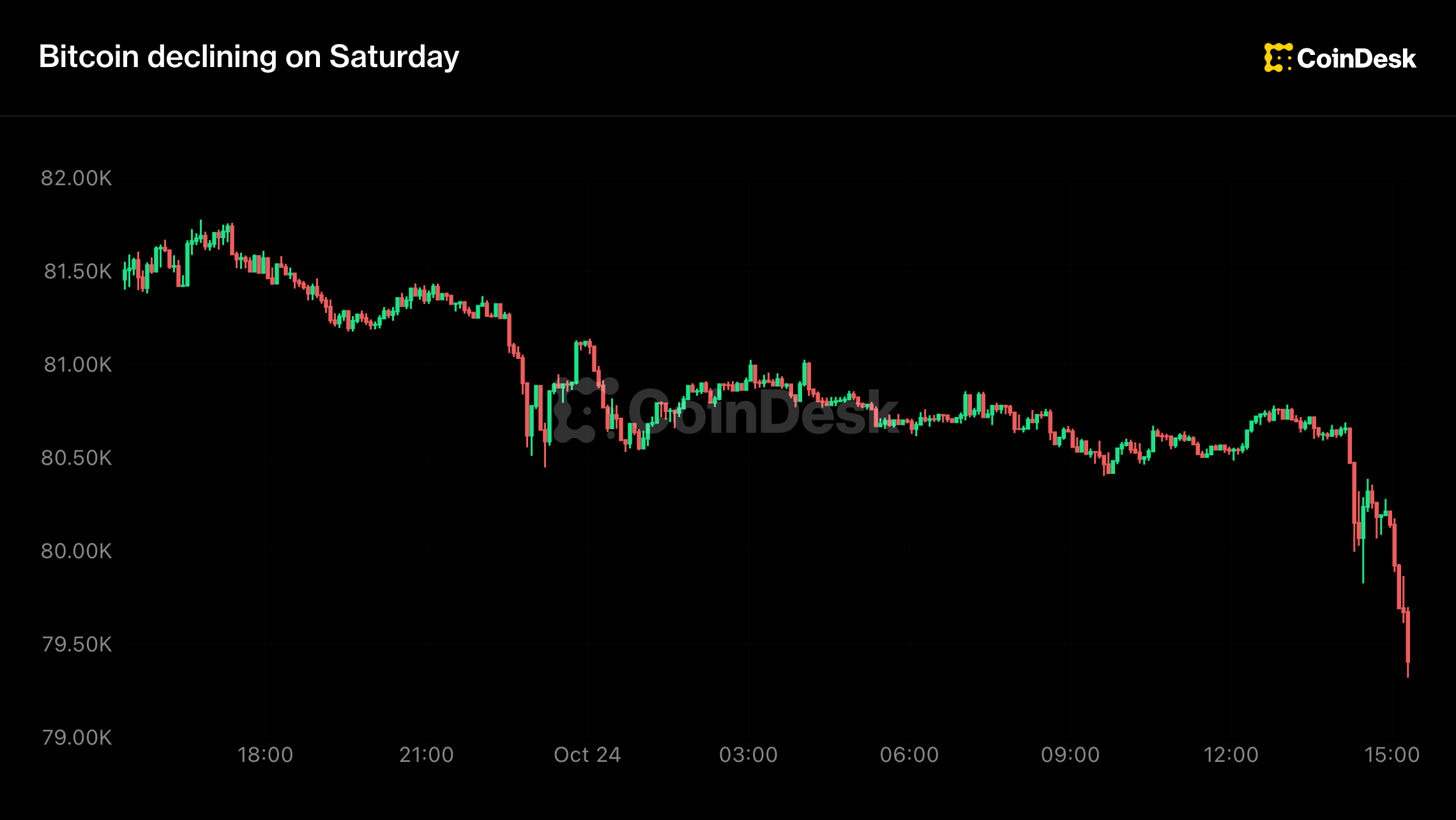
In October 2026, crypto researcher Stacy Muur identified 82 digital‑asset projects that had shut down that year. The list included well‑known names such as Balancer, Radiant Capital, Neon EVM, and Step Finance. Many of these closures followed a prolonged bear market that saw Bitcoin fall from its October 2025 peak of over $126,000 to under $60,000. Projects cited a lack of “credible path” to economic viability, depleted funding, and security breaches as primary reasons for winding down.
For example, the Ethereum layer‑2 network Blast announced its shutdown after failing to attract enough deposits to sustain its operations, despite having once held more than $2 billion in user funds. Step Finance closed after a treasury breach, while Radiant Capital could not recover from a 2024 exploit. These cases highlight how insufficient revenue, security failures, and weak product‑market fit can converge to end a project’s life.
What this means for you
If you are looking to earn passive income through staking, liquidity provision, or yield farming, the health of the underlying protocol matters as much as the potential reward rate. A project that cannot cover its costs may freeze withdrawals, reduce rewards, or disappear entirely, leaving users with locked or worthless tokens. Understanding the sustainability of a project helps you avoid putting capital into a venture that is likely to shut down.
How to judge a project’s sustainability
- Check the revenue model. Look for transparent fee structures, subscription plans, or other income sources. Projects that rely solely on token price appreciation without clear on‑chain revenue are riskier.
- Assess funding and runway. Review the amount of venture capital or token sales proceeds raised and compare it to disclosed operating expenses. A short runway signals a need for rapid growth or additional funding.
- Evaluate product‑market fit. Examine user metrics such as active addresses, transaction volume, and community engagement. Stagnant or declining numbers suggest weak demand.
- Review security practices. Look for third‑party audit reports, bug bounty programs, and a history of handling breaches. Projects with repeated security incidents often struggle to retain user trust.
- Analyze tokenomics. Ensure the token has a clear utility, reasonable inflation rate, and mechanisms that align incentives between users and developers.
- Monitor governance and transparency. Projects that publish regular financial updates, roadmap progress, and governance decisions are generally more accountable.
FAQ
What is the biggest red flag for a crypto project?
Consistently low or declining user activity combined with a lack of transparent revenue streams is a strong warning sign that the project may not survive without external funding.
Can a project survive without venture capital?
Yes, if it generates sufficient on‑chain revenue (e.g., transaction fees) to cover its operating costs. Many mature layer‑1 and layer‑2 networks rely primarily on fee income rather than ongoing fundraising.
How often should I reassess the health of a project I’m invested in?
At least quarterly, or after major market events such as a significant price correction, a security incident, or a change in the project’s leadership or roadmap.
Do security audits guarantee safety?
No. Audits reduce risk but cannot eliminate all vulnerabilities. Ongoing monitoring, bug bounty programs, and a responsive development team are also essential for long‑term security.
This article references reporting from cointelegraph.com.