Do you worry that a hardware wallet could be compromised, stolen, or simply lost? This article explains the main ways you can keep your Bitcoin safe without relying on a physical device, and shows you how to choose the method that fits your risk tolerance and daily needs.
The basics of crypto custody
When you own Bitcoin, you control it through a private key—a long string of numbers that proves you can spend the coins on the blockchain. Whoever holds the private key can move the funds. A seed phrase is a human‑readable list of 12‑24 words that can generate one or many private keys; keeping this phrase safe is essential because anyone who knows it can recreate your keys.
Traditional hardware wallets store private keys on an offline device, protecting them from online attacks. However, recent incidents where tampered devices stole millions of dollars have highlighted that even the most careful user can be exposed to supply‑chain attacks, physical tampering, or simple loss of the device.
Because the risk is not limited to hardware, the crypto community has developed several alternative custody solutions. Each method replaces the “offline device” with a different security model, trading convenience, cost, and control in distinct ways.
Alternative custody methods explained
1. Crypto exchange‑traded funds (ETFs) – An ETF is a regulated financial product that holds Bitcoin (or other crypto) on behalf of investors. When you buy shares, you own a claim on the fund’s net asset value, not the underlying coins directly. The fund’s custodian safeguards the actual Bitcoin, while you benefit from familiar brokerage accounts, simplified tax reporting, and no need to manage seed phrases. The trade‑off is reliance on a centralized provider, management fees, and the possibility that the share price deviates slightly from the spot price of Bitcoin.
2. Passkey‑based wallets – Passkeys are cryptographic credentials stored on a smartphone or other device, protected by biometrics or a PIN. Services like Coinbase Wallet’s Smart Wallet, Clave, and Infinex use passkeys to sign transactions without exposing a seed phrase. The user experience is smoother, but loss of the device or compromise of the passkey can still lock you out, and recovery often depends on a third‑party service.
3. Multisignature (multisig) wallets – A multisig wallet requires several independent keys to approve a transaction. A common setup is “2‑of‑3,” where three keys are held by different parties (e.g., a hardware wallet, a mobile device, and a trusted custodian) and any two must sign to move funds. This spreads risk: a single compromised key cannot drain the account. The downside is added complexity, the need to keep multiple signers available, and potential vulnerabilities in the smart‑contract code that enforces the multisig rules.
4. Centralized exchanges – Platforms such as Binance, Coinbase, and Kraken hold your private keys for you. This removes the burden of backups and allows instant trading, but it also means you do not control the keys. Exchange hacks, regulatory freezes, or internal fraud can jeopardize your assets. Some exchanges publish “proof‑of‑reserves” audits, but those reports do not guarantee full solvency.
5. Paper wallets – A paper wallet prints a Bitcoin address and its private key on physical paper. Because the key never touches a networked device, it is immune to online hacking. However, generating a secure paper wallet requires a trusted, offline computer, and the paper can be damaged, lost, or stolen. Proper storage (e.g., fire‑proof safe) and redundancy (multiple copies) are essential.
Real‑world illustration
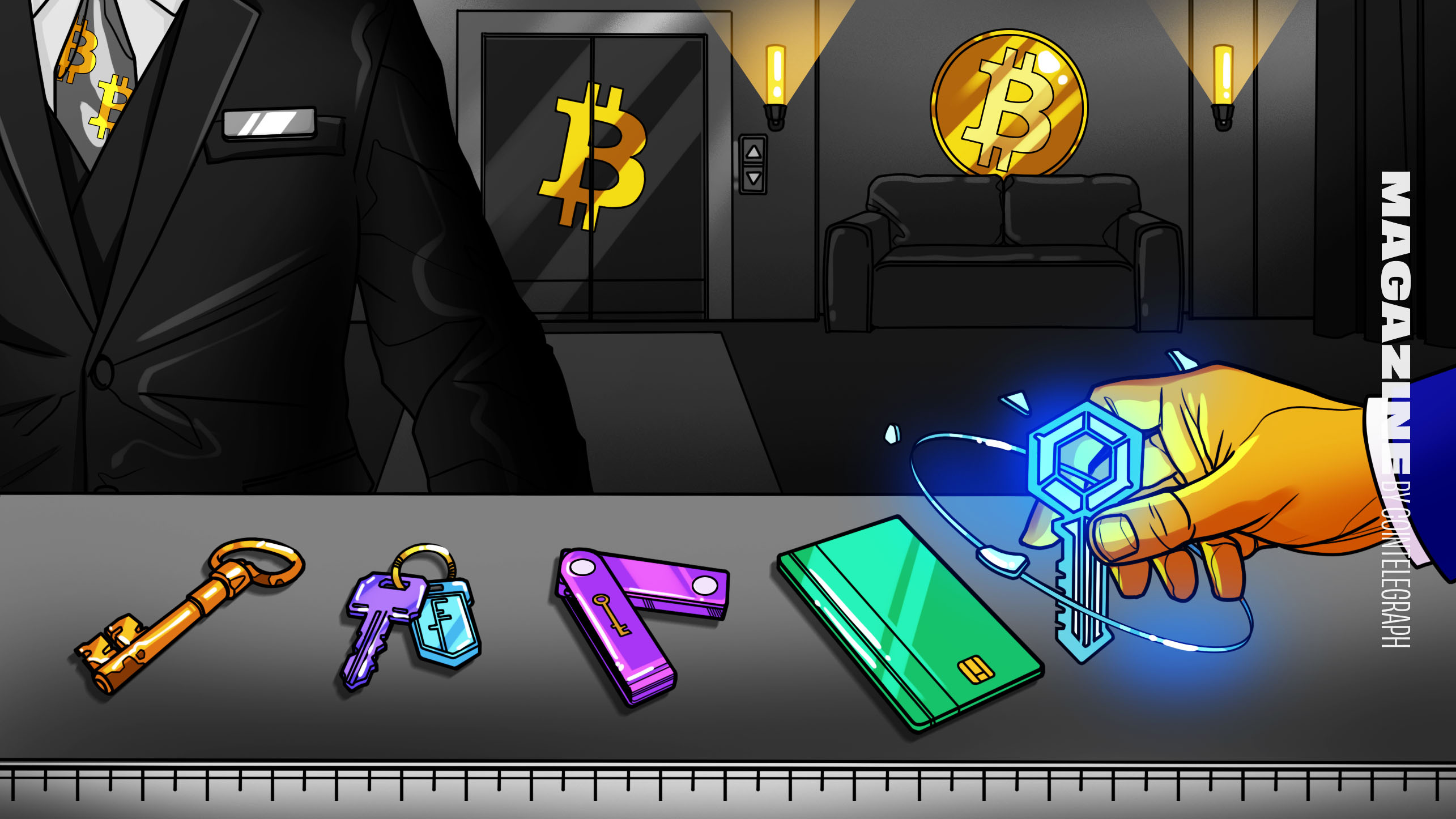
In October 2026, a magazine article highlighted five alternatives to Ledger hardware wallets after a wave of thefts involving tampered devices and weak seed generation on Coldcard units. The piece used the recent incidents as a catalyst to explain why users might consider crypto ETFs, passkey wallets, multisig setups, centralized exchanges, or paper wallets as viable options. The article’s examples show how each method balances convenience against control and risk.
What this means for you
If you are comfortable managing a seed phrase and want the highest degree of personal control, a hardware wallet may still be appropriate, but you should also consider a backup strategy that includes a second method. For users who prefer a “set‑and‑forget” approach, crypto ETFs or reputable centralized exchanges can reduce operational overhead, though you must accept the trade‑off of trusting a third party.
Multisig wallets are an excellent middle ground: they keep you in control while distributing risk across multiple devices or custodians. Passkey wallets offer a modern, mobile‑first experience, but you should verify the recovery process before committing large amounts.
Paper wallets remain useful for long‑term, cold storage of modest sums, provided you follow strict generation and storage practices. In all cases, diversifying across at least two methods can protect you if one layer fails.
How to evaluate a custody option
- Control vs. convenience: Ask whether you are comfortable holding the private key yourself or prefer a service to manage it.
- Security track record: Research past hacks, audits, and any regulatory actions involving the provider.
- Recovery mechanisms: Ensure you understand how to regain access if you lose a device, passkey, or seed phrase.
- Fees and costs: Compare management fees (ETFs), trading fees (exchanges), and any hardware or printing expenses.
- Regulatory environment: Verify that the service complies with local laws, especially if you need to provide identity information.
- Redundancy: Plan for backups—whether additional seed phrases, extra passkeys, or a secondary custodial account.
FAQ
Is an ETF really “owning” Bitcoin?
No. When you buy a Bitcoin ETF, you own shares that represent a claim on the fund’s Bitcoin holdings. You benefit from price exposure but do not control the underlying private keys.
Can I lose access to a passkey wallet if my phone is stolen?
Yes. Most passkey wallets require a recovery method, often involving a secondary device or a trusted contact. Check the provider’s documentation to set up a secure backup before storing significant funds.
Do multisig wallets eliminate the need for hardware wallets?
Not necessarily. Many multisig setups still use a hardware wallet as one of the required keys because it offers strong offline security. The advantage is that compromising a single device does not give an attacker full control.
Are paper wallets safe for large amounts of Bitcoin?
Paper wallets can be safe if generated on an air‑gapped computer and stored in a secure, fire‑proof location. However, they are vulnerable to physical loss, damage, and the difficulty of safely generating high‑entropy keys, so most experts recommend using them only for modest, long‑term holdings.
This article references reporting from cointelegraph.com.