Ever wonder why some crypto projects seem to disappear or run into legal trouble? This article explains what token disclosure means, why it matters, and how you can protect yourself when evaluating a new coin or token.
What token disclosure actually is
Token disclosure is the practice of openly sharing key information about a cryptocurrency project. This includes the identities of founders, any corporate partners, where the team is based, and any financial relationships that could influence the token’s value. In the crypto world, “disclosure” is similar to a prospectus in traditional finance: it gives investors the data they need to assess risk.
When a project fails to disclose material facts—such as a hidden partnership, a legal dispute, or a connection to a high‑risk jurisdiction—investors may be blindsided by sudden price drops, regulatory action, or lawsuits. Because many tokens are sold to the public before a formal product exists, the quality of the disclosed information often determines whether a token is a legitimate opportunity or a speculative gamble.
Real‑world illustration
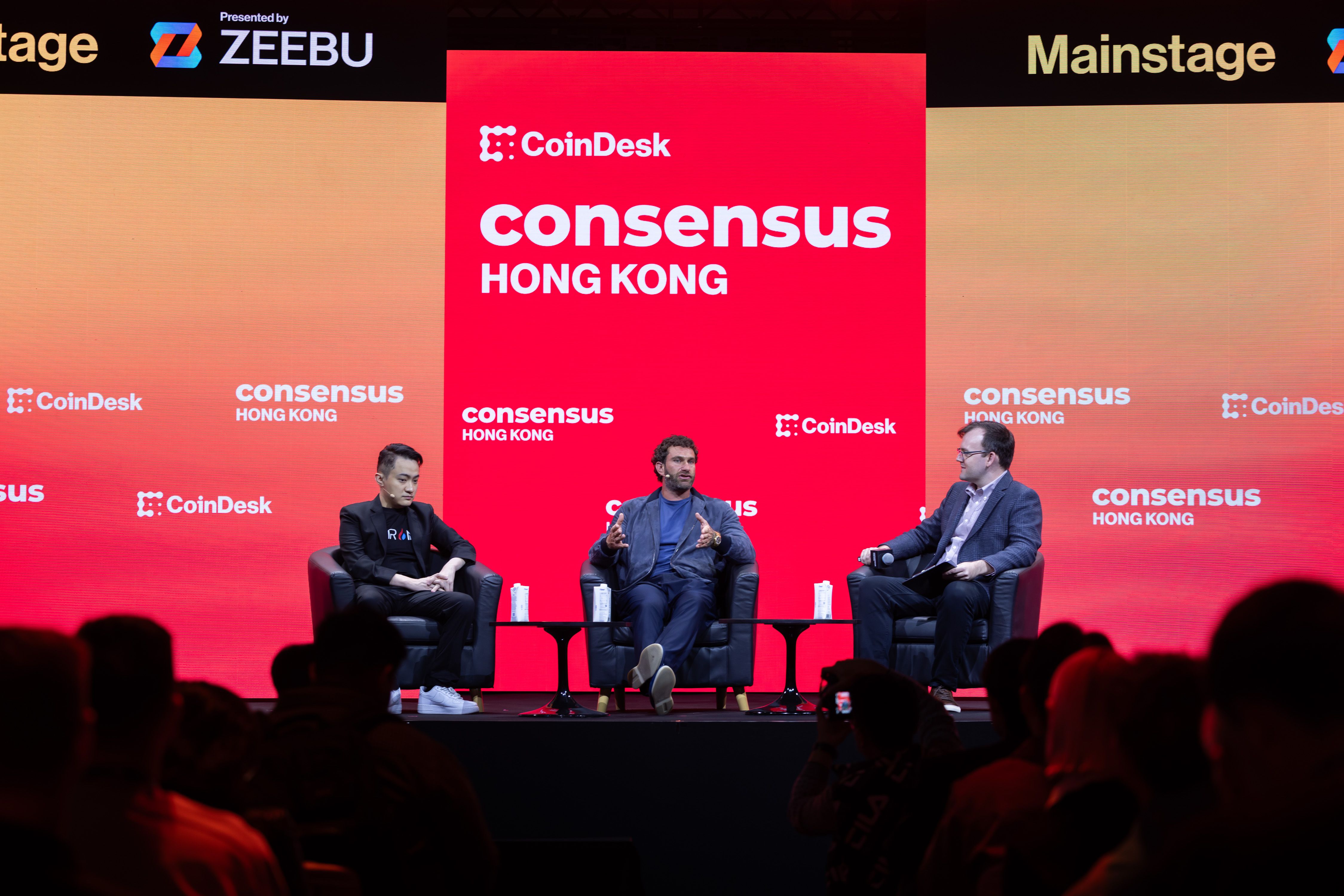
In August 2026, Tron founder Justin Sun filed a lawsuit claiming that World Liberty Financial (WLFI) did not disclose its ties to the United Arab Emirates until months after the dispute began. Sun alleged that the undisclosed UAE connection was material to the $45 million worth of WLFI tokens he had purchased, suggesting that the lack of transparency may have affected his decision to invest.
This case highlights how undisclosed relationships can become a legal and financial liability for token holders. Even though the dispute involves a specific token, the underlying principle—transparent disclosure is essential for informed investing—applies to any crypto asset.
What this means for you
If you are looking to earn passive income or grow a portfolio with crypto tokens, you should treat disclosure as a first‑line filter. Projects that provide clear, verifiable information about their team, funding sources, and any partnerships are generally less likely to encounter sudden regulatory or legal shocks.
Conversely, a lack of disclosure often signals higher risk. Hidden affiliations can lead to unexpected freezes of assets, loss of value, or even legal action that could affect you as a token holder. By scrutinizing the transparency of a token before you invest, you reduce the chance of being caught off guard.
How to evaluate a token’s disclosure
- Team and leadership details: Look for full names, LinkedIn profiles, and prior experience. Anonymous teams are common, but they increase risk.
- Legal entity and jurisdiction: Identify where the project is registered and whether it complies with local regulations. Projects based in jurisdictions with lax enforcement may face future crackdowns.
- Partnerships and investors: Verify any claimed partnerships through independent sources. Press releases, official statements, or third‑party confirmations are good signs.
- Tokenomics documentation: A whitepaper should outline token supply, distribution, and any vesting schedules. Lack of detail often hides future dilution.
- Audit reports: Independent security audits of smart contracts and financial statements add credibility.
FAQ
Why do some projects hide their affiliations?
Projects may conceal relationships to avoid scrutiny, to sidestep regulatory restrictions, or because they are still negotiating deals. However, this opacity raises red flags for investors.
Can I rely on a project’s website alone for disclosure?
No. A website is a marketing tool and may present a biased view. Cross‑check the information with independent sources such as blockchain explorers, reputable news outlets, and official filings.
What legal recourse do I have if a token turns out to be undisclosed?
Legal options vary by jurisdiction. In many cases, investors can join class actions or seek restitution through regulatory bodies, but success is not guaranteed. Prevention—through diligent research—is the most reliable protection.
Does a token audit guarantee safety?
An audit reduces the risk of smart‑contract bugs but does not address undisclosed business relationships or regulatory compliance. Both technical and non‑technical disclosures are needed for a full risk assessment.
This article references reporting from coindesk.com.