Ever wonder how you could hold a slice of a diversified stock index on a blockchain? This article explains the mechanics behind tokenized equity funds, why they are gaining traction, and what you should consider before adding them to your portfolio.
The plain explanation
A tokenized equity fund is a traditional investment vehicle—such as a mutual fund or exchange‑traded fund (ETF)—that issues its ownership units as digital tokens on a blockchain. Each token represents a share of the underlying basket of stocks, just like a regular fund share, but it exists as a cryptographic record rather than a paper certificate.
The process begins with tokenization, which means converting the legal ownership rights of a fund’s shares into blockchain tokens. A trusted custodian or asset‑servicing firm holds the actual securities and issues the corresponding tokens on a public or permissioned ledger. The blockchain records every token transfer, providing an immutable audit trail.
Key terms you’ll encounter:
- Smart contract: Self‑executing code on the blockchain that enforces the rules of the token, such as how new tokens are minted or how dividends are distributed.
- Settlement: The final exchange of assets for payment. On a blockchain, settlement can occur in seconds, compared with the one‑ to three‑day lag in traditional markets.
- Custodian: A regulated entity that safeguards the underlying securities and ensures the tokens are fully backed.
- Distributed Ledger Technology (DLT) Pilot Regime: An EU framework that allows firms to experiment with blockchain‑based financial services under a temporary license.
A real example
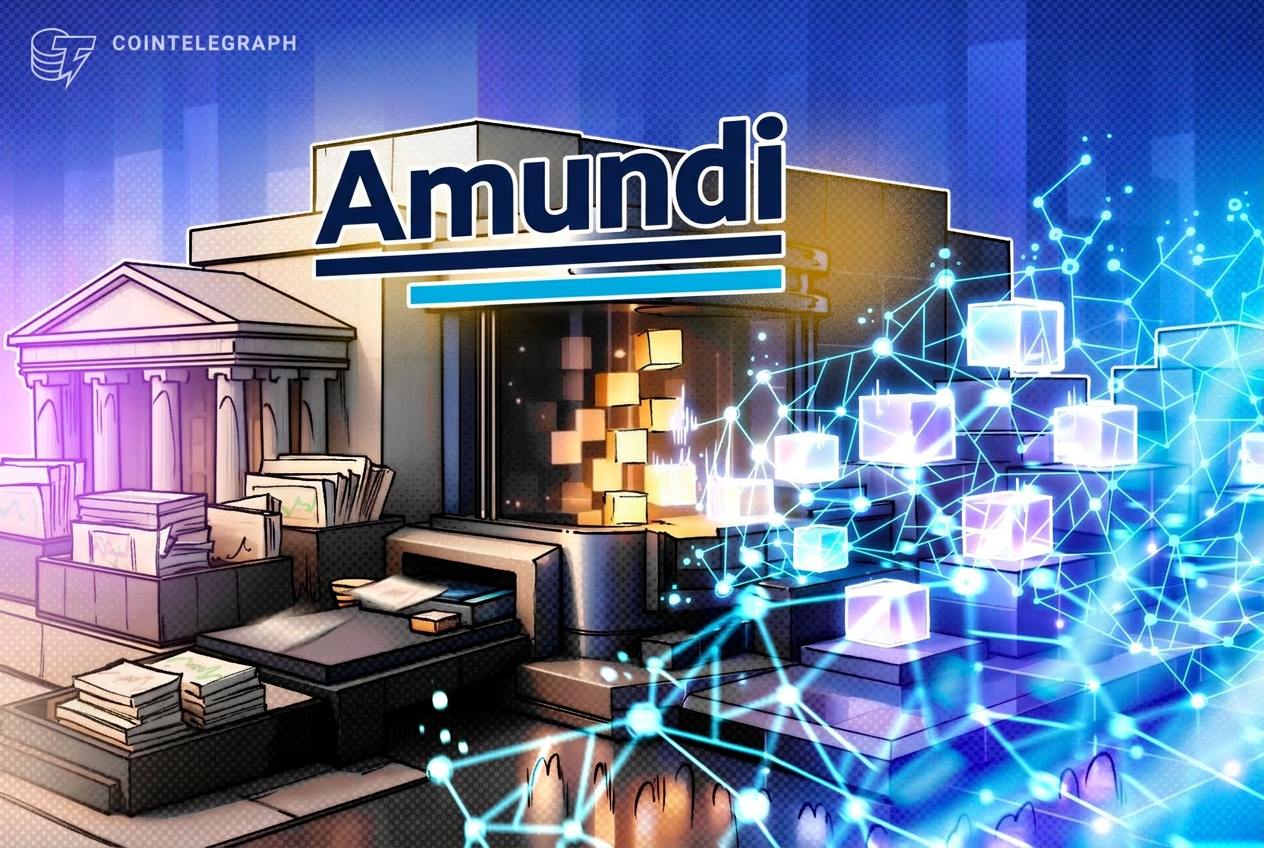
In November 2026, Amundi, Europe’s largest asset manager, launched a tokenized share class of its STOXX Europe 600 equity index fund on the Ethereum blockchain. The fund, which tracks 600 large‑, mid‑ and small‑cap companies across developed European markets, was issued in partnership with CACEIS, an asset‑servicing company that provided the tokenization infrastructure. The same fund remains available through traditional channels, giving investors a choice between conventional shares and blockchain‑based tokens.
What it means for you
Tokenized funds can offer several practical advantages:
- Faster settlement: Transactions settle in minutes, so you can buy or sell your exposure without waiting for the usual clearing‑house delays.
- Broader accessibility: Investors in regions without easy access to certain funds can acquire tokens through digital platforms, potentially lowering entry barriers.
- Transparent ownership records: The blockchain ledger shows exactly who owns each token, reducing paperwork and the risk of lost certificates.
- Potential for fractional ownership: Tokens can be divided into very small units, allowing you to invest amounts that would be too low for a full traditional share.
However, these benefits come with trade‑offs. You remain exposed to the same market risk as the underlying equities, and you also inherit blockchain‑specific risks such as smart‑contract bugs, network congestion, and regulatory uncertainty.
What to check / how to judge
- Custodian and legal backing: Verify that a reputable, regulated custodian holds the underlying securities and that the token is legally recognized as a share of the fund.
- Smart‑contract audit: Look for independent security audits of the contract that governs the token. Audits reduce the chance of exploitable code flaws.
- Liquidity options: Assess whether the token can be traded on reputable exchanges or if you must rely on the issuer’s platform for buying and selling.
- Regulatory compliance: Ensure the token complies with the jurisdiction’s securities laws and that the issuer has the necessary licenses, such as under the EU’s DLT Pilot Regime.
- Fee structure: Compare management fees, custody fees, and any additional blockchain‑related costs (e.g., gas fees on Ethereum) with those of the traditional fund share class.
FAQ
Do tokenized fund tokens pay dividends?
Yes, if the underlying fund distributes dividends, the smart contract can automatically allocate the corresponding amount to token holders, usually in the same currency as the dividend or as a stablecoin.
Can I hold tokenized fund tokens in a regular crypto wallet?
Most tokenized fund tokens are ERC‑20 tokens on Ethereum, so any wallet that supports ERC‑20 assets can store them. However, you should use a wallet that allows you to retain control of your private keys for full ownership.
What happens if the blockchain network is congested?
High network traffic can increase transaction (gas) fees and delay settlement. Some issuers mitigate this by using layer‑2 solutions or alternative blockchains, but it’s a factor to consider when planning frequent trades.
Are tokenized funds safer than buying individual stocks on a blockchain?
Tokenized funds inherit the diversification benefits of the underlying basket, which can lower risk compared to holding a single tokenized stock. Nonetheless, they still face the same market risk as the equities they track, plus the additional technical risks of the blockchain layer.
This article references reporting from cointelegraph.com.