
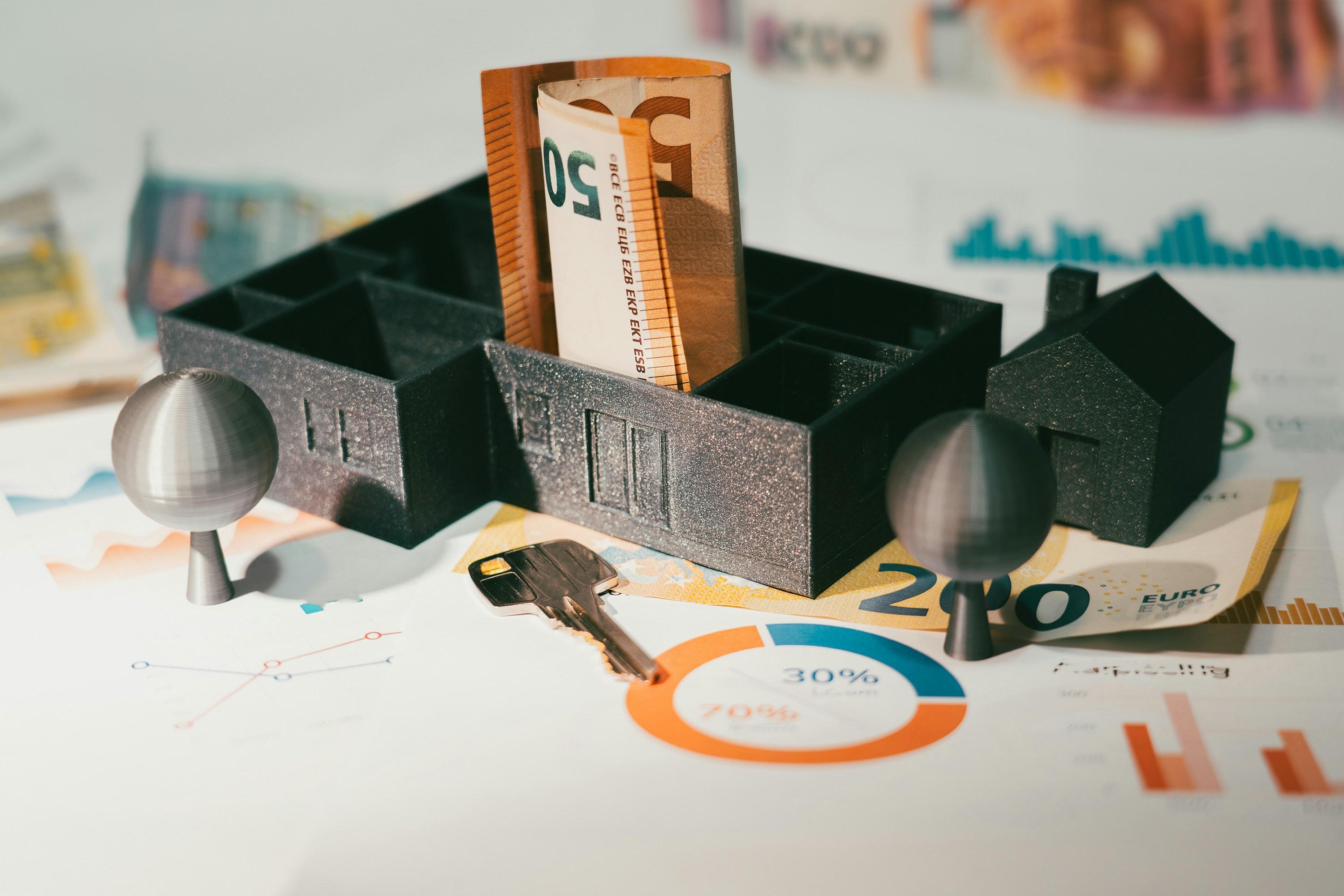
Are you curious about how a traditional mortgage can become a digital asset you can buy and sell? This article explains the basics of tokenized mortgage credit, how the process works, and what you should consider before investing.
What tokenized mortgage credit actually is
Tokenized mortgage credit is a form of real‑world asset (RWA) tokenization. In simple terms, a mortgage loan—such as a home‑buyer’s loan issued by a bank—is packaged into a digital representation called a token. Each token lives on a blockchain, which is a public, tamper‑proof ledger that records who owns what.
When a mortgage is tokenized, the loan’s cash‑flow (the monthly principal and interest payments from the borrower) is attached to the token. Investors who buy the token are entitled to a share of those cash‑flows, much like holding a bond that pays interest. Because the token is on a blockchain, it can be transferred instantly to another party, enabling a secondary market that does not exist for traditional mortgages.
Key terms:
- Token: A digital unit that represents ownership of an underlying asset.
- Smart contract: Self‑executing code on a blockchain that enforces the rules of the token, such as automatically distributing payments to token holders.
- Custodian: A regulated entity that holds the original mortgage documents and ensures the legal rights of token holders are protected.
- Real‑world asset (RWA): Any physical or financial asset—like real estate, loans, or commodities—that is represented on a blockchain.
How the tokenization process works
1. Origination: A lender creates a mortgage loan for a homebuyer. The loan agreement includes the interest rate, term, and repayment schedule.
2. Aggregation: The lender bundles a pool of similar mortgages together. Pooling spreads risk, because the performance of any single loan has less impact on the whole group.
3. Legal structuring: The pool is placed into a special purpose vehicle (SPV), a separate legal entity that owns the mortgages. The SPV issues tokens that represent fractional ownership of the pool.
4. Token creation: A smart contract on a blockchain mints the tokens. The contract records the total supply, the rights of token holders, and the schedule for distributing payments.
5. Distribution: Tokens are sold to investors, often through a regulated platform that performs Know‑Your‑Customer (KYC) and Anti‑Money‑Laundering (AML) checks. Investors receive the tokens in a digital wallet.
6. Cash‑flow management: As borrowers make mortgage payments, the SPV collects the money and the smart contract automatically allocates the appropriate share to each token holder’s wallet.
7. Secondary market: Because tokens are on a blockchain, they can be traded on compatible exchanges or peer‑to‑peer platforms, giving investors liquidity that traditional mortgage holdings lack.
Real‑world illustration
In March 2026, fintech firm NUVA announced that it would bring U.S. residential mortgage credit to offshore investors by tokenizing a portfolio of American home loans. NUVA’s platform creates an SPV that holds the mortgages, issues blockchain tokens, and then offers those tokens to qualified investors outside the United States. The move demonstrates how tokenization can open a traditionally domestic market to a global pool of capital.
What this means for you
If you are looking for ways to earn passive income online, tokenized mortgage credit offers a few distinct features:
- Regular cash‑flow: Tokens generate monthly payments that mirror the underlying mortgage repayments.
- Diversification: By buying a slice of a mortgage pool, you spread risk across many borrowers rather than tying your money to a single loan.
- Liquidity: Tokens can be sold on secondary markets, allowing you to exit before the mortgage term ends, something not possible with a direct mortgage investment.
- Access: Offshore investors can now participate in U.S. residential credit without needing to set up a U.S. entity.
However, these benefits come with risks. Mortgage defaults, changes in interest rates, and regulatory shifts can affect returns. Additionally, the blockchain platform itself may have technical or security vulnerabilities.
What to check before you invest
- Regulatory compliance: Verify that the token issuer and custodian are licensed in the jurisdiction where the mortgages originate and where you reside.
- Legal structure: Understand the SPV’s rights and how they protect token holders in case of borrower default.
- Smart contract audit: Look for independent security audits of the token’s smart contract to ensure payments will be distributed correctly.
- Underlying loan quality: Review the credit scores, loan‑to‑value ratios, and geographic distribution of the mortgages in the pool.
- Liquidity options: Check whether the token is listed on a reputable secondary market and what fees apply to buying or selling.
- Fee structure: Identify any management, custodial, or platform fees that will reduce your net return.
FAQ
Can I lose my entire investment?
Yes. If a large portion of the underlying mortgages default and the SPV lacks sufficient collateral, token holders could lose part or all of their capital. Diversification and thorough due diligence can reduce but not eliminate this risk.
Do I need a cryptocurrency wallet to hold these tokens?
Yes. Tokens are stored in a digital wallet that supports the blockchain on which they are issued. Most platforms provide a custodial wallet option for beginners, but a non‑custodial wallet gives you full control over your private keys.
How are taxes handled?
Token transactions are typically treated as the sale or purchase of a security, and the cash‑flow payments are considered interest income. Tax treatment varies by country, so consult a tax professional familiar with crypto and RWA investments.
Is tokenized mortgage credit the same as a mortgage‑backed security (MBS)?
Conceptually they are similar—both bundle mortgages and pay investors from the loan cash‑flows. The key difference is that tokenized mortgage credit uses blockchain technology to provide transparency, faster settlement, and a potentially more accessible secondary market.
This article references reporting from coindesk.com.





