Ever wonder how a piece of real‑world property or a company share can exist on a blockchain? This article explains tokenized securities—what they are, how they function, and what you should consider before getting involved.
The plain explanation
Tokenized securities are digital representations of traditional financial assets such as stocks, bonds, real‑estate parcels, or commodities. Each token is a cryptographic record stored on a blockchain that proves ownership of the underlying asset. Because the token lives on a distributed ledger, transfers can happen instantly, 24/7, without the need for a central clearinghouse.
Key terms:
- Tokenization: The process of converting a real‑world asset into a digital token.
- Security token: A token that represents an investment contract and is subject to securities regulations.
- Blockchain: A decentralized database where each block contains a list of transactions that are cryptographically linked.
- Smart contract: Self‑executing code on a blockchain that enforces the rules of a token, such as transfer restrictions or dividend payouts.
When an asset is tokenized, a legal entity (often a special purpose vehicle) holds the actual asset, while the token holders own a share of that entity. This structure ensures that token owners have the same rights—voting, dividends, or profit participation—as traditional shareholders, but they can trade the tokens on specialized platforms that support security tokens.
A real example
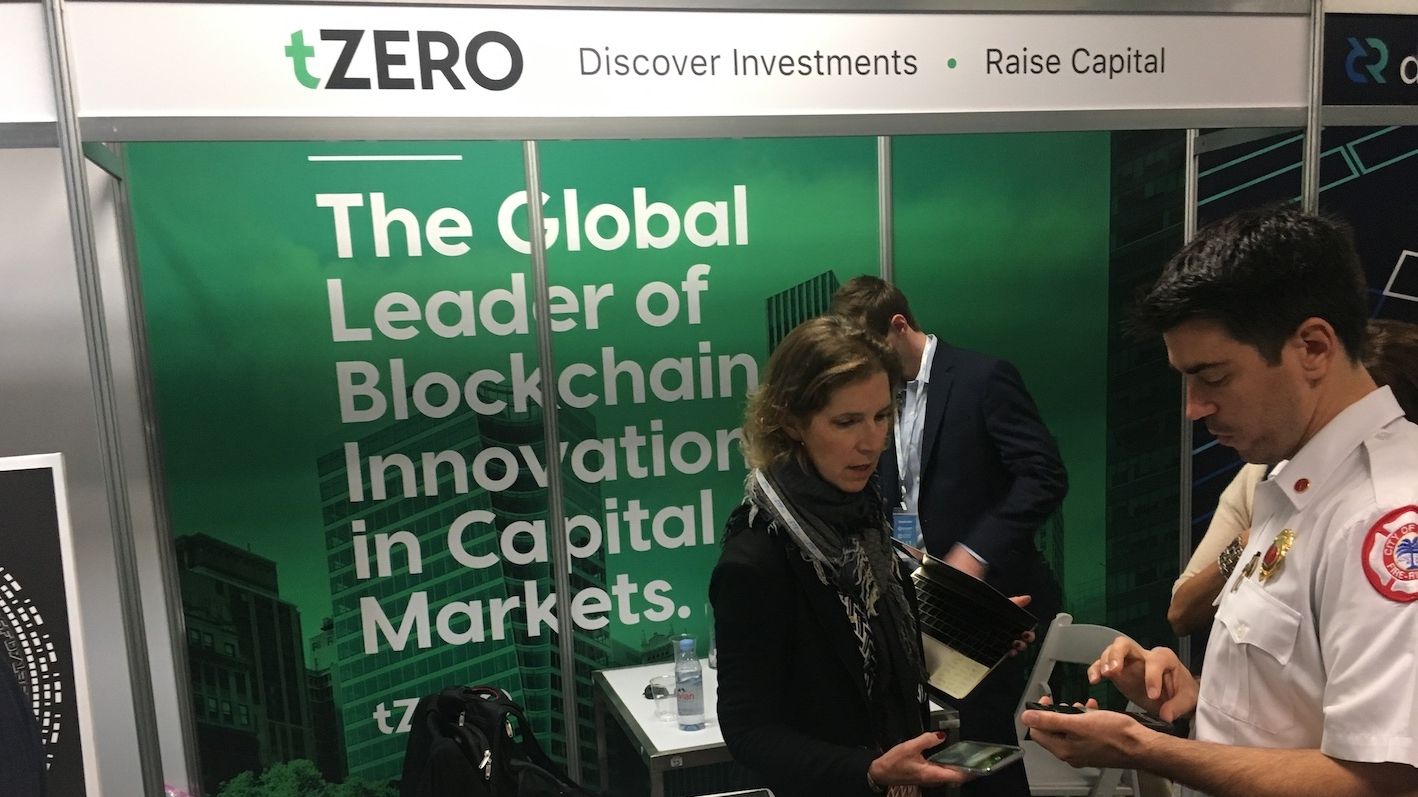
In March 2026, digital securities firm tZERO announced plans to go public through a $350 million SPAC (Special Purpose Acquisition Company) deal, intending to list on NYSE American under the ticker TZRO. tZERO has spent more than a decade building blockchain‑based trading infrastructure that enables the issuance, settlement, and secondary trading of security tokens. The SPAC transaction highlights how companies are using tokenization to create new market avenues and attract capital.
What it means for you
Tokenized securities open up several possibilities for everyday investors:
- Broader access: Fractional tokens can lower the entry price for high‑value assets like commercial real estate, allowing you to invest with a few hundred dollars instead of needing millions.
- Faster settlement: Traditional stock trades can take days to settle; token trades settle in minutes, reducing counterparty risk.
- Global markets: Because blockchains are borderless, you can buy tokens listed on foreign platforms without dealing with multiple custodians.
- Transparency: Every token transfer is recorded on a public ledger, offering clear audit trails.
However, tokenized securities also come with risks. Regulatory frameworks are still evolving, and not all platforms have the same level of compliance or investor protection. Liquidity can be limited, especially for niche tokens, meaning you might not be able to sell quickly at a fair price.
What to check / how to judge
- Regulatory compliance: Verify that the token is registered with the appropriate securities regulator or qualifies for an exemption. Look for disclosures similar to those of traditional securities.
- Underlying asset verification: Ensure the issuer provides audited proof that the asset backing the token actually exists and is properly held.
- Platform security: Choose exchanges or custodians that employ multi‑factor authentication, cold storage, and regular security audits.
- Liquidity options: Check whether the token trades on multiple secondary markets and what the typical bid‑ask spread looks like.
- Fees and costs: Understand issuance fees, trading commissions, and any custody charges that could eat into returns.
FAQ
Are security tokens the same as regular cryptocurrencies?
No. While both are digital assets on a blockchain, security tokens represent ownership in a regulated financial asset and must comply with securities laws. Regular cryptocurrencies, like Bitcoin, are generally not tied to any underlying asset or legal claim.
Do I need a special wallet to hold security tokens?
Yes. Security tokens often require wallets that support the specific blockchain and its compliance features, such as identity verification (KYC) and transfer restrictions. Some platforms provide custodial wallets that handle these requirements for you.
Can I earn passive income from tokenized securities?
Potentially. If the underlying asset generates cash flow—such as rental income from a tokenized property or dividends from a tokenized stock—those earnings can be distributed to token holders, often automatically via smart contracts.
Is investing in tokenized assets risky?
All investments carry risk. Tokenized securities add layers of regulatory uncertainty, technology risk, and possible liquidity constraints. Conduct thorough due diligence and consider how the investment fits your overall risk tolerance.
This article references reporting from coindesk.com.