Are you wondering how changes in the U.S. Congress can affect your ability to earn, trade, or invest in crypto? This article explains the legislative process behind crypto regulation, the role of congressional committees, and what those dynamics mean for everyday crypto earners.
What is crypto regulation and how does it work?
Crypto regulation refers to the set of laws and rules that govern digital assets, their issuance, trading, and related services. In the United States, regulation is fragmented across several agencies:
- SEC (Securities and Exchange Commission) – oversees securities offerings, which can include certain tokens deemed investment contracts.
- CFTC (Commodity Futures Trading Commission) – regulates derivatives and treats many cryptocurrencies as commodities.
- FinCEN (Financial Crimes Enforcement Network) – enforces anti‑money‑laundering (AML) and know‑your‑customer (KYC) rules for crypto businesses.
- IRS (Internal Revenue Service) – treats crypto as property for tax purposes.
Congress sets the broad policy framework by passing laws that direct these agencies. It can also launch investigations, hold hearings, and issue subpoenas that shape how agencies interpret existing statutes. When a particular party gains control of the House or Senate, its policy priorities influence which bills move forward and which industry practices receive scrutiny.
How congressional committees influence crypto policy
Committees are specialized groups within the House and Senate that focus on specific policy areas, such as finance, judiciary, or technology. The most relevant committees for crypto include:
- House Committee on Financial Services – oversees banking, securities, and consumer protection, making it a key venue for crypto legislation.
- Senate Committee on Banking, Housing, and Urban Affairs – similar jurisdiction on the Senate side.
- House Committee on Judiciary – handles legal definitions that affect whether a token is classified as a security.
- House Committee on Oversight and Reform – conducts investigations into industry practices and can issue subpoenas.
When a party controls a committee, its chairperson sets the agenda: deciding which bills are heard, which witnesses are called, and which investigations are launched. This power can accelerate supportive legislation (e.g., clearer rules for stablecoins) or intensify scrutiny of certain projects (e.g., those linked to political figures).
Real‑world illustration
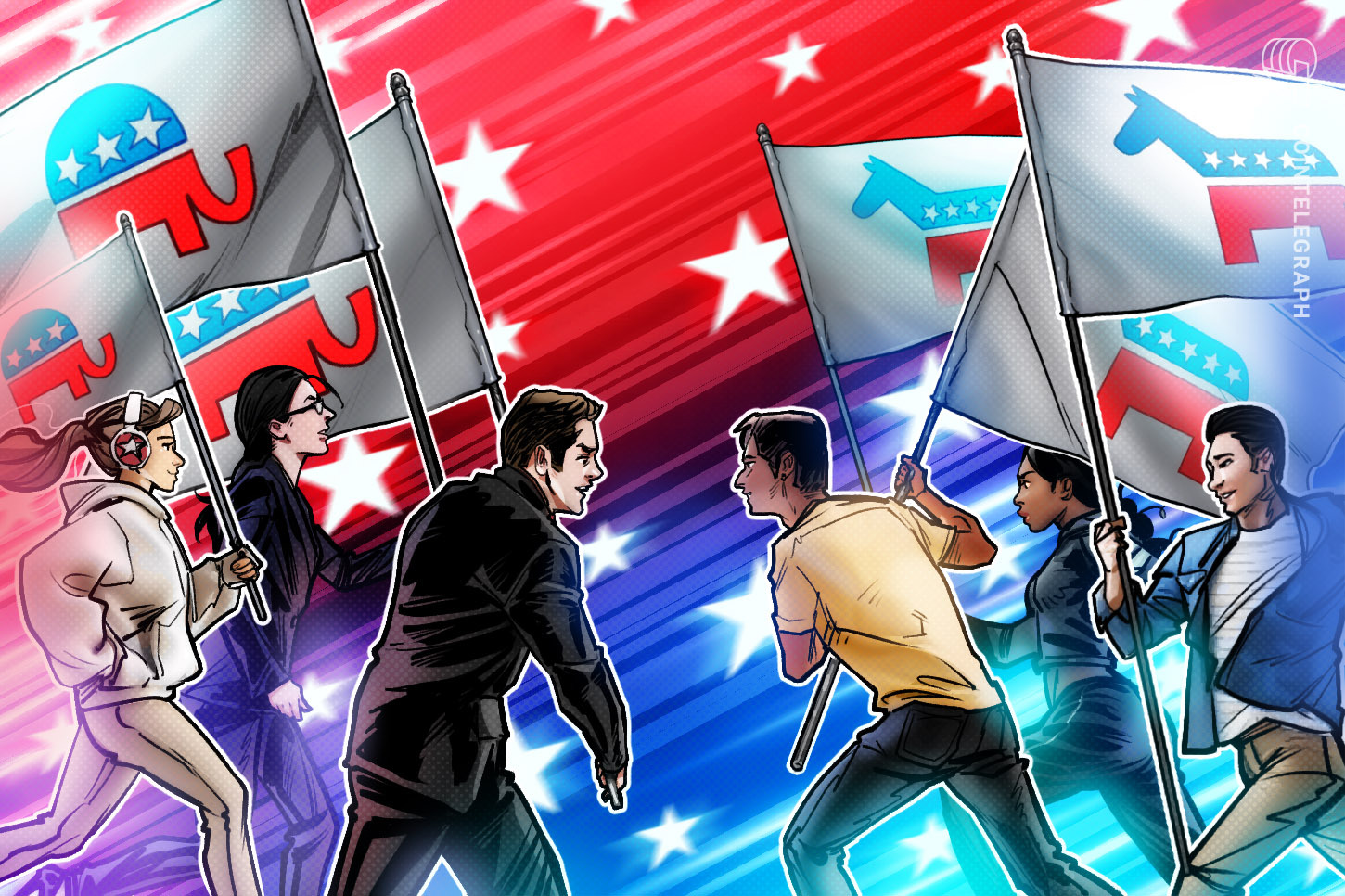
In November 2026, Democrats won control of the U.S. House of Representatives, securing the chairmanship of key committees for January 2027. Analysts noted that this shift could lead to increased congressional scrutiny of “Trump‑linked digital asset businesses” and potentially reshape upcoming crypto legislation. The change illustrates how electoral outcomes directly affect the regulatory environment that crypto participants operate within.
What this means for you as a crypto earner
Changes in congressional control can affect you in several ways:
- Legislative clarity – New bills may define how certain tokens are taxed or regulated, reducing uncertainty for staking, mining, or cloud‑reward platforms.
- Compliance costs – Stricter AML/KYC rules could increase the paperwork required to withdraw earnings from exchanges or mining pools.
- Market sentiment – Perceived regulatory friendliness often influences investor confidence, which can affect the price of the assets you earn.
- Access to services – Some platforms may pause operations in the U.S. if they anticipate costly compliance requirements.
How to evaluate regulatory risk
Before committing your time or capital to a crypto earning method, consider these checkpoints:
- Agency jurisdiction – Identify which U.S. regulator oversees the activity (e.g., SEC for token sales, CFTC for futures).
- Legislative watchlist – Follow the progress of any bills in the House Financial Services Committee or Senate Banking Committee that mention “digital assets,” “stablecoins,” or “crypto taxation.”
- Company disclosures – Choose platforms that publish clear compliance statements and explain how they handle AML/KYC requirements.
- Geographic flexibility – If a platform restricts U.S. users, check whether it offers a jurisdiction‑friendly alternative or a way to withdraw earnings to a non‑U.S. wallet.
FAQ
Will a change in congressional majority automatically ban crypto?
No. Congress can propose or pass legislation, but any ban would still need to survive the Senate, be signed by the president, and be implemented by the relevant agencies. Most changes focus on regulation rather than outright prohibition.
How can I stay informed about upcoming crypto bills?
Subscribe to newsletters from the House Financial Services Committee, follow reputable crypto policy analysts on social media, and monitor major crypto‑focused publications for summaries of legislative activity.
Do congressional investigations affect my existing crypto holdings?
Investigations usually target specific companies or practices. Unless a platform you use is directly implicated, your personal holdings are unlikely to be impacted, though market reactions to news can affect asset prices.
What should I do if a new regulation increases compliance costs for my mining pool?
Consider diversifying to pools that operate in jurisdictions with more favorable regulatory environments, or explore cloud‑reward services that handle compliance on your behalf. Always weigh the added fees against the potential earnings.
This article references reporting from cointelegraph.com.