Do you wonder how traders can profit from Bitcoin’s price moves without actually owning the coin? This article explains the mechanics of crypto futures, leverage, and the metrics that signal market sentiment, so you can understand what’s happening when you see headlines about liquidations or long‑short ratios.
What crypto futures are and how they work
A future is a contract that obligates the buyer to purchase, or the seller to deliver, an asset at a predetermined price on a set future date. In the crypto world, futures let traders speculate on the price of Bitcoin, Ethereum or other tokens without holding the underlying coins. Because the contract is settled in cash (or sometimes in the crypto itself), traders can go long (bet the price will rise) or short (bet it will fall) with just a fraction of the contract’s notional value.
To make these bets more affordable, exchanges offer leverage. Leverage is a multiplier that lets you control a larger position than your capital would normally allow. For example, 10× leverage means you can open a $10,000 contract with only $1,000 of margin. While leverage amplifies potential profit, it also magnifies loss; if the market moves against you beyond a certain threshold, your position is automatically closed in a process called liquidation.
Two key concepts help you read the market’s mood:
- Open interest (OI): the total number of outstanding futures contracts that have not been settled. Rising OI often signals new money entering the market.
- Long‑short ratio: the proportion of long positions to short positions held by traders. A high ratio (more longs than shorts) suggests bullish sentiment, while a ratio below 1 indicates bearish bias.
Real‑world illustration
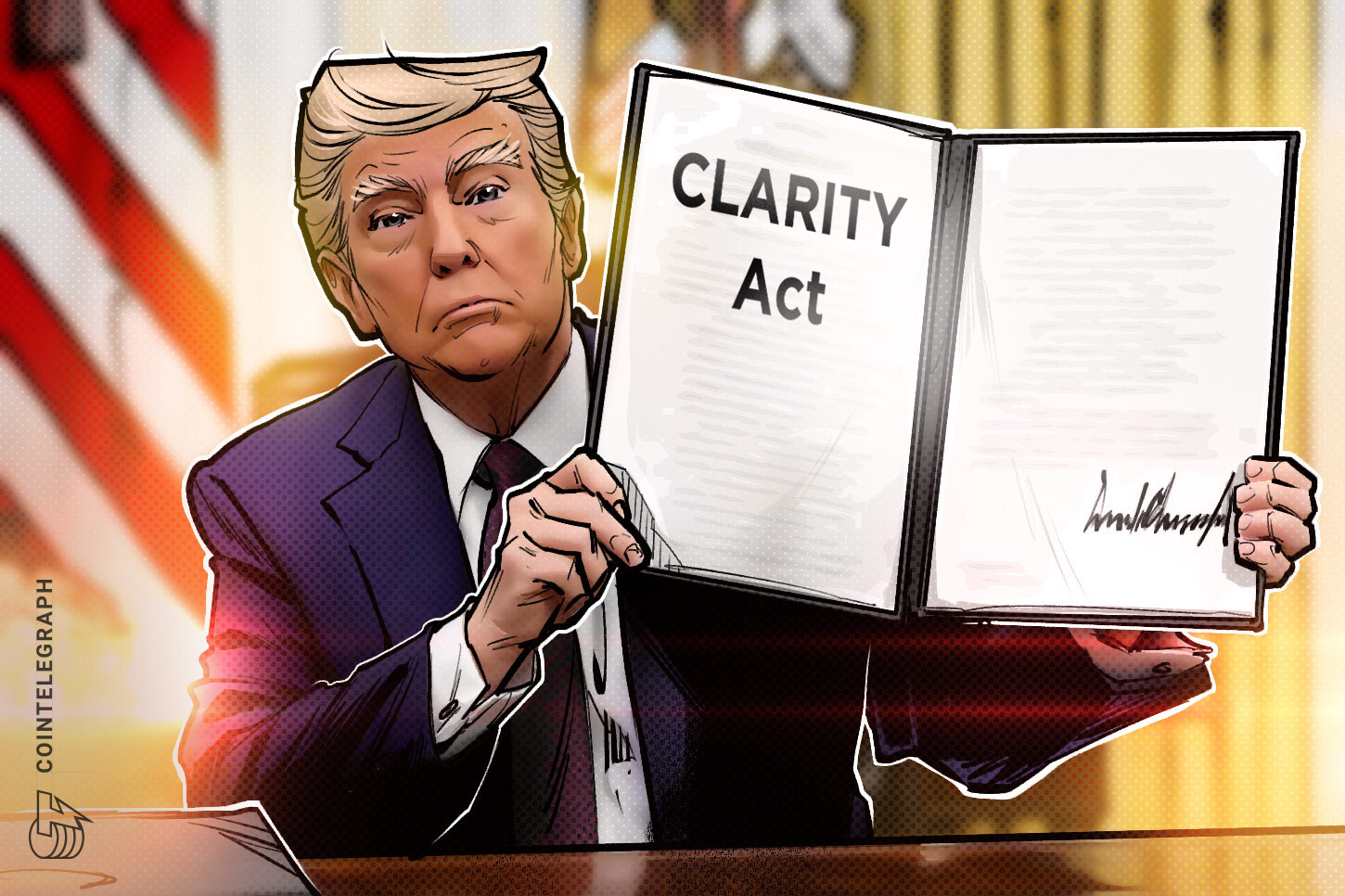
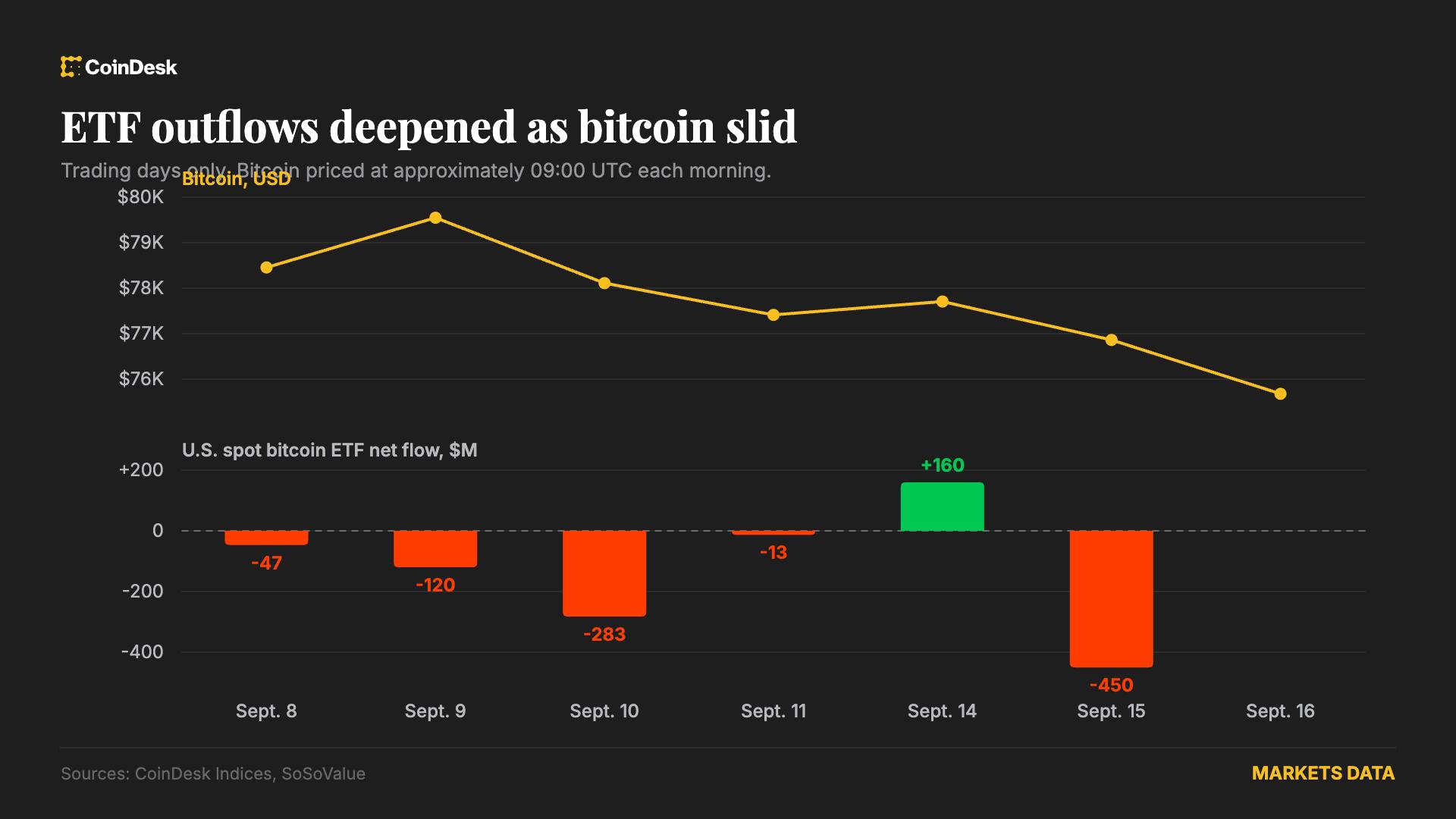
On the day the U.S. Senate’s procedural vote on the Clarity Act failed, Bitcoin futures saw a sharp shift. Leveraged futures positions worth more than $570 million were liquidated— the most since August 2022—while the overall long‑short volume ratio flipped to a slight bearish tilt, with shorts accounting for 51.5 % of flow. At the same time, Bitcoin’s open interest rose to 688,000 BTC, yet the 24‑hour OI‑adjusted cumulative volume delta (CVD) turned negative, indicating that more short orders were being executed at market price. These figures together painted a short‑biased market despite still‑high bullish leverage, as the Hyperliquid long‑short ratio stayed above 2.5 (more than two longs for every short).
What this means for you
If you are considering earning through crypto derivatives, the data above shows why risk management is essential. High leverage can boost returns quickly, but it also raises the chance of forced liquidation when prices move against you. A rising open interest combined with a negative CVD suggests that traders are adding bearish bets, which could precede a price decline. Conversely, a strong long‑short ratio may indicate optimism, but it can also mean many traders are over‑exposed on the upside and vulnerable to a pullback.
Understanding these signals helps you decide whether to enter a position, adjust your leverage, or set protective orders such as stop‑losses. It also informs decisions about using platforms that offer futures, including those that provide “passive income” products like automated hedging or yield on margin.
What to check before trading futures
- Leverage limits: Choose an exchange that caps leverage at a level you are comfortable with; many beginners start with 2× or 3×.
- Margin requirements: Know how much collateral you need to open and maintain a position, and how much equity is required to avoid liquidation.
- Liquidity and volume: Higher trading volume reduces slippage and ensures you can enter or exit positions at expected prices.
- Funding rates: For perpetual contracts (which have no expiry), funding rates are periodic payments between longs and shorts that keep the contract price close to the spot price.
- Risk controls: Set stop‑loss orders, use position sizing rules (e.g., never risk more than 1‑2 % of your capital on a single trade), and consider diversifying across assets.
FAQ
What is the difference between a futures contract and a perpetual swap?
A futures contract has a fixed expiration date, after which it is settled. A perpetual swap never expires; instead, it uses periodic funding payments to keep its price aligned with the spot market.
How does a long‑short ratio affect my trading decision?
A high long‑short ratio indicates many traders are bullish, which can signal strong momentum but also potential over‑leverage on the upside. A low ratio suggests bearish sentiment. Use the ratio alongside other metrics like open interest and CVD to gauge overall market bias.
Can I lose more than my initial investment with leveraged futures?
Yes. If the market moves sharply against a highly leveraged position, the liquidation process can consume your margin and, on some platforms, result in a negative balance that you must cover.
What are “funding rates” and why do they matter?
Funding rates are periodic payments exchanged between long and short traders on perpetual contracts. Positive rates mean longs pay shorts, indicating bullish pressure; negative rates mean shorts pay longs, indicating bearish pressure. They affect the cost of holding a position over time.
This article references reporting from coindesk.com.