Are you wondering why a shift in U.S. interest rates can affect the profitability of your crypto mining or staking activities? This article explains the relationship between Federal Reserve policy, the cost of capital, and the returns you can expect from crypto‑related passive income.
What the Federal Reserve Does and Why It Matters
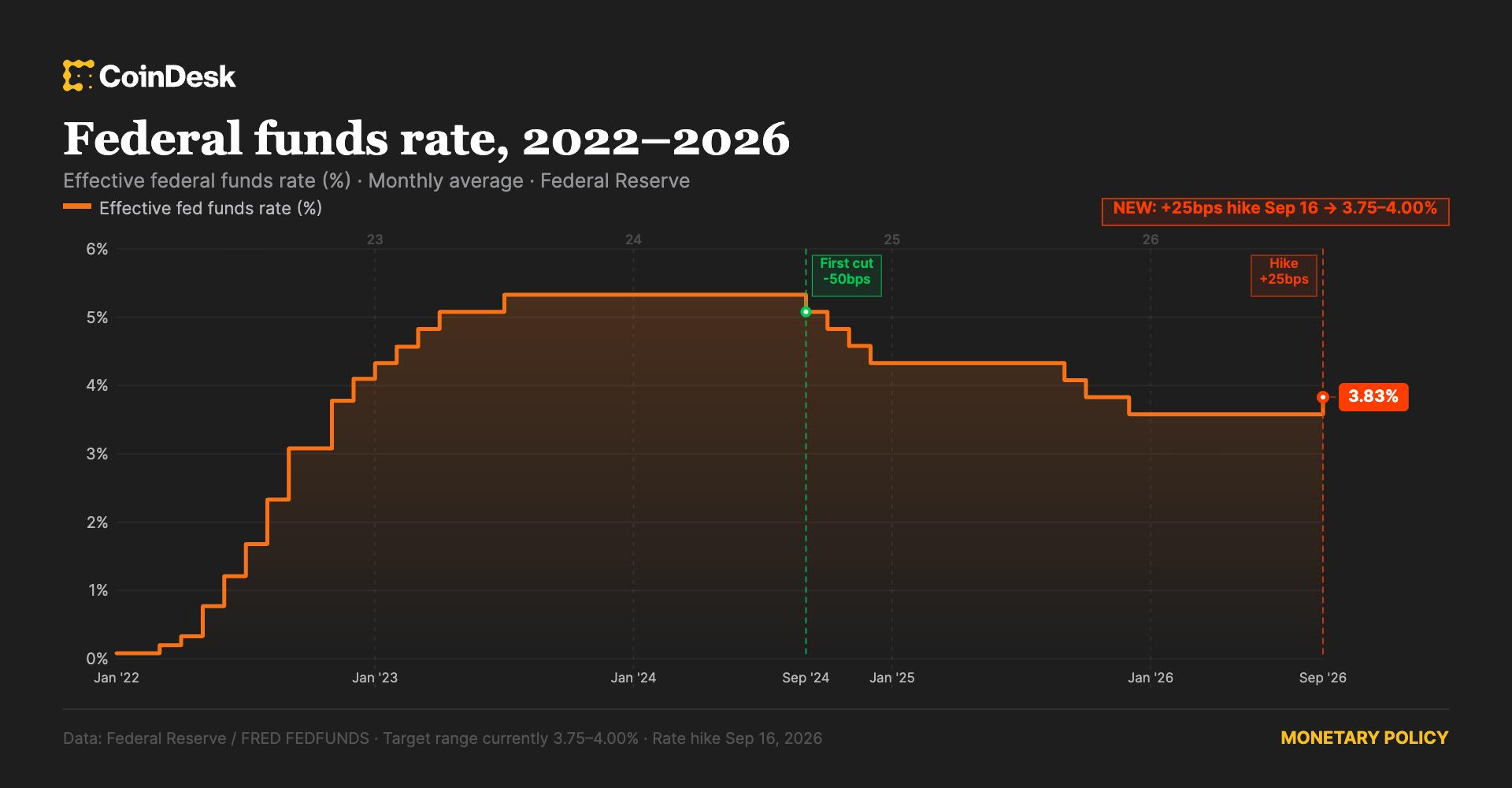
The Federal Reserve (the Fed) is the central bank of the United States. Its primary tool for managing the economy is the federal funds rate, the interest rate at which banks lend to each other overnight. When the Fed raises this rate, borrowing becomes more expensive for banks, which in turn passes higher costs onto consumers and businesses through loans, mortgages, and credit cards. Conversely, a rate cut makes borrowing cheaper.
These changes ripple through the broader financial system, influencing everything from stock market valuations to the price of traditional safe‑haven assets like the U.S. dollar. Because many crypto participants—miners, stakers, and cloud‑reward platforms—operate with borrowed capital or compare their returns to traditional finance, Fed policy indirectly shapes crypto earnings.
How Rate Changes Affect Crypto Mining
Mining is capital‑intensive. Operators need to purchase or lease hardware, pay for electricity, and sometimes finance the operation with loans. When the Fed raises rates, the interest on those loans rises, increasing the overall cost of mining. Higher electricity prices can also result if utility companies pass on higher wholesale energy costs, which are often linked to broader economic conditions.
The profitability of mining is measured by the net margin, which is the revenue from block rewards and transaction fees minus operating expenses (hardware depreciation, electricity, and financing costs). A rise in financing costs squeezes this margin, meaning miners need either higher cryptocurrency prices or more efficient hardware to maintain the same profit level.
How Rate Changes Influence Staking and Cloud Rewards
Staking involves locking up a cryptocurrency to help secure a proof‑of‑stake (PoS) network and earn a reward, usually expressed as an annual percentage yield (APY). Cloud‑reward services let users lease computing power or stake without owning the hardware. Both rely on the concept of opportunity cost—the return you could earn elsewhere with the same capital.
When the Fed hikes rates, traditional low‑risk assets such as Treasury bonds or high‑yield savings accounts become more attractive because they now offer higher yields with minimal risk. This raises the benchmark that crypto staking returns must beat to be considered worthwhile. If a staking platform offers a 5 % APY while a newly available Treasury bill yields 4.5 %, the crypto option still looks appealing, but the margin narrows. Conversely, a rate cut makes traditional yields fall, often making crypto staking appear more lucrative.
Real‑World Illustration
On March 20 2026, the Federal Reserve raised its target rate by 25 basis points—the first increase since July 2023. The move was widely anticipated to increase borrowing costs across the economy. In the days that followed, several mining operations reported higher electricity bills and increased financing expenses, leading to a temporary dip in mining profitability. At the same time, staking platforms saw a modest rise in the APYs they advertised to stay competitive with the newly higher yields on short‑term Treasury instruments.
What It Means for You
- Mining investors should monitor financing costs. If you rely on loans to purchase ASICs or GPUs, a Fed hike can erode your profit margin. Consider locking in fixed‑rate loans before a potential rate increase.
- Stakers need to compare yields. Look at the net return after accounting for any platform fees and the risk of token price volatility. A higher APY may not be better if the underlying asset is expected to lose value.
- Cloud‑reward users should watch platform pricing. Some services adjust their fees in response to macro‑economic shifts. A sudden fee increase can offset the benefit of a higher staking reward.
- Diversify your passive income sources. Combining mining, staking, and traditional finance products can smooth out the impact of any single economic change.
How to Evaluate the Impact of Rate Changes
- Check the interest rate on any crypto‑related loans. Fixed‑rate loans protect you from future hikes; variable‑rate loans expose you to risk.
- Calculate the total cost of ownership for mining hardware. Include electricity, maintenance, and financing to see if the current crypto price covers these expenses.
- Compare staking APYs to risk‑free rates. Use the yield on short‑term Treasury bills as a baseline; crypto returns should exceed this after fees.
- Monitor platform fee structures. Some cloud‑reward services adjust fees based on market conditions; understand how often they change.
- Stay informed about macro‑economic news. Fed announcements, inflation reports, and employment data all influence interest rates and, indirectly, crypto earnings.
FAQ
Will a Fed rate hike always lower my crypto earnings?
Not necessarily. The effect depends on how much of your operation relies on borrowed capital and how your staking rewards compare to rising traditional yields. Efficient hardware and low‑interest loans can mitigate the impact.
Should I stop staking if Treasury yields rise?
Only if the net return after fees and token price risk falls below what you could earn with a low‑risk alternative. Re‑evaluate the APY versus the risk‑free rate regularly.
Can I lock in a lower electricity rate to protect against Fed‑driven price hikes?
Some utilities offer fixed‑price contracts for large consumers. If you have a sizable mining operation, such contracts can provide cost certainty, though they may require a longer commitment.
How often do cloud‑reward platforms adjust their fees?
Adjustments vary by provider. Some change fees quarterly in response to market conditions; others keep fees stable for longer periods. Review the platform’s fee policy before committing.
This article references reporting from coindesk.com.