Are you worried that a sudden price drop could wipe out your crypto position? This article explains how margin liquidations operate on trading platforms, why they happen, and what you can do to protect yourself.
The plain explanation
Margin trading lets you borrow funds to increase the size of your position. Instead of using only the capital you have, you can open a larger trade by putting up a fraction of the total value as collateral. The borrowed amount is provided by the exchange or other traders.
Because you are leveraging your capital, the exchange must protect itself from the risk that the market moves against you. If the value of your position falls enough that your collateral no longer covers the loan, the exchange will trigger a liquidation. This means the platform automatically sells enough of your assets to repay the borrowed funds and close the position.
Key terms:
- Collateral: The assets you lock up to secure a leveraged trade.
- Maintenance margin: The minimum equity level you must maintain to keep the position open. Falling below this level initiates liquidation.
- Liquidation price: The market price at which the platform will start selling your collateral.
- Insurance fund: A pool of assets held by the exchange to cover losses that exceed a liquidated trader’s collateral.
When a liquidation is triggered, the exchange’s liquidation engine places a market order to sell the required amount of the asset. The speed and price of this order depend on the platform’s order‑matching system and the prevailing market depth. If many positions are liquidated simultaneously, the sell pressure can push the price down further, a phenomenon known as a liquidation cascade.
A real example
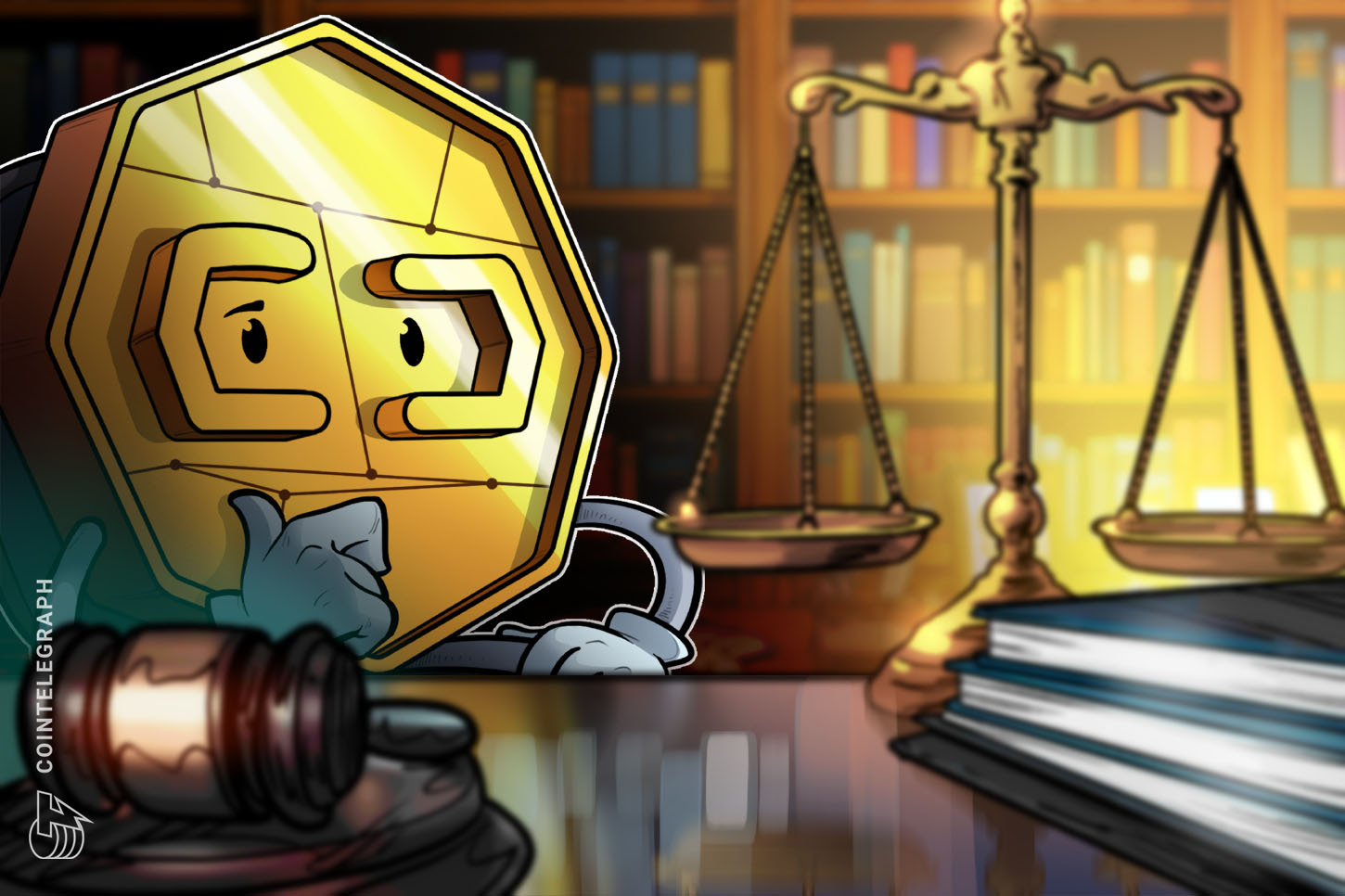
In September 2026, the estate of the bankrupt crypto lender Celsius filed a lawsuit against BitMEX and several affiliated companies. The complaint alleges that BitMEX “wrongfully liquidated and seized 6,360 BTC” during the March 2020 market crash, claiming the exchange’s liquidation engine sold positions at prices more than 24 % below the next‑best ask on other platforms. The lawsuit also points to a service disruption on March 13, 2020, suggesting that forced selling on BitMEX suppressed Bitcoin’s price and intensified the market sell‑off.
What it means for you
Liquidations are a built‑in risk of any leveraged trade. If the market moves sharply, you could lose more than the amount you initially deposited. The BitMEX case illustrates that:
- Liquidations can happen at prices far below the market rate, especially when many traders are forced to sell at once.
- Platform outages or technical issues may exacerbate price drops, leaving you with less favorable liquidation prices.
- Even if an exchange claims to have an insurance fund, that fund may not fully cover the losses of all liquidated positions.
Understanding these dynamics helps you gauge whether margin trading fits your risk tolerance and financial goals.
What to check / how to judge
- Maintenance margin requirements: Look for the exact percentage an exchange requires to keep a position open. Lower requirements mean higher leverage but also a higher chance of liquidation.
- Liquidation engine transparency: Reputable platforms publish how they calculate liquidation prices and whether they use market orders or internal matching. A clear policy reduces surprise.
- Insurance fund size and rules: Check how large the fund is relative to the platform’s total open interest and what conditions trigger its use.
- Historical outage record: Frequent or prolonged service disruptions increase the risk of forced liquidations at unfavorable prices.
- Order‑book depth: Thin order books can cause large slippage during rapid sell‑offs. Exchanges that aggregate liquidity from multiple venues usually offer better price stability.
FAQ
What triggers a liquidation?
A liquidation is triggered when the value of your collateral falls below the maintenance margin level set by the exchange. At that point, the platform automatically sells enough of your position to bring the loan back into compliance.
Can I stop a liquidation once it starts?
Most platforms do not allow you to cancel a liquidation once the engine has issued the sell order. The only way to avoid it is to add more collateral or close the position manually before the maintenance margin is breached.
Do all exchanges handle liquidations the same way?
No. Some use market orders that can cause significant price slippage, while others employ auction mechanisms or partial liquidations to reduce impact. Review each exchange’s liquidation policy before trading.
Is an insurance fund a guarantee that I won’t lose my collateral?
An insurance fund can cover shortfalls when a liquidation exceeds the trader’s collateral, but it is not a guarantee. The fund’s size, the platform’s risk management, and the severity of market moves all affect its ability to compensate users.
This article references reporting from cointelegraph.com.