Wondering why a change in U.S. interest rates can make your crypto portfolio wobble? This article explains how monetary policy moves affect crypto prices, mining profitability, and passive‑income strategies, so you can anticipate the ripple effects on your online earnings.
What a Federal Reserve rate hike actually means
The Federal Reserve (the “Fed”) sets the benchmark federal funds rate, which is the interest rate banks charge each other for overnight loans. When the Fed raises this rate, borrowing becomes more expensive across the economy. Higher rates also make risk‑free assets like U.S. Treasury bonds more attractive because they now offer better yields.
Cryptocurrencies are considered risk assets. Investors compare the potential return of holding a volatile token with the guaranteed return of a Treasury bond. If the bond yield climbs, the relative appeal of a risky crypto drops, often leading to price corrections. Conversely, when rates fall, the opportunity cost of holding crypto shrinks, which can buoy prices.
Why the Fed’s moves matter for miners and stakers
Mining profitability depends on two main variables: the price of the mined coin and the cost of electricity (or, more broadly, the cost of running hardware). A rate hike that pushes crypto prices down reduces the revenue per block, squeezing margins. At the same time, higher rates can increase the cost of financing mining equipment, because loans become pricier.
Staking—earning rewards by locking up a proof‑of‑stake (PoS) token—faces a similar dynamic. Stakers earn a staking reward rate, often expressed as an annual percentage yield (APY). When traditional yields rise, the APY offered by a staking protocol must stay competitive to keep participants interested. If a protocol’s reward rate lags behind the new risk‑free rate, some users may withdraw and move capital to higher‑yielding, lower‑risk options.
Real‑world illustration
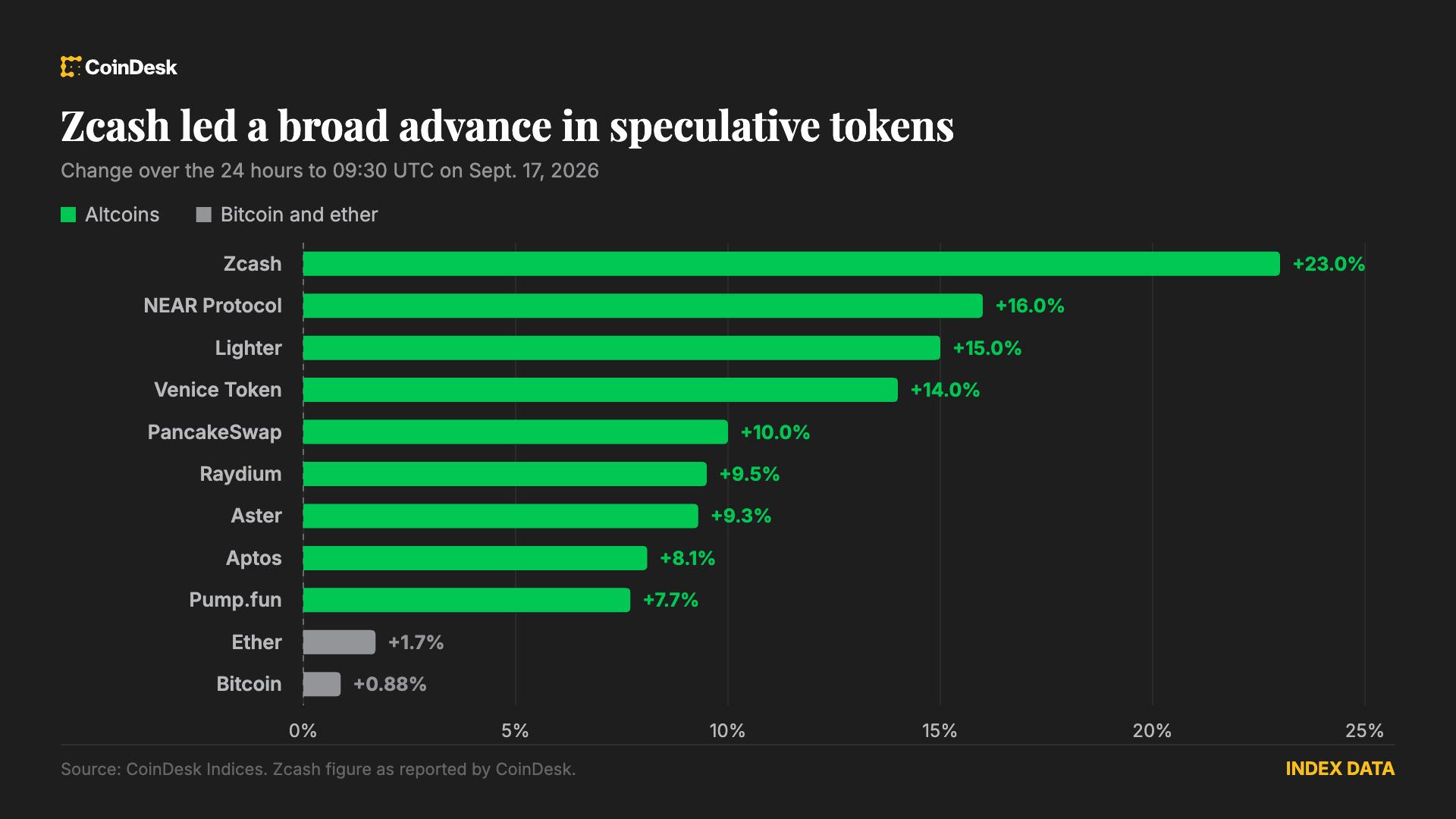
In March 2026, the Federal Reserve raised rates by 25 basis points, marking its first increase since July 2023. The move was widely expected to tighten liquidity and strengthen the U.S. dollar. Despite the hike, many crypto assets rallied: Zcash jumped 23% and Bitcoin showed modest gains, while other tokens also rose. Analysts attributed the surge to a combination of short‑term market sentiment, ongoing institutional buying, and the fact that the rate increase was relatively modest.
This episode shows that a single rate hike does not guarantee a crypto decline, but it does create a backdrop that influences price trends, mining economics, and staking decisions.
What it means for you as an online earner
- Mining income may become tighter. If the price of the coin you mine falls after a rate hike, your revenue per megawatt‑hour drops. You may need to improve efficiency, switch to a more profitable coin, or consider cloud‑mining services that can spread the cost.
- Staking rewards need comparison. Before locking up tokens, compare the protocol’s APY with prevailing Treasury yields or other low‑risk fixed‑income products. A staking APY that barely exceeds the risk‑free rate may not justify the opportunity cost.
- Diversification helps. Holding a mix of assets—some with low correlation to interest‑rate movements (e.g., certain stablecoins or tokenized real‑world assets) and some with higher growth potential—can smooth earnings over rate‑cycle swings.
- Watch financing costs. If you finance mining hardware with a loan, a higher Fed rate can raise your monthly payments. Re‑evaluate whether the expected mining profit still covers the debt service.
How to evaluate the impact of a rate change
- Check the new benchmark yield. Look up the latest Fed funds rate and the yield on comparable Treasury securities (e.g., 2‑year notes). This gives you a baseline for “risk‑free” returns.
- Compare crypto price trends. Use a charting tool to see how the price of the coin you mine or stake has moved since the rate announcement. Look for correlation with the yield gap.
- Calculate net mining profit. Subtract electricity and financing costs from the coin’s revenue per day. If the net profit falls below a comfortable margin, consider scaling back.
- Review staking APY vs. risk‑free rate. A simple rule of thumb is to aim for a staking APY at least 2–3 percentage points higher than the Treasury yield for comparable risk.
- Monitor market sentiment. News outlets, social‑media sentiment trackers, and on‑chain metrics (like hash rate or staking participation) can signal whether the market is already pricing in the rate change.
FAQ
Will every Fed rate hike cause crypto prices to fall?
No. The effect depends on the size of the hike, existing market sentiment, and other macro factors such as inflation data or geopolitical events. Small, anticipated hikes often have muted impact, while large, surprise hikes can trigger sharper corrections.
How can I protect my mining income from rate‑driven price drops?
Focus on efficiency: use low‑cost electricity, optimize hardware settings, and consider mining coins with higher price volatility but better margins. Diversifying into cloud‑mining contracts can also spread risk.
Is staking still worthwhile when Treasury yields rise?
Staking can remain attractive if the protocol’s APY stays comfortably above the risk‑free rate and if you believe in the long‑term utility of the token. Always factor in lock‑up periods and potential token price changes.
Should I shift my crypto earnings into stablecoins during a rate‑hike cycle?
Stablecoins can provide a hedge against volatility, but they typically offer low yields. If you need liquidity and want to preserve capital while rates rise, moving a portion of earnings into a stablecoin may make sense, especially if you can earn interest through reputable lending platforms.
This article references reporting from coindesk.com.