Are you curious whether an NFT collection is worth your time or money? This article explains the key factors that determine an NFT’s utility, longevity, and potential for earning, so you can make informed decisions before buying.
What an NFT Really Is
An NFT, or non‑fungible token, is a unique digital certificate stored on a blockchain that proves ownership of a specific asset—often digital art, collectibles, or access rights. Unlike cryptocurrencies such as Bitcoin, which are interchangeable, each NFT has distinct attributes that set it apart. The blockchain records the token’s provenance, ensuring that ownership cannot be duplicated or altered without consensus from the network.
Beyond the “digital collectible” label, NFTs can provide utility. Utility may include exclusive access to events, rights to physical goods, participation in a community, or integration into virtual worlds (the “metaverse”). The value of an NFT therefore depends not only on its rarity but also on the benefits the issuer promises and actually delivers.
Key Factors to Assess Before Buying
- Clear Utility: Does the project outline specific, tangible benefits for holders (e.g., event tickets, product discounts, in‑game items)? Vague promises often lead to disappointment.
- Supply and Scarcity: A limited supply can create scarcity, but only if demand exists. Over‑minted collections dilute value.
- Community Engagement: Active, transparent communication and a vibrant community indicate ongoing support. Look for regular updates, responsive developers, and meaningful interaction.
- Roadmap Realism: A detailed roadmap with realistic milestones shows planning. Compare promised features with what has already been delivered.
- Secondary Market Activity: Trading volume on platforms like OpenSea can signal interest, but watch for sharp declines that may suggest waning demand.
- Legal and Brand Risks: Projects tied to established brands must have proper licensing. Unauthorized use can result in legal action and loss of value.
Real‑World Illustration: Porsche’s NFT Initiative
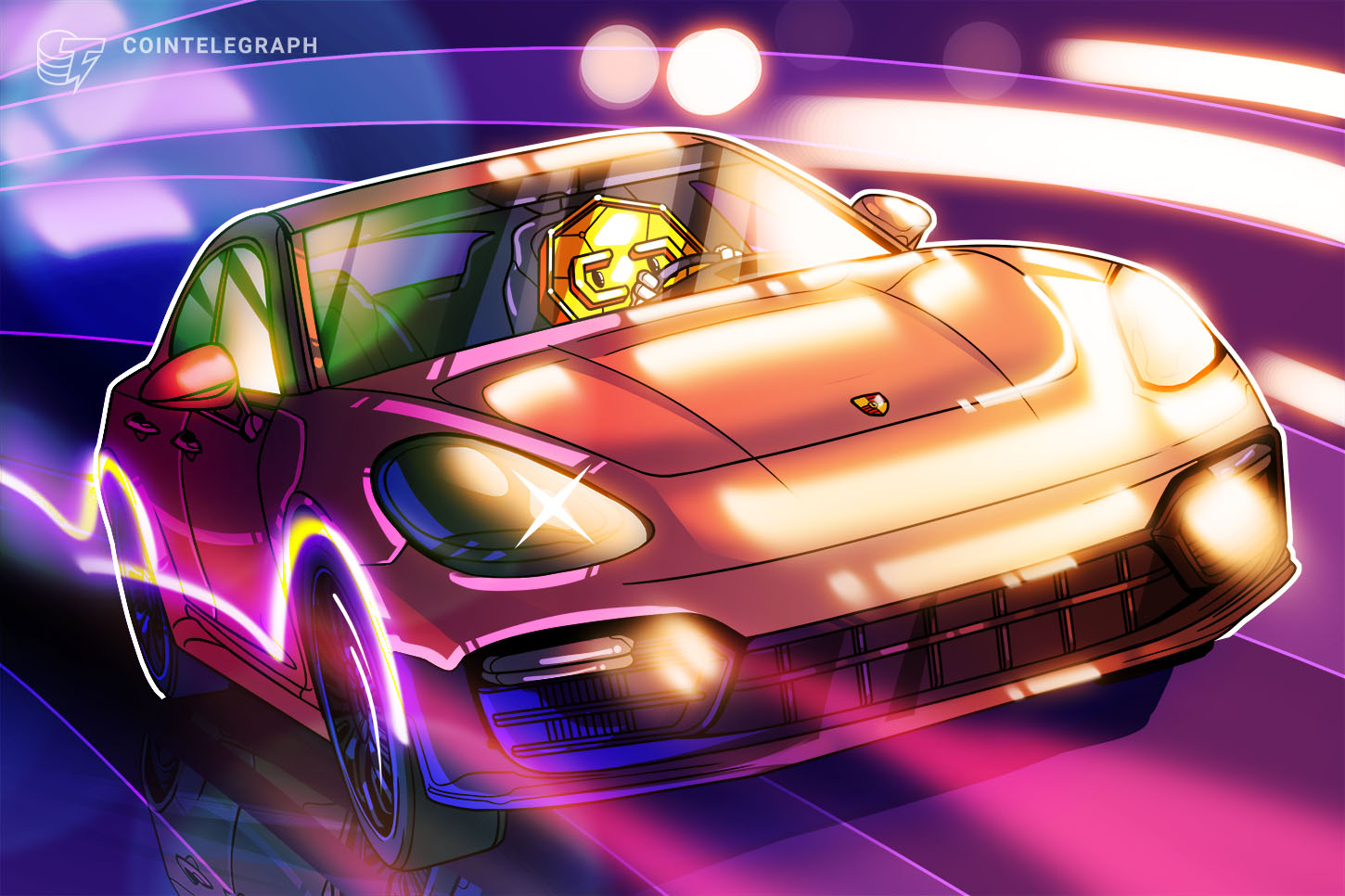
In January 2023, the automaker Porsche launched a 911 NFT collection with a planned supply of 7,500 tokens. The project was promoted as a “long‑haul” Web3 venture, promising community events, metaverse experiences, and potential supply‑chain integrations. However, after complaints about pricing and limited utility, Porsche halted minting, leaving only 2,363 NFTs in circulation.
Trading activity quickly fell. While the collection amassed roughly $20 million in total volume, activity in the most recent year dropped to about $38 000, and only $2 900 in the past month, according to OpenSea data. In October 2026, Porsche announced the winding down of the project and its Pioneers Circle community, converting the Discord server to a read‑only archive and ceasing updates on its X account. The NFTs remain on‑chain, but the promised ecosystem never fully materialized.
What This Means for You
The Porsche case highlights the importance of scrutinizing a project’s utility and delivery track record. Even a globally recognized brand can struggle to create lasting value if the NFT’s benefits are unclear or unfulfilled. As a potential buyer, you should ask whether the NFT offers something you can actually use or enjoy beyond mere ownership.
If you are looking for passive income or “earning” opportunities, focus on collections that generate ongoing rewards—such as royalty shares, staking mechanisms, or access to revenue‑generating platforms. Projects that simply rely on speculative resale are riskier, especially when community support dwindles.
How to Judge an NFT Project
- Read the whitepaper or official documentation. Verify that utility claims are specific and measurable.
- Check the issuer’s credentials. Established brands should have clear licensing agreements; newer teams should have transparent developer identities.
- Analyze the roadmap. Compare announced milestones with what has already been delivered.
- Monitor secondary‑market data. Consistent trading volume and price stability suggest sustained interest.
- Engage with the community. Join Discord or Telegram channels to gauge activity and ask direct questions.
- Assess risk. Remember that NFTs are illiquid and can lose value quickly; never invest more than you can afford to lose.
FAQ
Do NFTs generate passive income?
Some NFTs include built‑in mechanisms like royalty payouts, staking rewards, or access to revenue‑sharing platforms. However, many are purely collectible, so income depends on the specific project.
Can I sell an NFT if the project stops updating?
Yes, you can list it on secondary markets, but demand may drop if the community loses interest or the utility disappears, potentially lowering the resale price.
Is brand association enough to guarantee NFT value?
No. Even well‑known brands need to deliver concrete benefits. Without clear utility or active support, the NFT’s value can erode quickly, as seen with Porsche’s 911 collection.
What red flags should I watch for?
Red flags include vague utility promises, halted development, lack of transparent licensing, sudden drops in trading volume, and a community that is silent or disengaged.
This article references reporting from cointelegraph.com.