Wondering why a court in one country can’t always decide who gets back stolen or seized cryptocurrency? This article explains how legal jurisdiction determines the rules that govern ownership claims on crypto assets, and what that means for anyone trying to recover lost funds.
What jurisdiction means for crypto assets
In legal terms, jurisdiction is the authority of a court to hear a case and apply its laws. For traditional assets like cash or property, the location where the transaction occurred, where the parties live, or where the asset is held usually decides which law applies. Crypto assets, however, exist on a global, decentralized network, which makes pinpointing a “location” more complex. Courts therefore look at factors such as:
- Place of contract formation: Where the parties agreed to the transaction.
- Place of performance: Where the asset was transferred or the service rendered.
- Residence or domicile of the parties: The legal home of the buyer, seller, or victim.
- Location of the seized asset: The physical server, exchange, or wallet that authorities have control over.
When a dispute involves multiple countries, courts may apply conflict-of-law rules to decide which nation’s substantive law governs the ownership question. The chosen law then determines whether a claimant can be recognized as the legal owner of the crypto, or only as a creditor entitled to compensation.
Real‑world illustration
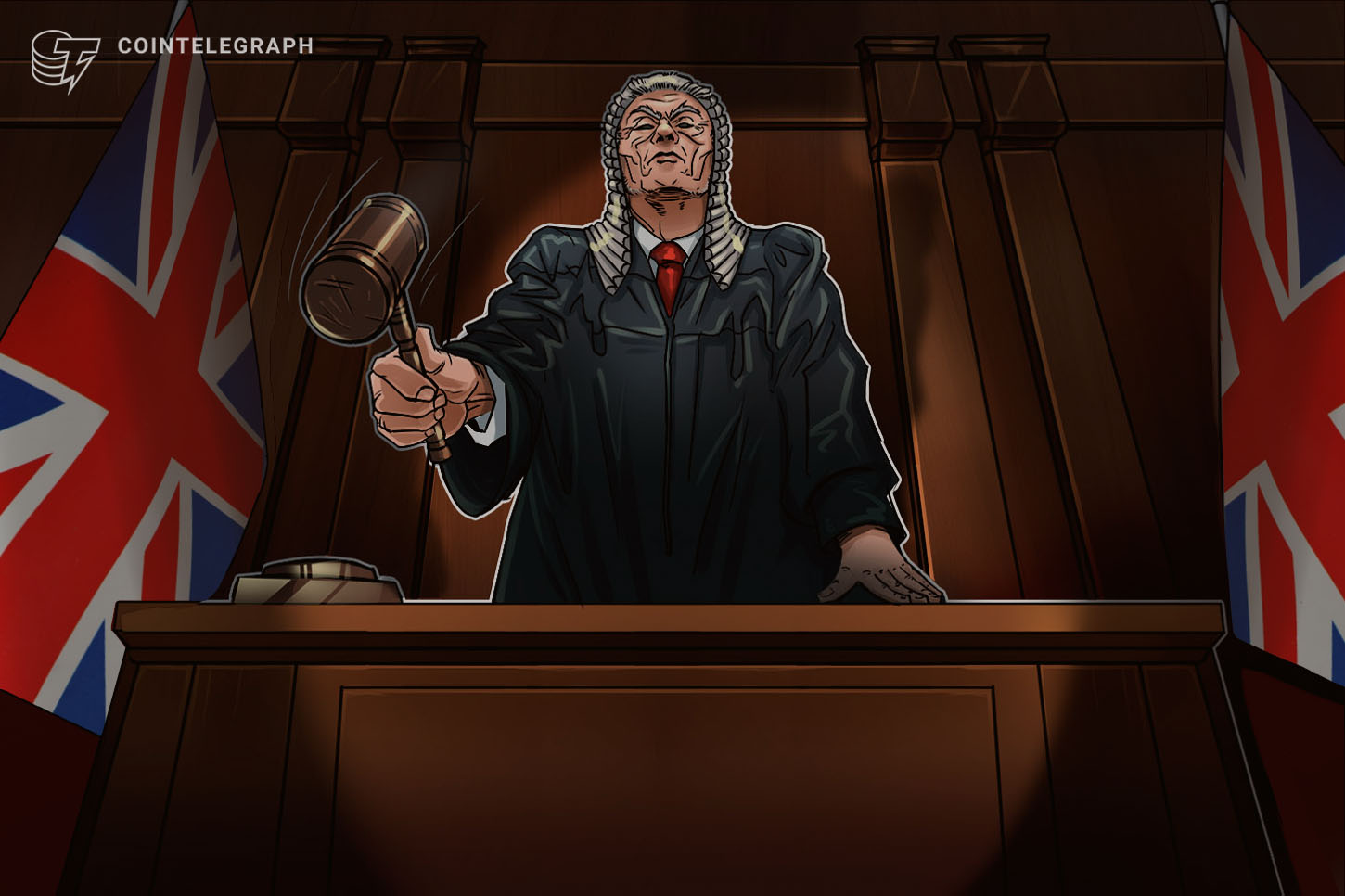
In October 2026, the High Court in London faced a dispute over 61,000 Bitcoin that British authorities had seized during a money‑laundering investigation. The victims, Chinese investors defrauded between 2014 and 2017, argued that English law should apply so they could claim direct ownership of the Bitcoin. Justice Mark Turner rejected this, stating that “the relevant damage occurred in China” and that “the contractual relationships … were entered into in China.” Consequently, the court ruled that Chinese law must determine whether the victims have property rights in the seized Bitcoin. The case remains in the UK court, but the next stage will involve expert testimony on Chinese law to assess the victims’ ownership claims.
What this means for you
If you are trying to recover crypto lost to fraud, theft, or a government seizure, the jurisdictional rules can dramatically affect the outcome:
- Ownership vs. creditor status: Under some legal systems, you may be recognized as the outright owner of the crypto, allowing you to demand its return. Other systems treat you only as a creditor, limiting you to a monetary settlement that may be far less than the asset’s current market value.
- Speed of recovery: Courts that apply a jurisdiction favorable to claimants often move faster, while others may require lengthy expert testimony on foreign law.
- Enforcement challenges: Even if a court awards you ownership, actually retrieving the crypto can be difficult if the asset is held by a foreign authority or exchange that does not cooperate.
How to assess the jurisdictional landscape
- Identify where the contract was formed: Look at the platform’s terms of service, the IP addresses used, and any language indicating the governing law.
- Determine where the damage occurred: For fraud, this is often the victim’s location; for seizures, it may be where the authorities took control of the asset.
- Check the residence of the parties: Courts may favor the law of the plaintiff’s domicile, especially in consumer‑protection contexts.
- Consult a legal expert: Cross‑border crypto cases are nuanced; a lawyer familiar with both the relevant jurisdictions can advise on the strongest claim strategy.
- Consider alternative dispute mechanisms: Arbitration clauses or international settlement schemes can sometimes bypass unfavourable national courts.
FAQ
Can I choose which country’s law applies to my crypto dispute?
Usually not. The applicable law is determined by the court based on conflict‑of‑law principles, which consider where the contract was made, performed, and where the parties reside.
What if the court that has jurisdiction cannot enforce its judgment?
If the asset is held in a different country, you may need to seek recognition and enforcement of the judgment in that jurisdiction, which can be a lengthy and uncertain process.
Does owning a crypto wallet give me stronger legal rights than holding crypto on an exchange?
Ownership of a private wallet can simplify the proof of ownership, but legal rights still depend on the governing law. Exchanges often have their own terms that may limit liability, so the jurisdictional analysis remains essential.
Are there any protections for small investors in cross‑border crypto fraud cases?
Some jurisdictions have consumer‑protection statutes that favour individual claimants, but many cases still require collective actions or redress schemes, which are subject to the same jurisdictional rules.
This article references reporting from cointelegraph.com.