Are you wondering why Bitcoin seems to hold its value when other cryptocurrencies tumble? This article explains the factors that make Bitcoin a go‑to asset during market stress and how you can think about it when planning your online earnings.
What makes Bitcoin different?
Bitcoin is the first and largest cryptocurrency by market capitalization. Its market cap—the total value of all coins in circulation—provides a deep pool of liquidity, meaning large trades can happen without dramatically moving the price. Bitcoin also has the most widely distributed network of miners and nodes, which contributes to its security and resilience.
Because it is the most recognized digital asset, institutional investors treat it like a “digital gold.” The term “safe haven” refers to an asset that retains value or even appreciates when broader markets are falling. Bitcoin’s reputation as a store of value stems from three core traits:
- Scarcity: The protocol caps supply at 21 million coins, creating a predictable, finite supply.
- Network effect: More users, developers, and businesses accept Bitcoin, reinforcing its utility and demand.
- Regulatory visibility: Regulators worldwide focus on Bitcoin first, giving it a clearer legal standing than many newer tokens.
How Bitcoin’s price reacts to market stress
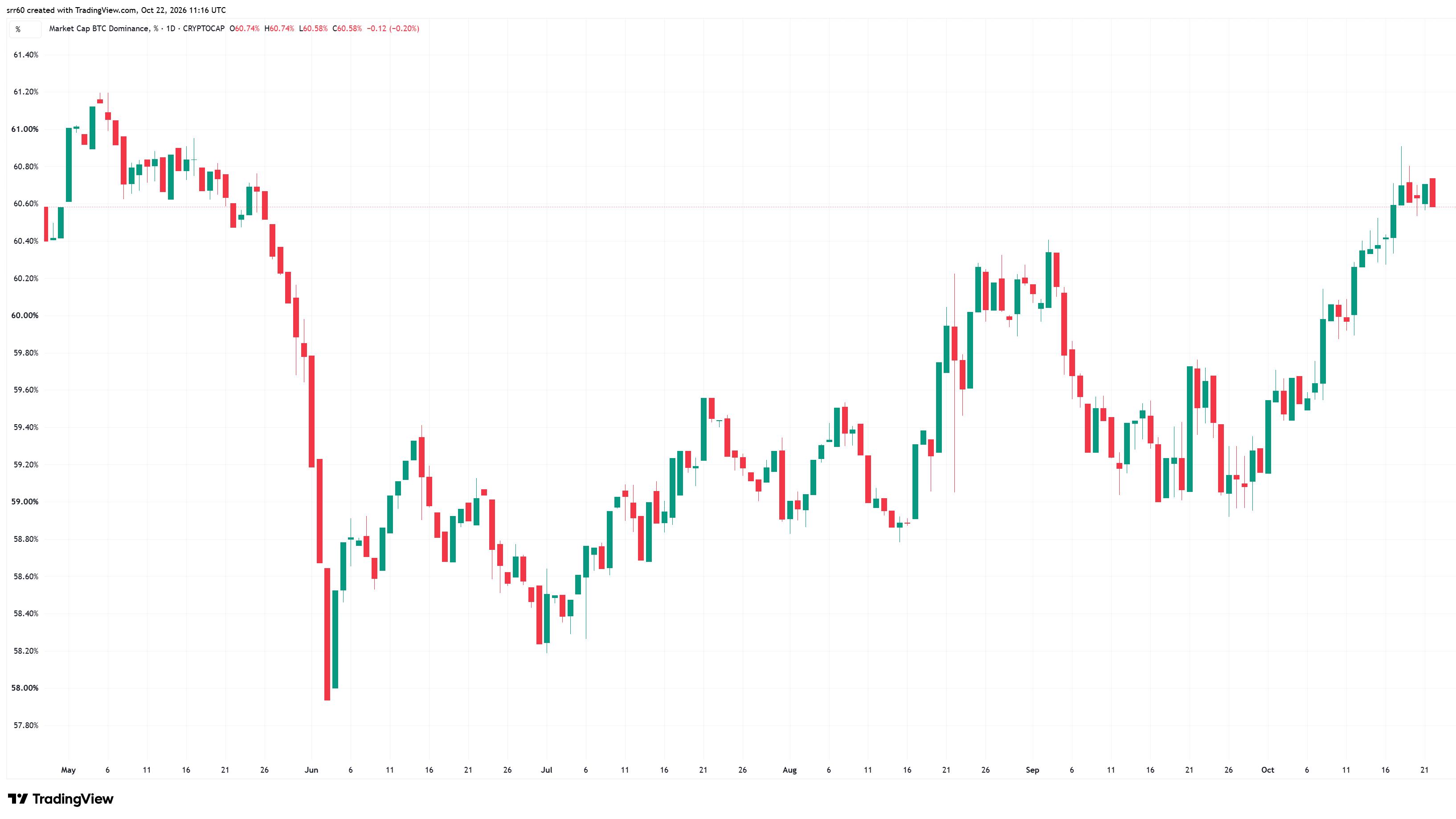
When risk appetite drops—due to macro‑economic concerns, geopolitical events, or sector‑specific news—traders often shift capital from higher‑risk assets (like many altcoins) into assets they perceive as more stable. In crypto, that shift usually means buying Bitcoin or holding it in a wallet instead of selling.
Altcoins tend to have smaller market caps and less liquidity, so price swings can be extreme. A sudden sell‑off in a popular DeFi token can trigger a cascade of margin calls and liquidations, amplifying the decline. Bitcoin’s larger depth absorbs pressure more gently, so its price may dip less sharply or even rise as investors reallocate.
Real‑world illustration
In March 2026, Bitcoin slipped below $82,000 while many DeFi tokens posted steep declines. At the same time, Bitcoin exchange‑traded funds (ETFs) attracted $1.08 billion in three days, showing that institutional money was flowing into Bitcoin‑linked products even as the broader crypto market faltered. The influx of ETF capital helped cushion Bitcoin’s price, illustrating how “safe‑haven” behavior can manifest in real time.
What this means for you
If you are looking to earn online through crypto—whether by staking, cloud mining, or holding assets for price appreciation—understanding Bitcoin’s safe‑haven role can guide your risk management:
- During periods of high volatility, allocating a portion of your portfolio to Bitcoin may reduce overall swings.
- Bitcoin‑linked products such as ETFs or custodial interest‑bearing accounts can provide exposure without the need to manage private keys.
- Because Bitcoin’s price moves more slowly than many altcoins, it can serve as a “parking spot” while you wait for clearer market signals.
How to evaluate Bitcoin’s safe‑haven potential
Before relying on Bitcoin as a hedge, consider these checkpoints:
- Liquidity: Check the average daily trading volume on major exchanges. Higher volume means you can enter or exit positions with less slippage.
- Institutional participation: Look for ETF inflows, custody services, and corporate balance‑sheet holdings. Growing institutional interest often signals broader acceptance.
- Correlation analysis: Compare Bitcoin’s price movements with major indices (e.g., S&P 500) and other crypto assets over the past 30 days. A lower correlation suggests better diversification.
- Regulatory environment: Stay informed about jurisdictional rulings that affect Bitcoin’s legal status. Clearer regulation tends to support its safe‑haven narrative.
FAQ
Is Bitcoin truly risk‑free?
No. Bitcoin can still experience significant price drops, especially during extreme market events. It is less volatile than many altcoins, but it remains an investment with risk.
Do Bitcoin ETFs provide the same protection as holding Bitcoin directly?
ETFs give you exposure to Bitcoin’s price without managing private keys, and they benefit from institutional custody. However, they may charge management fees and are subject to the fund’s structure, which can affect returns.
How much of my portfolio should be in Bitcoin for a safe‑haven strategy?
The ideal allocation depends on your risk tolerance and financial goals. A common approach is to keep 10‑30 % of crypto exposure in Bitcoin, but you should adjust based on personal circumstances.
Can altcoins ever serve as a safe haven?
Generally, altcoins lack the liquidity, market depth, and broad acceptance that give Bitcoin its safe‑haven reputation. Some stablecoins aim to provide price stability, but they function differently and carry their own risks.
This article references reporting from coindesk.com.