Are you wondering how artificial intelligence could affect your ability to earn crypto online? This article explains what AI agents are, how they interact with blockchain ecosystems, and what that means for anyone looking to generate passive income through crypto.
What an AI agent actually is
An AI agent is a software program that can make decisions and act on behalf of a user without constant human supervision. Think of it as a virtual assistant that not only answers questions but also executes tasks such as buying a token, moving funds, or interacting with a smart contract. These agents rely on machine‑learning models, natural‑language processing, and sometimes on‑chain data feeds to determine the best action at any moment.
In the crypto world, an AI agent can be programmed to:
- Monitor price movements and place trades automatically.
- Execute payments in crypto when certain conditions are met (for example, paying a freelancer when a project milestone is completed).
- Interact with tokenized assets—digital representations of real‑world items like real estate, art, or carbon credits—by buying, selling, or staking them.
Because the agent operates continuously, it can act 24/7, reacting to market changes faster than a human could. This capability is often compared to the way smartphone apps transformed the way we use the internet; AI agents are poised to do the same for crypto.
How AI agents drive demand for crypto
When an AI agent needs to move value, it typically does so using a cryptocurrency that can be transferred instantly and at low cost. This creates two feedback loops:
- Increased transaction volume. More agents mean more payments, swaps, and interactions with decentralized finance (DeFi) protocols, which boosts overall network activity.
- Higher demand for tokenized assets. Agents can manage portfolios of tokenized securities, real‑world assets, or privacy‑focused coins, expanding the use cases beyond simple speculation.
These loops encourage developers to build more user‑friendly tools, further lowering the barrier for non‑technical people to participate. As a result, the ecosystem becomes more vibrant, and opportunities for earning—through staking, liquidity provision, or mining—grow alongside it.
Real‑world illustration
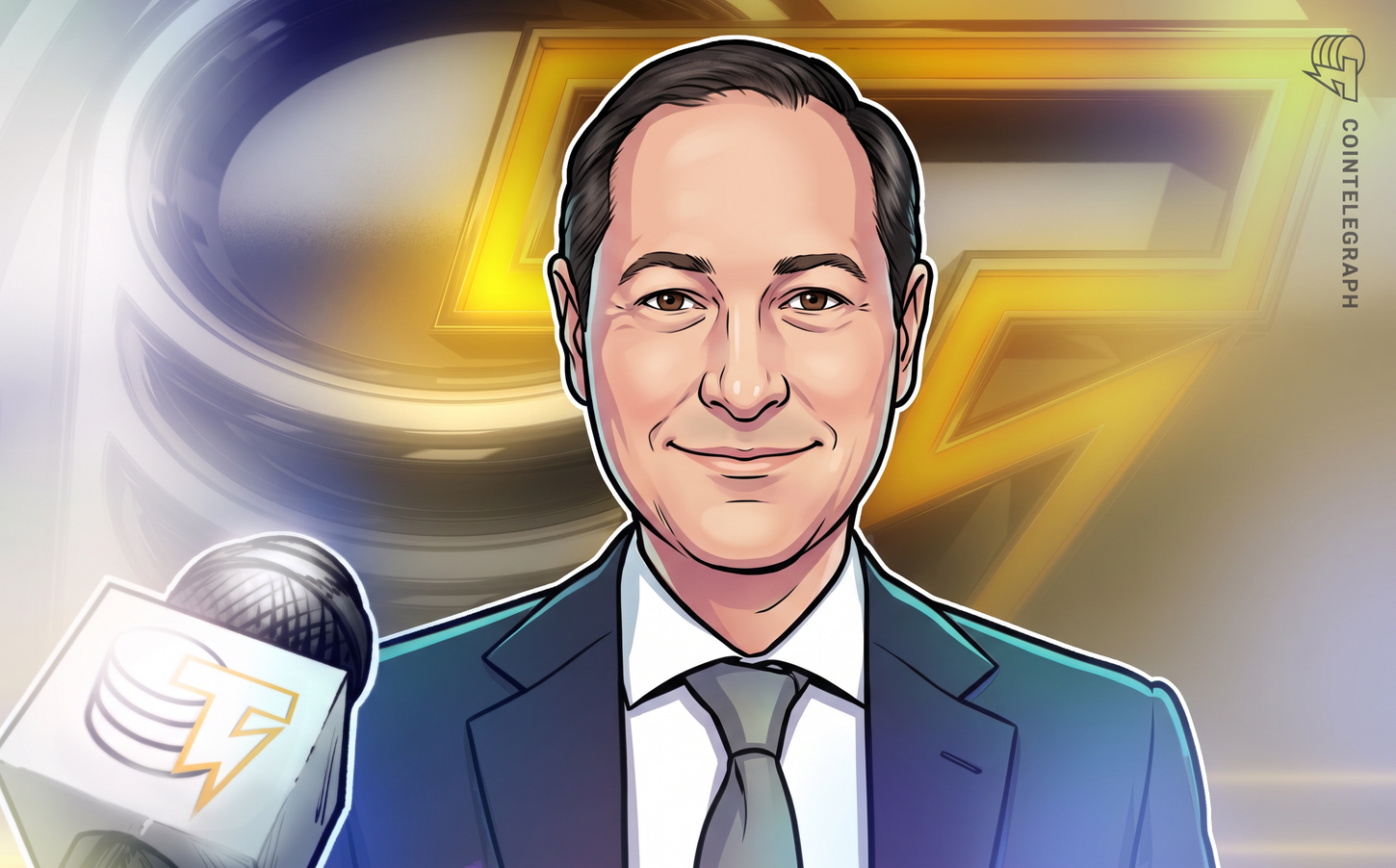
In an interview published on October 27, 2026, Wall Street veteran Jordi Visser explained that AI agents are “effectively the same as the App Store or the smartphone for crypto.” He noted that without AI, the current bull market in crypto would likely be weaker, and he has broadened his own holdings to include privacy‑focused tokens such as Zcash and Monero, which he believes will benefit from AI‑driven demand for secure identity solutions.
What this means for you
If you are looking to generate passive income, AI agents open several pathways:
- Automated staking. An agent can continuously monitor staking yields across multiple protocols and move your tokens to the highest‑return option without you lifting a finger.
- Liquidity mining. By automatically reallocating assets to the most profitable liquidity pools, an agent can help you capture higher fees and token rewards.
- Tokenized asset exposure. Agents can manage a diversified basket of tokenized real‑world assets, letting you earn yields from sectors like real estate or renewable energy without direct ownership.
Because the agent handles execution, you can focus on setting your risk parameters and goals, turning crypto earning into a more hands‑off activity.
How to evaluate AI‑driven crypto tools
Before trusting an AI agent with your funds, consider these checkpoints:
- Transparency of the algorithm. Look for platforms that disclose how the agent makes decisions, including data sources and risk controls.
- Security audits. Ensure the smart contracts the agent interacts with have been audited by reputable firms.
- Fee structure. Compare the agent’s service fees with the net returns you expect; hidden fees can erode passive income.
- Reputation and community feedback. Check user reviews and whether the team has a track record in both AI and blockchain.
- Custodial vs. non‑custodial. Non‑custodial agents let you retain private key control, reducing the risk of a single point of failure.
FAQ
Can I build my own AI agent?
Yes, if you have programming skills and understand both machine learning and blockchain APIs. Open‑source frameworks like LangChain and blockchain SDKs make it feasible, but you must still handle security and compliance yourself.
Do AI agents guarantee higher returns?
No. While agents can react faster to market changes, they are still subject to the same volatility and risk as any crypto investment. Their performance depends on the quality of the underlying strategy.
Is using an AI agent safe for my private keys?
Safety depends on whether the agent is custodial. Non‑custodial solutions let you keep your keys, but you must trust the code. Custodial agents hold your keys for you, which adds convenience but also introduces counterparty risk.
Will AI agents replace human traders?
AI agents complement rather than replace human decision‑making. They excel at executing predefined strategies, while humans are still needed to set goals, adjust risk tolerance, and respond to unexpected events.
This article references reporting from cointelegraph.com.