Are you wondering why Bitcoin’s price can jump or dip so dramatically and what that means for anyone trying to earn from mining? This article explains the key factors that move Bitcoin’s market price and how those movements affect the bottom line for miners.
What drives Bitcoin’s price?
Bitcoin’s price is set by supply and demand on global exchanges. When more people want to buy than sell, the price rises; when sellers outnumber buyers, it falls. Several forces shape that demand:
- Macro‑economic news. Inflation data, interest‑rate decisions, or geopolitical events can shift investors toward or away from risk assets like Bitcoin.
- Regulatory signals. Announcements about bans, licensing, or tax treatment influence how comfortable institutions feel about holding or trading Bitcoin.
- Market sentiment. Positive coverage, endorsements from high‑profile investors, or the launch of new financial products (such as exchange‑traded funds, or ETFs) can create buying pressure, while negative headlines or large sell‑offs generate fear.
- Technical factors. Large holders, known as “whales,” moving coins between wallets, or automated trading bots reacting to price thresholds, can cause rapid swings.
- Liquidity. Bitcoin trades on many venues, but the total market depth is still limited compared with fiat currencies. A sizable order can move the price more than it would in a deeper market.
Because Bitcoin’s supply is fixed at 21 million coins and new issuance slows over time (the “halving” cuts block rewards roughly every four years), the supply side is relatively predictable. Most price volatility therefore stems from changes on the demand side.
How price changes affect mining earnings
Mining is the process of validating Bitcoin transactions and adding them to the blockchain. Miners are rewarded with newly minted Bitcoin (the block reward) plus any transaction fees collected in the block. The profitability of a mining operation depends on three main variables:
- Revenue per megawatt‑hour. This is the value of the block reward and fees earned, expressed in USD, divided by the electricity used. When Bitcoin’s price rises, the USD value of each mined coin increases, boosting revenue.
- Operating costs. The biggest cost is electricity, followed by hardware depreciation, cooling, and facility expenses. These costs are usually quoted in USD per kilowatt‑hour.
- Network difficulty. The Bitcoin protocol adjusts the mining difficulty roughly every two weeks to keep block times around ten minutes. If many miners join because prices are high, difficulty rises, making each miner’s share of the reward smaller.
When Bitcoin’s price climbs, miners often see a short‑term profit surge because revenue outpaces the gradual rise in difficulty. Conversely, a sharp price drop can turn a previously profitable operation into a loss‑making one, especially if electricity costs are high.
Real‑world illustration
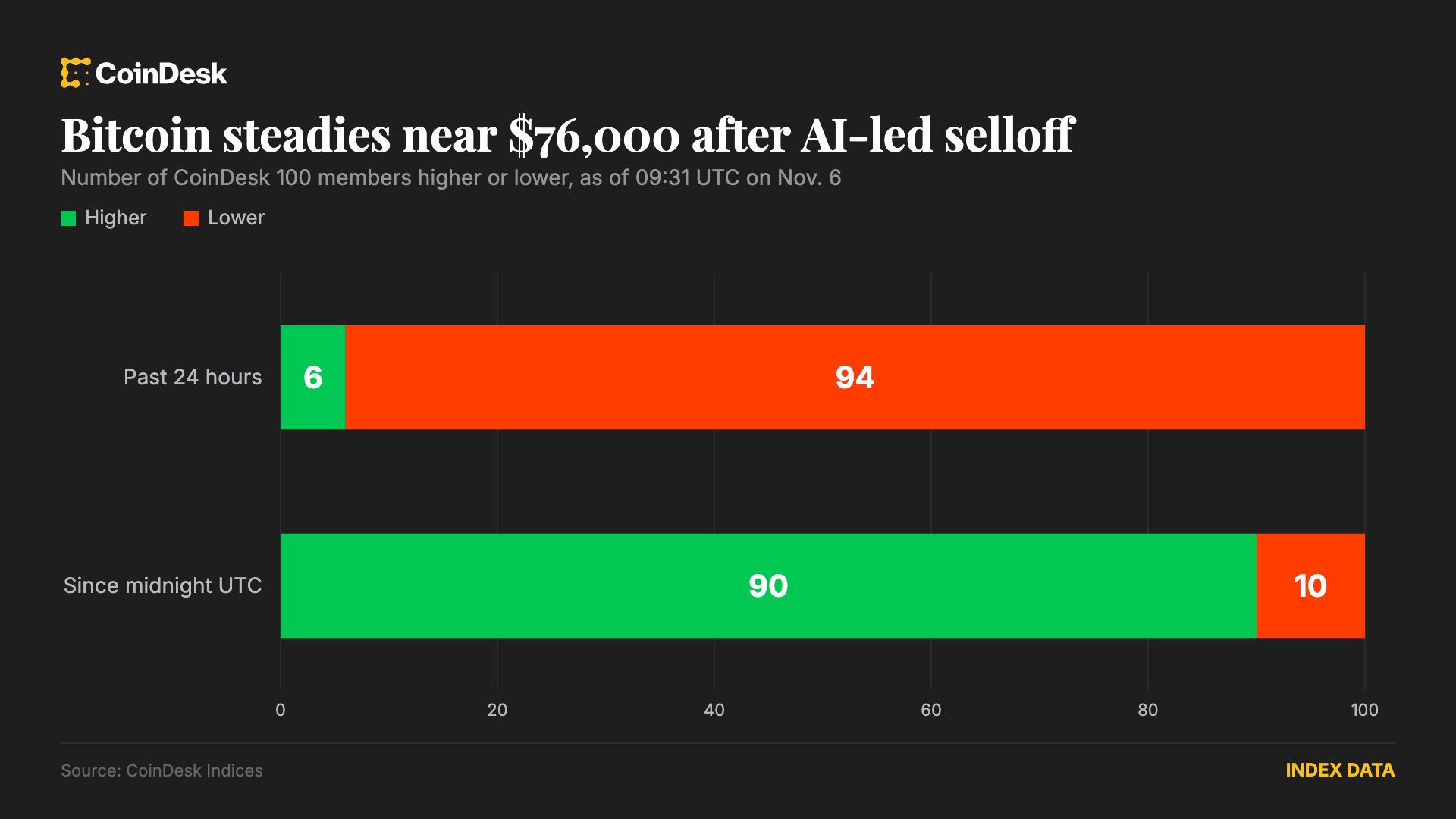
In March 2026, Bitcoin recovered above $76,000 after briefly slipping below that level during a tech‑driven market rout. The price dip was linked to a broader sell‑off in technology stocks, which reduced risk appetite across the board. When the price rebounded, miners who had kept their rigs running benefited from the higher USD value of each block reward, even though the network difficulty had not yet adjusted to the new price level.
What it means for you
If you are considering mining as a source of passive income, understand that your earnings will fluctuate with Bitcoin’s market price. A sudden price surge can improve cash flow, but the same volatility can also erode profits if the price falls sharply. Planning for these swings is essential:
- Calculate your break‑even electricity cost at different price points. This helps you know the price at which mining becomes unprofitable.
- Consider using a portion of your earnings to hedge against price drops, for example by converting some mined Bitcoin into stablecoins.
- Stay aware of upcoming difficulty adjustments, which typically occur every 2016 blocks (about two weeks). A rising difficulty can offset gains from a higher price.
How to evaluate a mining opportunity
Before committing capital, run a simple profitability check:
- Find the current Bitcoin price and estimate the block reward (6.25 BTC as of 2026) plus average transaction fees.
- Determine your expected hash rate (the speed at which your hardware solves puzzles) and the network’s current difficulty.
- Calculate the expected daily Bitcoin earnings using an online mining calculator.
- Convert that amount to USD using the current price, then subtract your estimated daily electricity cost.
- Compare the result to your break‑even price. If the margin is thin, consider the risk of a price dip before investing.
FAQ
Why does Bitcoin’s price react to tech‑stock movements?
Both Bitcoin and tech stocks are often viewed as growth‑oriented, risk‑on assets. When investors sell tech equities to reduce exposure, they may also liquidate Bitcoin, causing its price to fall.
Can I keep mining when the price is low?
Yes, but you need to ensure that your electricity cost per kilowatt‑hour is lower than the revenue you generate at the current price. Otherwise you will be operating at a loss.
How often does the network difficulty change?
The Bitcoin protocol adjusts difficulty every 2016 blocks, which is roughly every two weeks. This mechanism keeps block times stable despite changes in total hash power.
Is it worth switching to a different cryptocurrency if Bitcoin’s price drops?
Some miners move to coins with lower difficulty or higher rewards, but each blockchain has its own economics and risk profile. Evaluate the new coin’s price volatility, hardware compatibility, and energy consumption before switching.
This article references reporting from coindesk.com.