Ever wondered why a sudden price swing can wipe out millions in crypto positions? This article explains what liquidations are, how they happen, and what you should consider before exposing your capital to leveraged trading.
The plain explanation
A liquidation occurs when a trader’s leveraged position falls below the required margin level. In margin trading, you borrow funds to increase your exposure to an asset—say, buying $10,000 worth of Bitcoin with only $1,000 of your own money. The borrowed amount is called the leverage. Exchanges require you to maintain a certain maintenance margin, typically a small percentage of the total position. If the market moves against you and your equity (your own funds plus unrealized profit or loss) drops below that threshold, the exchange automatically closes, or “liquidates,” the position to protect the lender.
Liquidations serve two purposes: they prevent the borrower from defaulting on the loan, and they protect the exchange’s capital pool. The process is usually fast—often within seconds—so the trader cannot intervene. The forced sale can push the asset’s price further down, especially in thin markets, creating a cascade effect where multiple positions are liquidated in quick succession.
Key terms to know:
- Leverage ratio: The multiple of exposure to your own capital (e.g., 10x, 20x).
- Margin: The amount of your own capital posted to open a leveraged position.
- Maintenance margin: The minimum equity you must keep to avoid liquidation.
- Liquidation price: The price at which your position will be automatically closed.
A real example
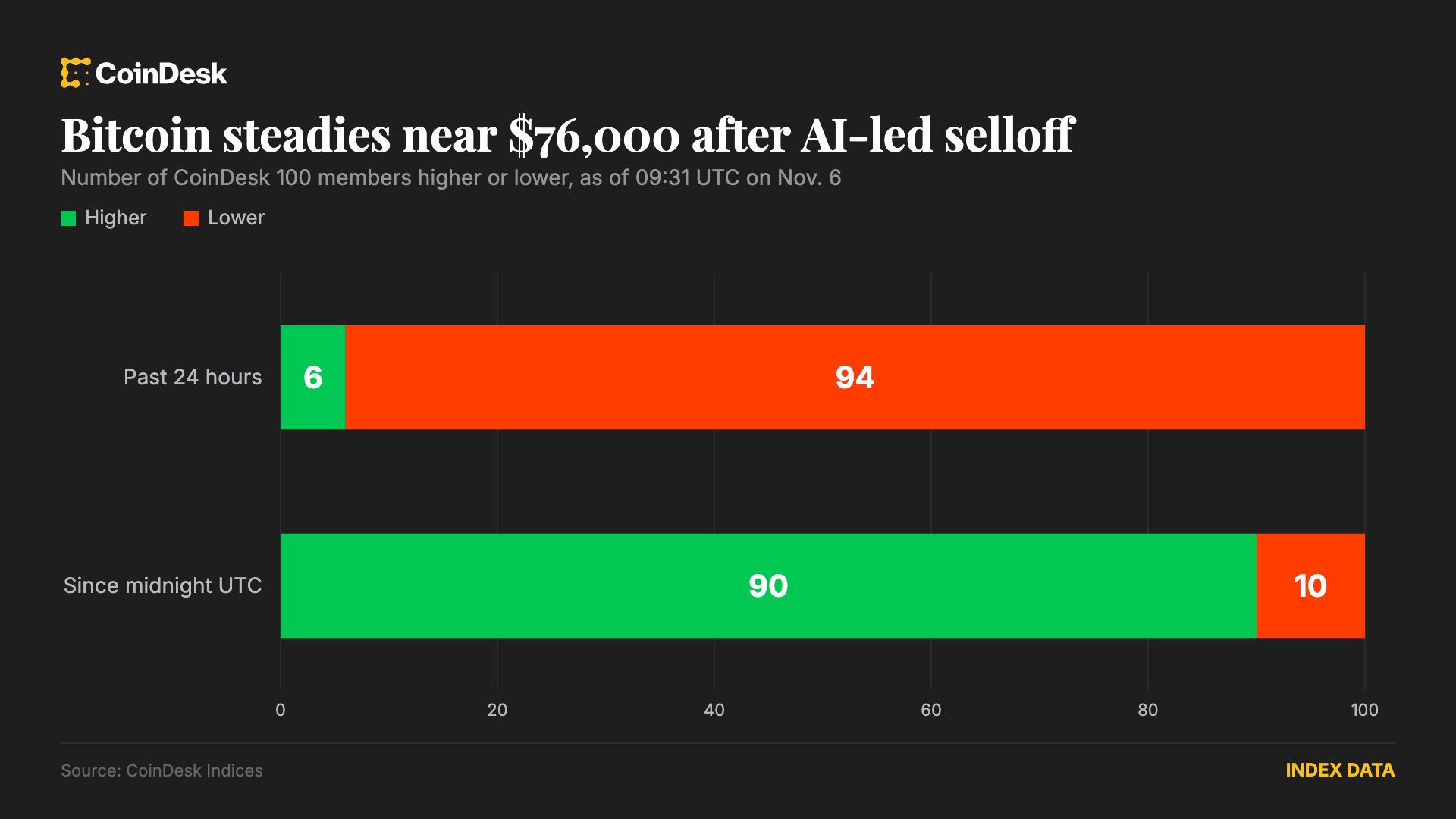
In March 2026, Bitcoin steadied after an AI‑led selloff that triggered more than $1 billion in liquidations. The rapid drop pushed the price from around $75,200 to lower levels, forcing many leveraged traders to have their positions closed by exchanges. The event highlighted how a sudden market shock—whether driven by algorithmic trading, news, or macro data—can cascade into massive forced sales.
What it means for you
If you are looking to earn passive income through crypto, understanding liquidations is crucial. While leveraged trading can amplify gains, it also magnifies losses. A sudden price move can erase your capital in minutes, leaving no opportunity for recovery. For those who prefer lower‑risk strategies—such as staking, cloud mining, or holding green crypto assets—avoiding high‑leverage products reduces exposure to liquidation risk.
Even if you are not directly trading on margin, liquidations can affect you indirectly. Large forced sales can depress the market price, impacting the value of any holdings you own. Being aware of market sentiment and potential triggers helps you time purchases or withdrawals more wisely.
What to check / how to judge
- Check the leverage level offered by the platform. Higher leverage means a lower liquidation price.
- Review the maintenance margin requirement. Exchanges that set a higher threshold give you a larger safety buffer.
- Look at the liquidity depth of the asset you plan to trade. Thin order books are more prone to price slippage during mass liquidations.
- Assess the risk management tools available—stop‑loss orders, auto‑deleveraging, and margin calls can give you more control.
- Consider the volatility history of the asset. Assets with frequent large swings increase the likelihood of liquidation events.
FAQ
What triggers a liquidation?
A liquidation is triggered when the value of your collateral falls below the maintenance margin set by the exchange, usually due to adverse price movement in the asset you are leveraged on.
Can I avoid liquidation completely?
You can avoid it by not using leverage, or by keeping a large enough margin buffer and using stop‑loss orders to exit positions before the equity drops too low.
Do liquidations affect the whole market?
Yes. When many positions are forced to close at once, the resulting sell orders can push the asset’s price lower, potentially creating a feedback loop that impacts all market participants.
Is leveraged trading suitable for earning passive income?
Generally, no. Passive income strategies aim for steady, low‑risk returns, while leveraged trading is active and high‑risk. If you seek consistent earnings, consider staking, cloud rewards, or green mining options instead.
This article references reporting from coindesk.com.