Do you wonder whether Bitcoin moves in lockstep with the stock market, and what that means for your crypto‑earning strategies? This article explains what correlation is, how it works between Bitcoin and equities, and why it matters for anyone looking to earn online through mining, staking, or cloud rewards.
What correlation means and how it works
Correlation is a statistical measure that shows how two assets move relative to each other. It is expressed as a number between ‑1 and +1. A value of +1 means the assets always move in the same direction, ‑1 means they move in opposite directions, and 0 means there is no consistent relationship.
When we talk about Bitcoin’s correlation with stock markets, we usually compare it to broad indexes such as the S&P 500 or the Nasdaq Composite. If Bitcoin’s price tends to rise when the S&P 500 rises, the correlation is positive. If Bitcoin falls while the S&P 500 climbs, the correlation is negative.
Correlation is not static; it changes over time based on market sentiment, macro‑economic events, and the flow of capital between asset classes. A higher positive correlation suggests that investors treat Bitcoin more like a traditional risk asset, while a low or negative correlation indicates that Bitcoin behaves more independently, sometimes described as a “digital gold.”
Real‑world illustration
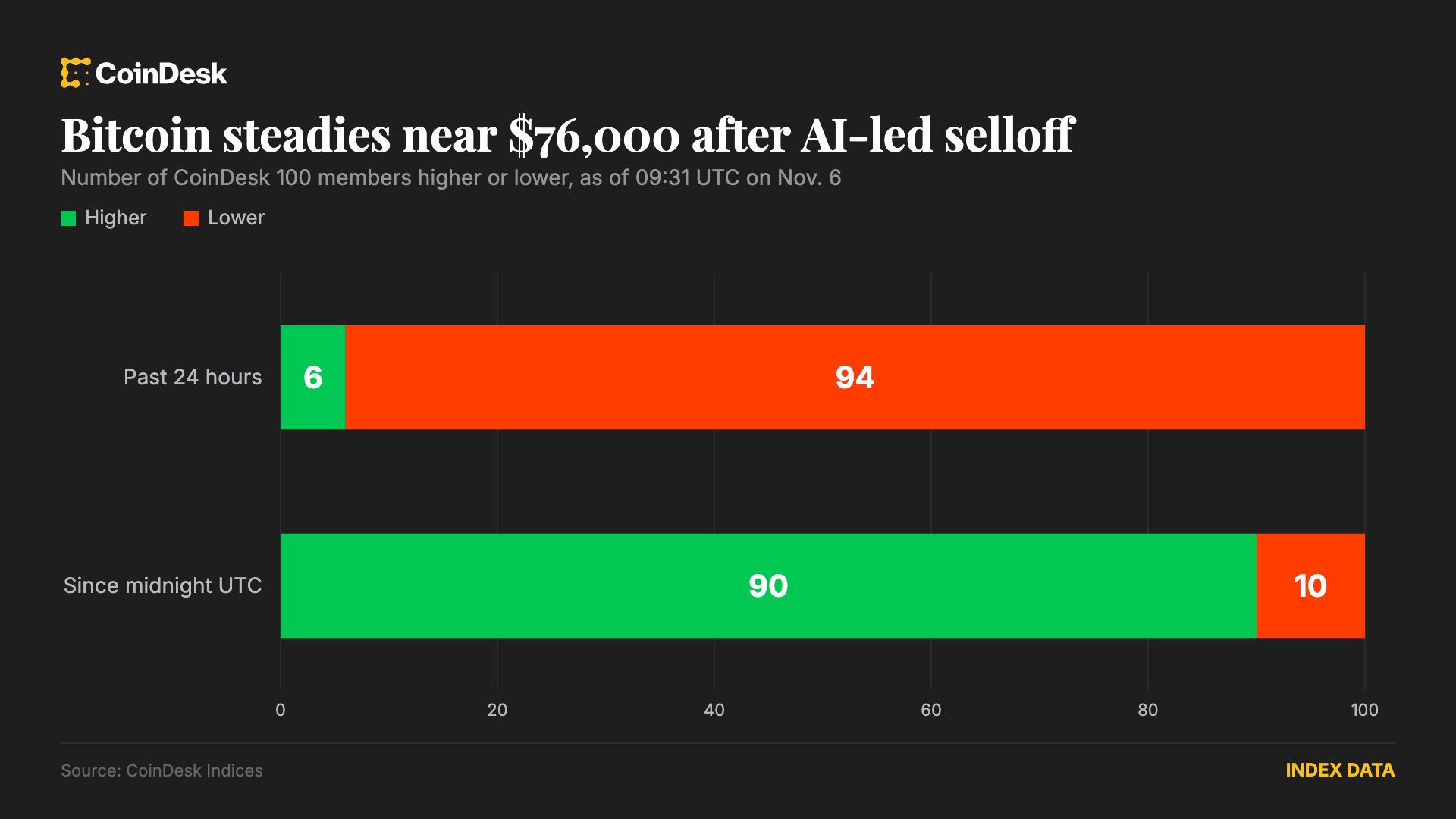
In November 2026, Bitcoin held above $75,000 after a sharp sell‑off in U.S. technology stocks spread to Asian markets. The article noted that Bitcoin’s price movement mirrored the broader market decline, with the cryptocurrency falling as much as 6.6% on a day when the Nasdaq Composite dropped 5.5% and the Philadelphia Semiconductor Index slid 12.2%.
Analysts observed that the correlation between Bitcoin and the S&P 500 had become more positive in recent months, meaning Bitcoin was reacting more like a conventional equity rather than an isolated digital asset.
What it means for you
If Bitcoin’s price moves closely with stock markets, the same forces that drive equity volatility—such as interest‑rate changes, election outcomes, or sector‑specific news—will also affect your crypto earnings. For miners, a dip in Bitcoin’s price reduces block rewards’ fiat value, potentially squeezing profitability unless electricity costs are very low.
Stakers and cloud‑reward platforms face similar exposure. When Bitcoin’s price drops, the fiat value of the staking rewards you receive also falls, even though the number of tokens earned stays the same. Conversely, a strong positive correlation can provide opportunities: a rally in equities may lift Bitcoin, boosting the dollar value of your passive income.
Understanding the current correlation helps you decide how much of your portfolio to allocate to crypto‑based earning versus traditional assets. If you prefer stability, you might keep a smaller crypto exposure when correlation is high. If you enjoy higher risk and potential upside, you could increase exposure during periods of low correlation.
What to check – practical steps
- Track the correlation coefficient. Websites that provide statistical data often publish a rolling 30‑day or 90‑day correlation between Bitcoin and major indexes. Look for trends rather than single‑day spikes.
- Monitor macro events. Elections, regulatory announcements, and major policy shifts can quickly alter correlation. Keep an eye on news that affects both tech stocks and crypto.
- Assess your cost structure. For mining, calculate break‑even electricity costs at different Bitcoin price levels. Higher correlation means you need a larger margin to stay profitable during equity downturns.
- Diversify earning sources. Combine mining, staking, and cloud‑reward platforms with non‑crypto income streams. Diversification reduces the impact of a single market’s movement on your overall earnings.
- Use hedging tools wisely. Futures or options on Bitcoin can offset price swings, but they also introduce complexity and fees. Only use them if you understand the risks.
FAQ
Is Bitcoin always positively correlated with stocks?
No. Correlation fluctuates. At times Bitcoin behaves independently, showing low or even negative correlation, especially during periods of high inflation or geopolitical tension.
Can a high correlation hurt my mining profits?
Yes. When equities fall, Bitcoin often falls too, reducing the fiat value of mined coins. If your electricity costs are fixed, a price drop can push you below the break‑even point.
Should I stop staking if correlation rises?
Not necessarily. Staking rewards are paid in the native token, so the number of tokens earned doesn’t change. Consider whether you’re comfortable with the potential fiat‑value fluctuation and adjust your overall portfolio allocation if needed.
How often does the correlation change?
It can shift noticeably within weeks, especially after major news events. Tracking a rolling 30‑day correlation gives a clearer picture of the current relationship.
This article references reporting from cointelegraph.com.