Are you worried that the crypto you keep on an exchange could be stolen? This article explains what cold storage is, how it protects digital assets, and what you should look for when choosing a platform to earn or trade.
What cold storage actually is
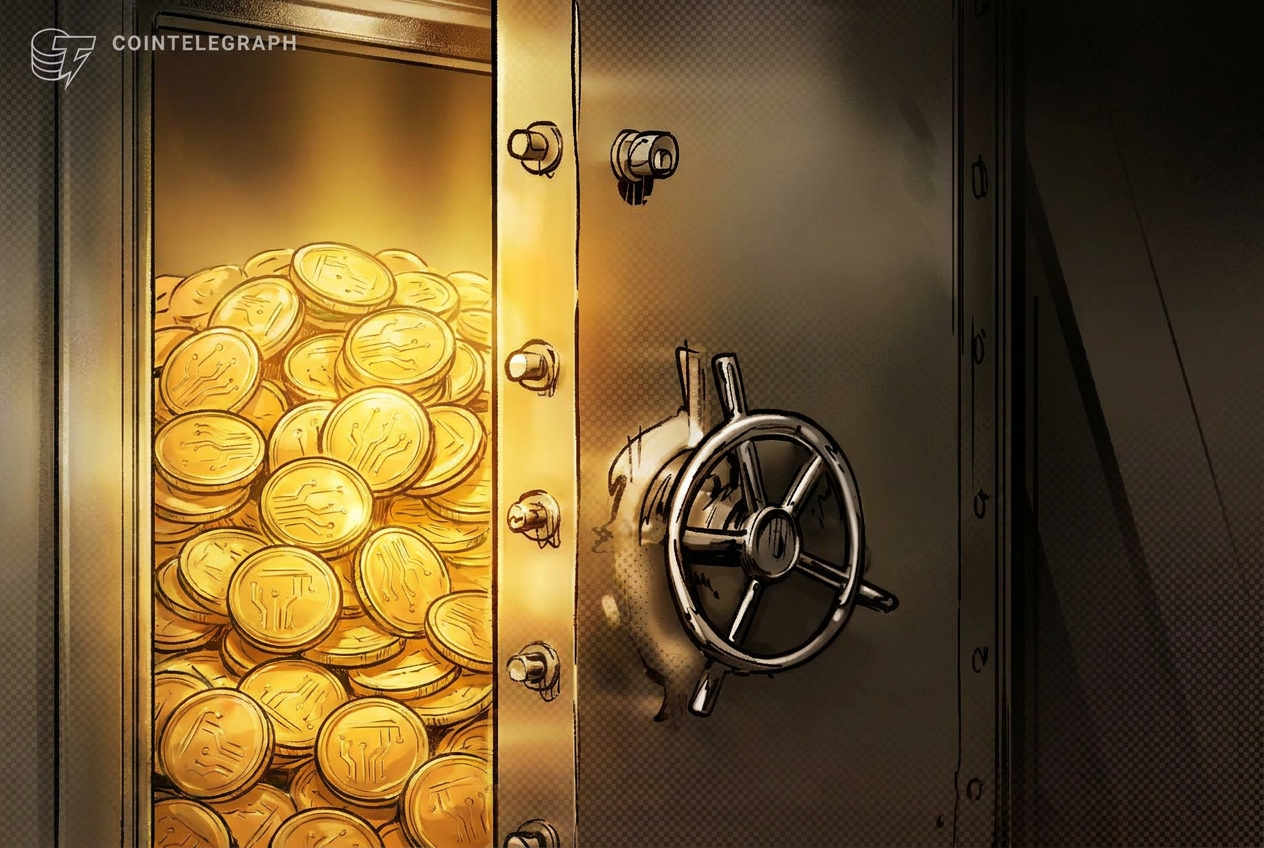
Cold storage refers to keeping cryptocurrency private keys offline, away from any internet‑connected device. A private key is the secret code that lets you move funds on a blockchain; if someone obtains it, they can transfer the coins to their own address. By storing these keys on hardware wallets, paper backups, or air‑gapped computers, the keys are isolated from hackers who can only attack online (or “hot”) systems.
In contrast, a hot wallet is connected to the internet and is used for day‑to‑day transactions such as deposits, withdrawals, and trading. Hot wallets are convenient but expose the private keys to a larger attack surface, including phishing, malware, and network intrusions.
Most reputable exchanges adopt a hybrid model: a large portion of user funds is kept in cold storage, while a smaller reserve remains in hot wallets to fulfill regular trading activity. Regulators in many jurisdictions, including South Korea, require exchanges to maintain a minimum cold‑wallet ratio—often around 80 % of total customer assets.
Real‑world illustration
In November 2026, South Korean exchange GOPAX halted trading, deposits, and standard withdrawals after receiving an email threatening a hack. The platform announced that it would move all crypto assets to offline wallets to protect users, citing recommendations from the Financial Services Commission (FSC). At the end of September, GOPAX already held 80.54 % of user assets in cold storage, just meeting the regulator’s minimum. The exchange continued to process withdrawals manually, a slower but more secure method that requires human verification.
What this means for you
If you keep your coins on an exchange, the proportion stored in cold wallets directly affects the safety of your balance. A higher cold‑storage ratio means that even if a hacker breaches the exchange’s online systems, they can only access the limited funds kept hot. However, excessive reliance on cold storage can lead to slower withdrawals, as manual processes are required to move assets from offline storage back online.
When you earn passive income through staking, cloud mining, or other platform‑based services, you are still dependent on the exchange’s custody practices. Understanding how an exchange balances security and liquidity helps you assess the risk of losing earned rewards in a security incident.
What to check before trusting an exchange
- Cold‑wallet ratio: Look for publicly disclosed percentages or audit reports showing that at least 80 % of user assets are offline.
- Regulatory compliance: Verify that the exchange follows local financial authority guidelines, such as the FSC’s cold‑storage requirements.
- Security audits and certifications: Independent third‑party audits of the exchange’s code and infrastructure indicate a proactive security posture.
- Withdrawal process: Understand how long manual withdrawals take and whether the exchange offers a transparent support channel for such requests.
- Incident history: Review past security incidents. Frequent breaches or warnings may signal systemic weaknesses.
FAQ
What’s the difference between a hot wallet and a cold wallet?
A hot wallet is connected to the internet and used for everyday transactions, making it convenient but more vulnerable to attacks. A cold wallet stores private keys offline, protecting them from online threats but requiring extra steps to move funds.
Can I still trade quickly if an exchange stores most of my funds in cold storage?
Yes. Exchanges keep a small reserve in hot wallets to handle normal trading volume. Only large or unusual withdrawals typically trigger the slower, manual process of moving assets from cold storage.
Do I need to move my own funds to a personal cold wallet?
Storing your crypto in a personal cold wallet gives you full control and eliminates reliance on an exchange’s security. However, it also means you are solely responsible for safeguarding the backup phrases and hardware. For many users, a reputable exchange with a strong cold‑storage policy offers a balanced approach.
What should I do if an exchange announces a temporary halt in withdrawals?
Check the reason for the halt. If it’s due to a security precaution, the exchange is likely moving assets to protect users. Review their communication for expected timelines and consider withdrawing to a personal wallet if you need immediate access.
This article references reporting from cointelegraph.com.