When you want to earn crypto by trading, staking, or using a platform’s services, the first question is whether the exchange you choose is trustworthy. This article explains how exchanges work, what regulatory and security red flags look like, and how you can protect your funds while seeking online earnings.
What a cryptocurrency exchange actually does
A cryptocurrency exchange is a digital marketplace where users can buy, sell, or swap crypto assets for other cryptocurrencies or fiat money (government‑issued currency such as USD). Exchanges act as intermediaries, matching buyers with sellers and often providing additional services like staking, lending, or cloud mining contracts.
Two main types exist:
- Centralized exchanges (CEXs) – Operated by a single company that holds users’ funds in custodial wallets. The platform controls order books, liquidity, and KYC/AML procedures.
- Decentralized exchanges (DEXs) – Run on smart contracts without a central authority. Users keep control of their private keys, and trades happen directly between wallets.
Because a CEX holds your assets, its compliance with regulations and its security practices directly affect the safety of your earnings. Understanding the mechanisms behind these platforms helps you spot potential problems before they affect your balance.
Real‑world illustration: the MEXC Treasury action
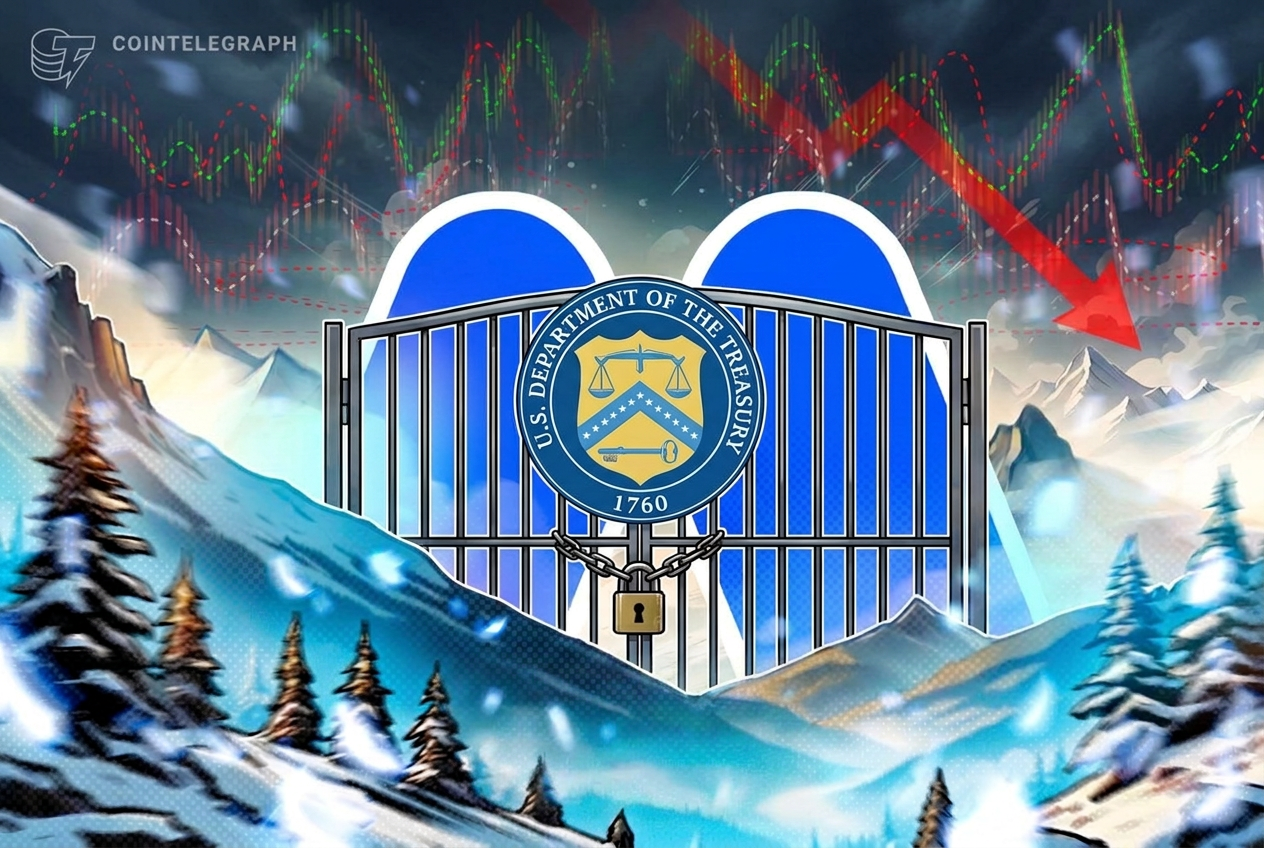
In November 2026, the U.S. Treasury’s Financial Crimes Enforcement Network (FinCEN) ordered U.S. financial institutions to stop processing transfers involving the centralized exchange MEXC Global. The agency alleged that MEXC facilitated at least $16 billion in transactions linked to sanctions evasion, cybercrime, and illicit activity, including $1.5 billion tied to Russian sanctions evasion. The order, part of “Operation Economic Outcast,” effectively cut the exchange off from the U.S. banking system and serves as a concrete example of how regulatory enforcement can impact an exchange’s ability to serve customers.
What this means for you
If an exchange is barred from the U.S. financial system, users in the United States may lose the ability to fund or withdraw fiat currency through traditional banks. Even non‑U.S. users can face indirect effects: reduced liquidity, loss of confidence, and potential freezes of assets held on the platform. For anyone looking to earn passive income through staking or cloud rewards, a regulatory crackdown can abruptly halt payouts or make it impossible to convert earnings back into usable money.
Key factors to check before trusting an exchange
- Regulatory registration and licensing – Verify whether the exchange is registered with relevant financial authorities (e.g., FinCEN, the Financial Conduct Authority, or local crypto licensing bodies). A lack of registration does not automatically mean a scam, but it raises risk.
- KYC/AML policies – Know‑Your‑Customer (KYC) and Anti‑Money‑Laundering (AML) procedures help prevent illicit activity. Exchanges that refuse basic identity verification may be more vulnerable to sanctions violations.
- Banking relationships – Look for publicly disclosed banking partners. If an exchange’s major banks have withdrawn support, that can signal upcoming operational problems.
- Security track record – Review past security incidents, such as hacks or fund freezes. Consistent, transparent incident reporting is a good sign.
- Liquidity and trading volume – Higher volume usually means tighter spreads and more reliable order execution, which is important for earning strategies that rely on frequent trades.
- Custody model – Understand whether the platform holds your assets in custodial wallets or uses a hybrid model. Custodial solutions require trust in the exchange’s internal controls.
- Community and reputation – Check forums, social media, and independent reviews. A strong, engaged community often surfaces red flags early.
Quick checklist for evaluating an exchange
- Is the exchange listed on a reputable regulator’s “registered entities” page?
- Does it require KYC, and are the documents reasonable (government ID, proof of address)?
- Are its banking partners publicly known, and have any recent news items reported a loss of those relationships?
- Has the exchange experienced a major hack or fund freeze in the past three years? How was it handled?
- What is the 30‑day average trading volume for the assets you plan to use?
- Does the platform offer non‑custodial options or allow you to withdraw to your own wallet at any time?
- Do independent users report consistent withdrawal times and transparent fee structures?
FAQ
What is the difference between a custodial and a non‑custodial exchange?
A custodial exchange holds your private keys and therefore controls your funds. If the exchange is compromised or shut down, you may lose access. A non‑custodial platform lets you retain your private keys, meaning you remain the sole owner of your assets, but you also bear full responsibility for security.
Can an exchange be safe if it operates without a license?
Operating without a license is not automatically unsafe, especially for decentralized platforms. However, for centralized services that handle fiat deposits, lack of licensing often means weaker consumer protections and higher regulatory risk.
How do sanctions affect my ability to trade on an exchange?
If an exchange processes transactions for sanctioned individuals or entities, regulators may order banks to block those transfers. This can lead to frozen accounts, delayed withdrawals, or a complete ban on the platform for users in certain jurisdictions.
Is it worth using a smaller exchange to earn higher rewards?
Higher rewards can be attractive, but smaller exchanges may have limited liquidity, weaker security measures, and a higher chance of regulatory action. Weigh the potential earnings against the risk of losing access to your funds.
This article references reporting from cointelegraph.com.