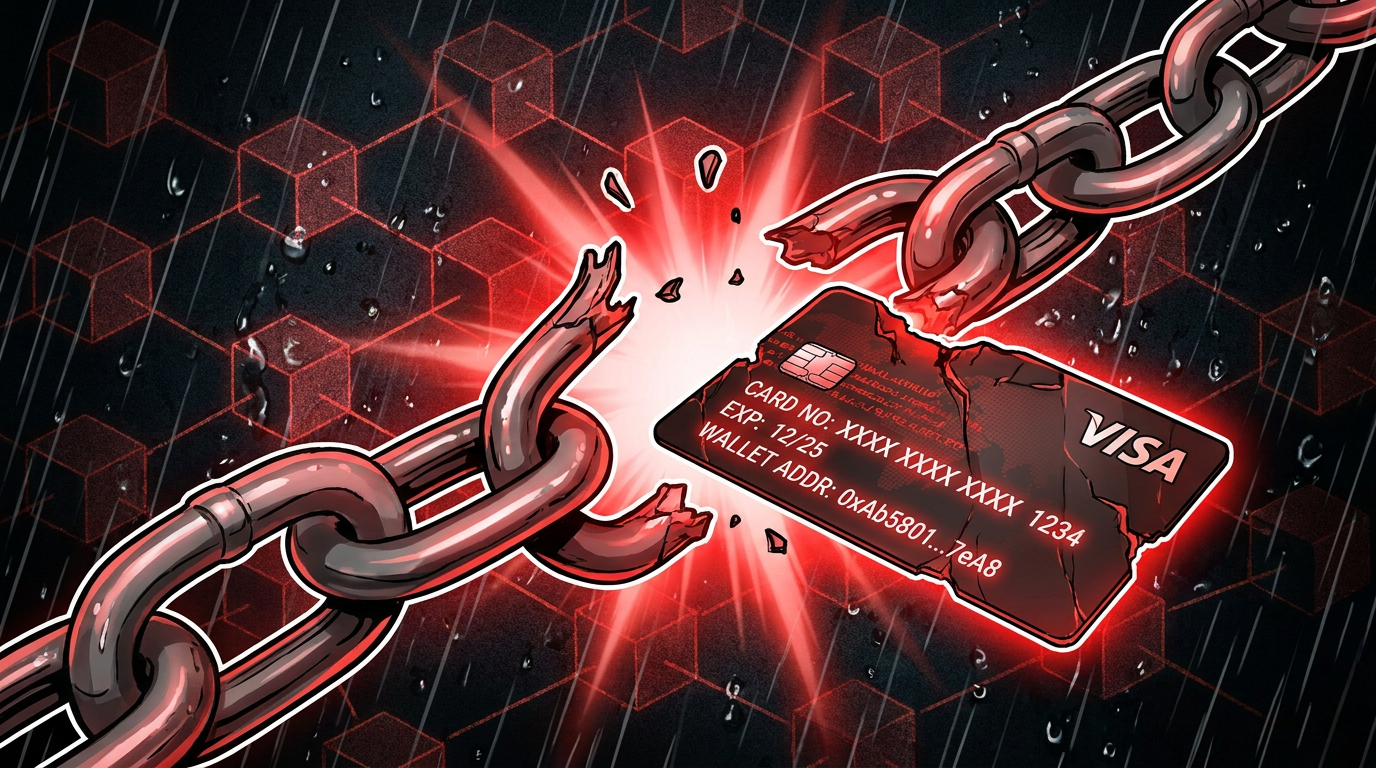
Are you wondering whether a crypto‑linked debit card is safe for everyday spending? This article explains how these cards operate, the typical security layers they use, and what you should look out for to protect your personal and financial data.
What a Crypto Debit Card Is and How It Works
A crypto debit card is a payment card—usually Visa or Mastercard—that lets you spend cryptocurrency at merchants that accept traditional cards. The card is linked to a digital wallet that holds your crypto assets. When you make a purchase, the card provider automatically converts the required amount of crypto into the local fiat currency (like USD or EUR) at the current exchange rate, then settles the transaction with the merchant.
Key components you should know:
- Digital wallet address: A string of characters that identifies where your crypto is stored. It is the on‑chain equivalent of a bank account number.
- Card‑issuing platform: The company that partners with a card network (Visa, Mastercard) to issue the physical or virtual card and handle fiat conversion.
- Backend processing system: The software that manages user accounts, stores encrypted card data, and communicates with the crypto exchange for conversions.
- Security protocols: Measures such as tokenization, encryption, 3‑D Secure (3DS), and multi‑factor authentication (MFA) that protect card details and transaction data.
Real‑World Example: The Gnosis Pay Breach
In November 2026, the crypto debit card provider Gnosis Pay disclosed a security breach that exposed customers’ payment card numbers, expiration dates, CVV codes, home addresses, and linked crypto wallet addresses. The company detected unauthorized access to its legacy consumer card system on November 3 and began containing the breach within two hours. While the breach revealed sensitive personal and financial information, Gnosis Pay confirmed that customer funds and its separate enterprise platform remained unaffected.
Gnosis Pay responded by replacing compromised credentials, making 3‑D Secure mandatory for online payments, and warning users about phishing attempts that could exploit the stolen data. The incident illustrates how even well‑known providers can be vulnerable, especially when older systems are still in use.
What It Means for You
If you use a crypto debit card, the primary risk is the exposure of personal identifiers and card details, not the loss of the crypto itself—provided the provider keeps the wallet balances separate from the card processing system. However, stolen card data can lead to fraudulent purchases, identity theft, or targeted phishing attacks that try to trick you into revealing additional credentials.
Because the card converts crypto to fiat on the fly, you also need to be aware of conversion fees and the impact of market volatility on the amount deducted from your wallet. A breach that reveals your wallet address could make you a target for phishing messages that appear to come from the card issuer, asking you to “verify” your account.
How to Evaluate a Crypto Debit Card Provider
- Check the security architecture: Look for tokenization (replacing card numbers with random tokens), end‑to‑end encryption, and mandatory 3‑D Secure for online purchases.
- Review the separation of assets: Reputable providers keep the crypto wallet balances on a separate, insulated platform from the card processing system.
- Assess incident response history: Providers that quickly contain breaches, replace credentials, and communicate transparently (as Gnosis Pay did) are generally more trustworthy.
- Confirm regulatory compliance: Licensing from financial authorities and adherence to standards such as PCI DSS (Payment Card Industry Data Security Standard) indicate a higher baseline of security.
- Monitor fees and conversion rates: Understand the cost of each transaction and any hidden charges that could affect your earnings or passive income from crypto holdings.
FAQ
Will a breach of a crypto debit card affect the crypto in my wallet?
Most providers, including Gnosis Pay, store wallet balances on a separate system from the card processing platform. A breach of card data typically does not give attackers direct access to the crypto itself, but it can expose the wallet address, making you a target for phishing.
What is 3‑D Secure and why does it matter?
3‑D Secure (often branded as “Verified by Visa” or “Mastercard Identity Check”) adds an extra authentication step for online purchases, such as a one‑time password sent to your phone. It helps prevent unauthorized use of stolen card details.
How can I protect myself from phishing after a data breach?
Never click links or download attachments from unsolicited emails, even if they appear to come from your card provider. Verify any request for personal information by contacting the provider through official channels listed on their website.
Are crypto debit cards a good way to earn passive income?
Some cards offer rewards in the form of crypto back on purchases, but the earnings are usually modest and can be offset by conversion fees. Evaluate the net reward after fees before relying on a card for passive income.
This article references reporting from cointelegraph.com.