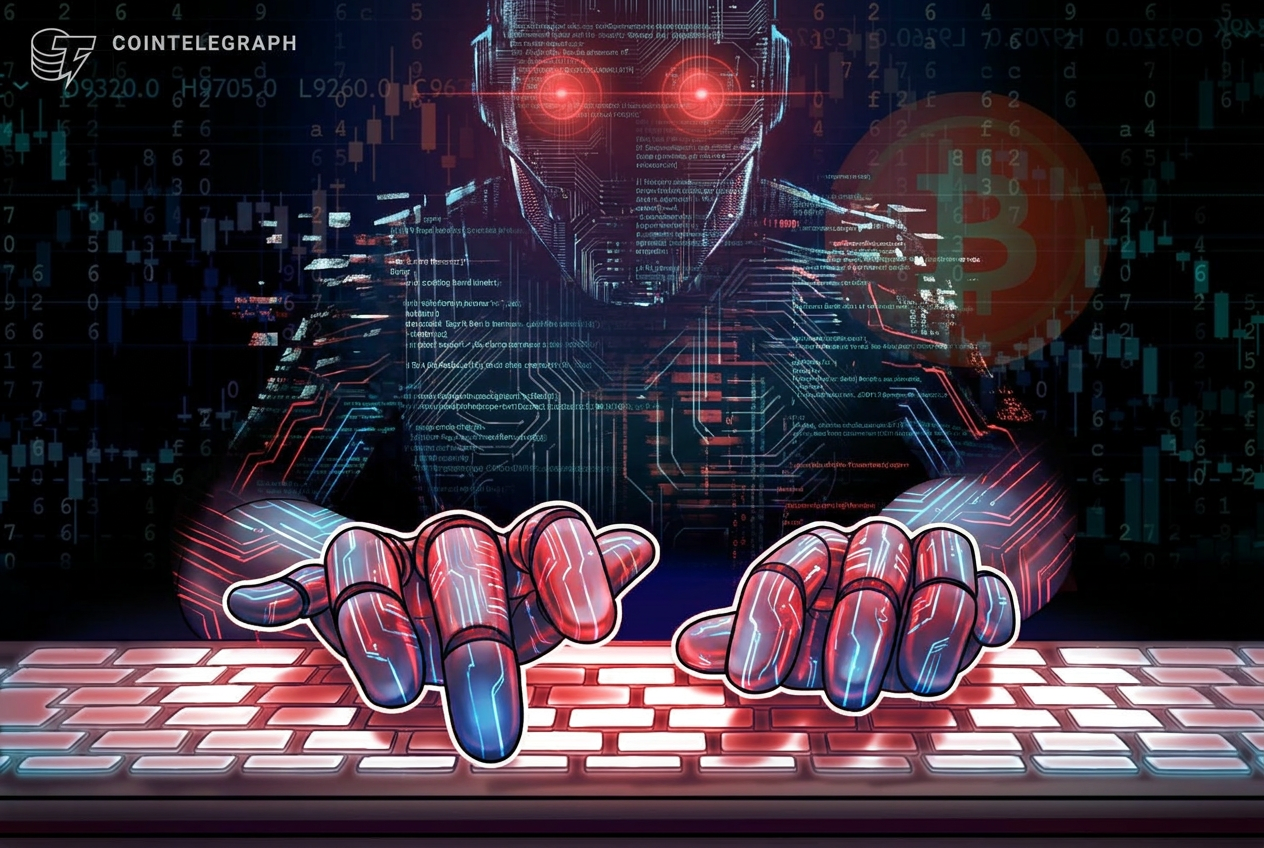
Are you worried that new technology could make your Bitcoin holdings unsafe? This article explains how artificial intelligence (AI) is being used to find and exploit vulnerabilities in the Bitcoin ecosystem, why it is considered a more immediate risk than quantum computers, and what steps you can take to protect your assets.
What AI‑driven attacks on Bitcoin actually look like
AI, particularly large language models (LLMs) such as GPT‑4, can generate code, write scripts, and suggest attack vectors based on simple prompts. When a hacker asks an LLM, “How can I bypass a two‑factor authentication check on a crypto exchange?” the model can return a step‑by‑step plan, sample code snippets, or even tailored phishing messages. Because LLMs have been trained on massive amounts of public code and security research, they can quickly identify common implementation mistakes—like weak API keys, misconfigured servers, or outdated cryptographic libraries.
In the Bitcoin world, most security breaches happen at the exchange or wallet level, not on the blockchain itself. The Bitcoin protocol uses elliptic‑curve cryptography (ECC) that, for now, remains safe from both classical and quantum attacks. However, if an exchange stores private keys in a poorly protected environment, an AI‑generated script can scrape logs, exploit unpatched software, or automate social‑engineering attacks. The result is the same: stolen funds.
Key terms:
- Large language model (LLM): An AI system that predicts text based on patterns it learned from large datasets.
- Private key: A secret number that proves ownership of a Bitcoin address; anyone with it can spend the associated coins.
- Two‑factor authentication (2FA): An extra security step that requires something you know (a password) and something you have (a code or device).
- Quantum‑resistant cryptography: Encryption methods designed to stay secure even if large‑scale quantum computers become practical.
Real‑world illustration
In November 2026, Swan Bitcoin founder Cory Klippsten warned that “the near term threat is actually AI… these LLMs in the hands of hackers going and poking through everything.” He pointed to a string of high‑profile breaches, including a security incident at Brazil’s Mercado Bitcoin that led to more than $46 million leaving wallets, and a $6.3 billion hack of Binance attributed to North Korean actors. Klippsten argued that while quantum computers capable of breaking ECC are still a decade away, AI is already being used to automate the discovery of weak points in exchange software.
What this means for you
If you store Bitcoin on an exchange or a custodial wallet, you are relying on that service’s security practices. AI tools make it easier for attackers to find misconfigurations, so the risk of a breach is higher than it was a few years ago. Holding Bitcoin in a non‑custodial wallet—where you control the private key—remains the safest way to protect your coins, but even personal devices can be targeted by AI‑generated malware.
For those who earn passive income through staking, cloud mining, or other services, the same principle applies: the platform’s security posture directly affects the safety of your rewards. Always assume that any online service could be probed by AI‑enhanced attackers.
How to evaluate the security of a crypto service
- Check whether the platform uses hardware security modules (HSMs) to store private keys offline.
- Verify that they have regular third‑party security audits and publish the reports.
- Look for multi‑signature (multisig) arrangements that require multiple keys to approve a transaction.
- Confirm that 2FA is mandatory and supports authenticator apps rather than SMS.
- Assess their incident‑response plan: do they publish timelines and remediation steps after a breach?
FAQ
Is quantum computing really a threat to Bitcoin?
Current estimates place practical quantum attacks on Bitcoin’s ECC at least ten years away. The network could adopt quantum‑resistant algorithms before that happens, but the immediate concern is AI‑driven exploitation of software flaws.
Can I protect my Bitcoin from AI‑based attacks if I keep it on an exchange?
While you cannot control the exchange’s internal security, you can reduce risk by using platforms with strong hardware wallets, multisig, and regular security audits. Diversify holdings across multiple reputable services if you must keep funds online.
Do I need special software to defend against AI‑generated malware?
Standard anti‑malware tools that receive regular updates are effective against most threats. Keep your operating system and wallet applications patched, and avoid downloading unknown scripts or binaries.
Should I be worried about my personal computer being compromised?
Yes. AI can help attackers craft phishing emails that look convincing, or generate malicious code that exploits unpatched vulnerabilities. Use strong, unique passwords, enable hardware‑based 2FA, and consider a dedicated air‑gapped device for storing large amounts of Bitcoin.
This article references reporting from cointelegraph.com.