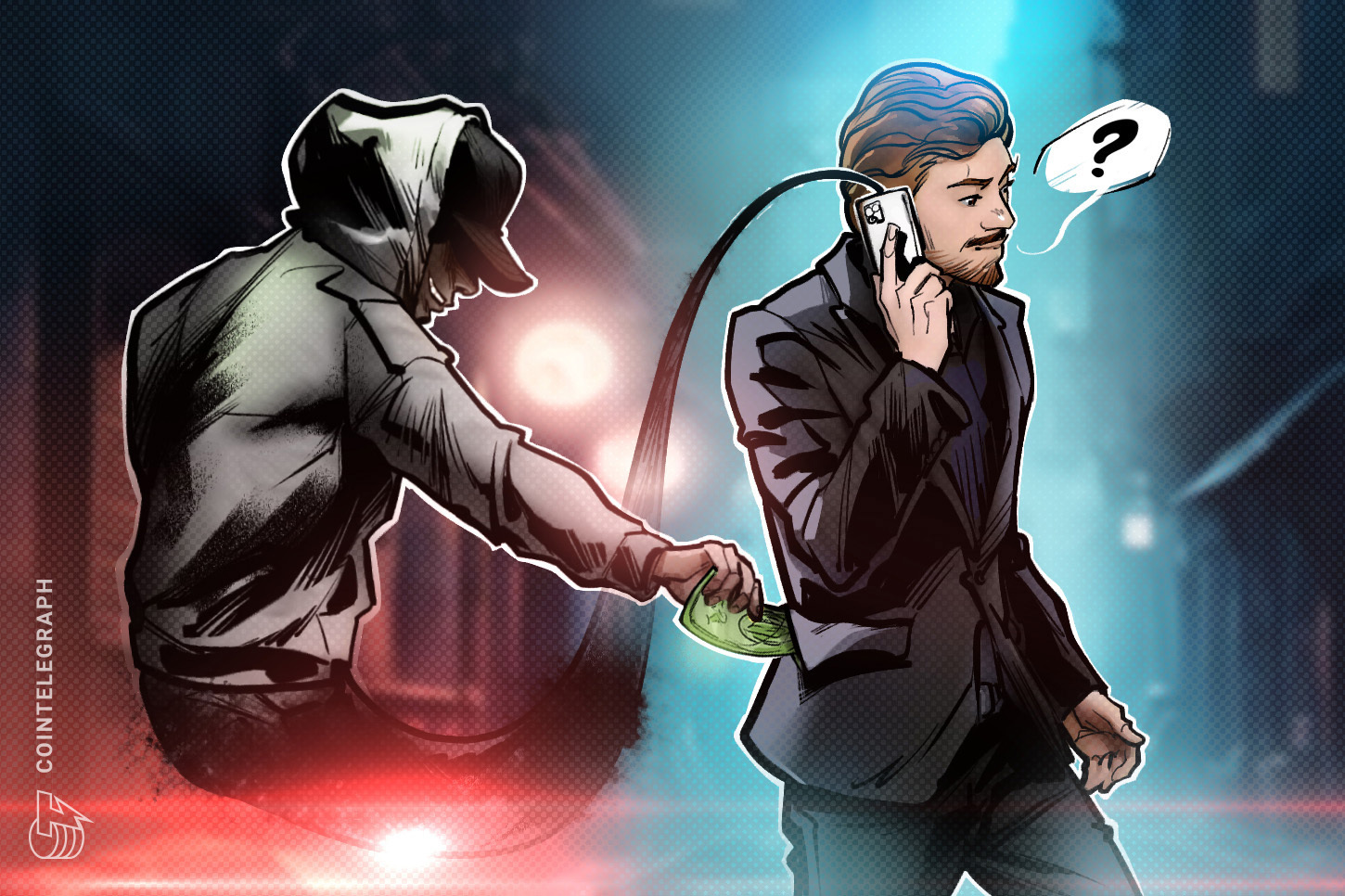
Are you worried that your digital assets could be stolen? This article explains the common ways attackers move crypto, what red flags to watch for, and how you can reduce the risk of losing your earnings.
Understanding Crypto Theft
Cryptocurrency theft does not involve physical break‑ins; instead, attackers exploit the transparent yet pseudonymous nature of blockchain transactions. The most common tactics include:
- Exchange account compromise: Hackers gain access to a user’s login credentials or two‑factor authentication (2FA) and withdraw funds directly from the exchange’s hot wallets.
- Cross‑chain swaps: After stealing stablecoins such as USDC (USD Coin) or USDT (Tether), attackers quickly convert them into other assets—often privacy‑focused coins like Monero (XMR)—to hide the trail.
- Use of instant exchange services: Platforms such as WellWallet, Kyrrex, or Wagyu allow rapid conversion between tokens without a traditional order book, making it harder to trace the flow.
- Compromised wallets and bots: Automated trading bots, especially those that move funds across multiple chains, can be hijacked. Once a private key is exposed, the attacker can drain the wallet in seconds.
- Cross‑chain bridges: Services that move assets between blockchains (for example, Mayan for Solana ↔ Ethereum) can be used to obscure the origin of stolen funds.
Because every transaction is recorded on a public ledger, investigators can follow the money, but they often face a maze of swaps, bridges, and privacy coins that make attribution difficult.
Real‑World Example
In November 2026, blockchain investigator ZachXBT flagged a suspected theft of more than $106 million from an unnamed European entity. The stolen funds were initially withdrawn from several exchanges as USDC and USDT, then swapped for Ether (ETH) and moved through instant exchange services like WellWallet and Kyrrex. Finally, the attacker converted the assets into Monero via the Wagyu swap service, a privacy coin that obscures transaction details.
In the same period, a Solana arbitrage bot known as “King” reportedly lost about $786 000. Onchain Lens observed rapid, cross‑chain movements of the bot’s funds from Solana to Ethereum using the Mayan bridge, suggesting a possible wallet compromise and an attempt to hide the origin of the stolen assets.
What This Means for You
If you earn crypto through mining, staking, cloud rewards, or trading bots, the same techniques used in high‑profile thefts can target smaller accounts. The key takeaways are:
- Stolen funds are often moved quickly through multiple assets and platforms to make recovery harder.
- Privacy‑focused coins and cross‑chain bridges are popular tools for obscuring the trail.
- Even automated systems like arbitrage bots can be vulnerable if their private keys are not securely stored.
Understanding these patterns helps you recognize suspicious activity early and take steps to protect your earnings.
How to Evaluate the Safety of Your Crypto Setup
- Secure your exchange accounts: Use strong, unique passwords and enable hardware‑based 2FA (e.g., YubiKey). Avoid SMS‑based 2FA, which can be intercepted.
- Limit hot‑wallet exposure: Keep only the amount needed for immediate transactions in exchange or hot wallets. Store the bulk of your assets in hardware wallets or other cold storage solutions.
- Protect private keys for bots and scripts: Store keys offline, use environment variables, and rotate them regularly. Consider multi‑signature wallets for added control.
- Monitor transaction patterns: Set up alerts for large withdrawals, rapid swaps, or cross‑chain transfers from your addresses. Services like blockchain explorers or dedicated monitoring bots can flag unusual activity.
- Be cautious with instant exchange services: While convenient, they often have fewer regulatory safeguards. Verify the reputation of any service before using it for large conversions.
- Stay informed about privacy coins and bridges: Know that moving funds into Monero, Zcash, or using bridges can make recovery nearly impossible. Avoid sending assets to unknown addresses on these platforms.
FAQ
What is a “hot wallet” and why is it risky?
A hot wallet is any crypto storage that is connected to the internet, such as an exchange account or a software wallet on your phone. Because it is online, it is more vulnerable to phishing, malware, and remote attacks. Keeping only a small amount in a hot wallet reduces potential loss.
How can I tell if my bot’s private key has been compromised?
Unusual activity—like sudden large transfers, rapid cross‑chain moves, or withdrawals you didn’t initiate—is a strong indicator. Implementing transaction alerts and regularly reviewing logs can help you spot a breach early.
Are privacy coins like Monero always used for illegal activity?
No. Privacy coins provide legitimate anonymity for users who value financial privacy. However, attackers often use them to hide stolen funds because the transaction details are obscured, making recovery difficult.
Can I recover stolen crypto if it’s moved through multiple swaps?
Recovery is challenging. Once funds are converted into privacy coins or moved across several blockchains, tracing becomes complex and often requires law‑enforcement involvement. The best defense is prevention through strong security practices.
This article references reporting from cointelegraph.com.