Are you wondering how a Bitcoin exchange‑traded fund (ETF) can affect the price of Bitcoin and whether it offers a way to earn passive income? This article explains what a Bitcoin ETF is, how it operates, why large inflows matter, and what you should consider before using one as part of your crypto‑earning strategy.
What a Bitcoin ETF Actually Is
An exchange‑traded fund (ETF) is a type of investment vehicle that holds a basket of assets and trades on a traditional stock exchange just like a single stock. A Bitcoin ETF does exactly that, but its underlying asset is Bitcoin. Instead of buying and storing the cryptocurrency yourself, you purchase shares of the ETF, and the fund manager takes care of acquiring, safeguarding, and accounting for the Bitcoin.
Key terms:
- Underlying asset: The actual Bitcoin that the ETF owns on behalf of shareholders.
- Custodian: A trusted third‑party that stores the Bitcoin in secure, often institutional‑grade wallets.
- Creation and redemption: The process by which large investors (authorized participants) add or remove Bitcoin from the fund in exchange for ETF shares, helping keep the share price aligned with the market price of Bitcoin.
- Expense ratio: The annual fee the fund charges to cover management, custody, and administrative costs. This fee is expressed as a percentage of your investment.
Because the ETF is listed on a regulated exchange, you can buy and sell shares through a standard brokerage account, avoid dealing with private keys, and benefit from the protections that apply to traditional securities.
How Bitcoin ETF Inflows Influence the Market
When investors pour money into a Bitcoin ETF, the fund must acquire the corresponding amount of Bitcoin to back the new shares. This buying pressure adds demand to the spot market, which can push the price of Bitcoin higher. Conversely, if investors redeem shares, the fund sells Bitcoin, adding supply and potentially pulling the price down.
The impact of inflows depends on several factors:
- Size of the inflow relative to daily Bitcoin trading volume. A large sum compared to typical daily turnover can move the market noticeably.
- Liquidity of the ETF itself. Highly liquid ETFs can handle big orders with minimal price distortion, but less liquid funds may need to trade more aggressively.
- Market sentiment. In a bullish environment, inflows can amplify optimism; in a bearish setting, they may have a muted effect.
- Regulatory environment. Clear rules can encourage institutional participation, increasing the significance of ETF flows.
Real‑World Example
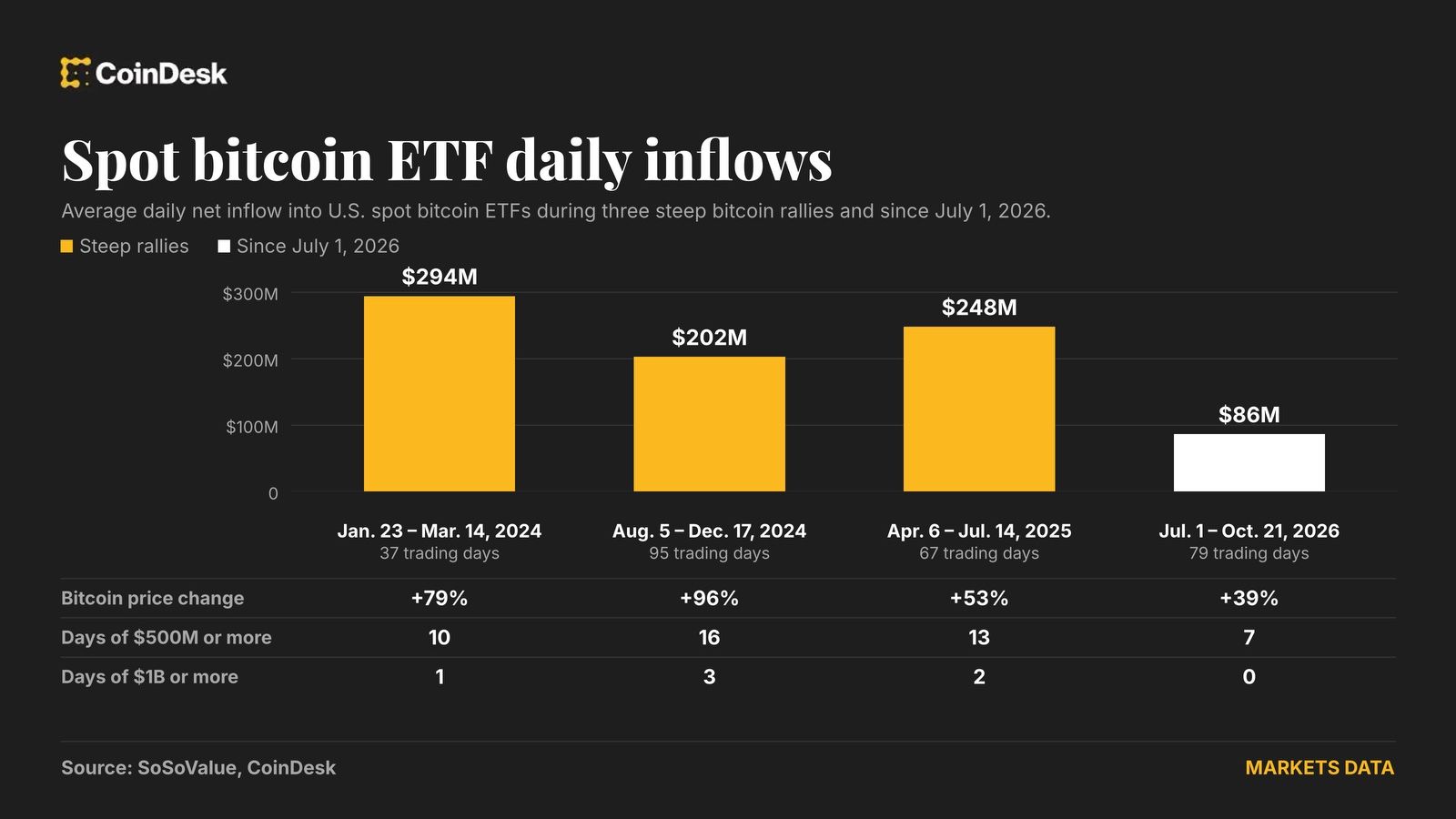
In early October 2026, newly launched Bitcoin ETFs attracted about $1.08 billion in investor capital over just three days. While the inflow was sizable, analysts noted that it might not be sufficient to trigger a steep rally in Bitcoin’s price, given the cryptocurrency’s massive daily trading volume and existing market dynamics. The example illustrates that even multi‑hundred‑million inflows can have a limited short‑term effect if the broader market is already moving on other factors.
What This Means for You
If you are looking to earn passive income from Bitcoin without managing private keys, a Bitcoin ETF offers a straightforward entry point. You can earn returns in two ways:
- Price appreciation: If Bitcoin’s price rises, the value of your ETF shares should increase proportionally.
- Dividend‑like distributions: Some Bitcoin ETFs pay out a small portion of the fund’s earnings, such as interest from lending the underlying Bitcoin, though many simply reinvest earnings.
However, keep in mind that the ETF’s expense ratio will eat into any gains, and the fund’s price may not perfectly track Bitcoin due to tracking error, especially during periods of rapid price movement.
What to Check Before Investing
To decide whether a Bitcoin ETF fits your earning strategy, evaluate the following:
- Expense ratio: Lower fees mean more of your returns stay in your pocket.
- Liquidity: Look at average daily trading volume of the ETF shares; higher liquidity reduces the cost of entering and exiting positions.
- Custody and insurance: Verify that the fund uses reputable custodians and has insurance coverage for potential losses.
- Regulatory status: Ensure the ETF is approved by the relevant securities regulator (e.g., the SEC in the United States) to avoid legal uncertainties.
- Tracking error: Compare the ETF’s price performance to the spot price of Bitcoin over several months; smaller deviations indicate more reliable tracking.
FAQ
Can I lose money with a Bitcoin ETF?
Yes. If Bitcoin’s price falls, the value of the ETF shares will decline accordingly. Additionally, the fund’s expense ratio and any tracking error can reduce returns.
Do Bitcoin ETFs pay interest or dividends?
Most Bitcoin ETFs do not pay regular dividends, but a few may distribute earnings from lending the underlying Bitcoin or from other ancillary activities. Check the fund’s prospectus for details.
Is buying a Bitcoin ETF safer than holding Bitcoin directly?
It can be safer in terms of custody, as the fund’s custodians handle secure storage. However, you remain exposed to market risk, and you must trust the fund’s management and regulatory compliance.
How do ETF inflows affect my investment?
Large inflows can create buying pressure that may lift Bitcoin’s price, potentially benefiting your holdings. But inflows are just one factor among many that drive price movements, so they should not be the sole reason for your investment decision.
This article references reporting from coindesk.com.