Ever wondered if the electricity you pay for Bitcoin mining could also keep your house warm? This article explains how mining hardware can generate usable heat, what factors determine whether it makes financial sense, and how you can evaluate a similar setup for your own home.
The plain explanation
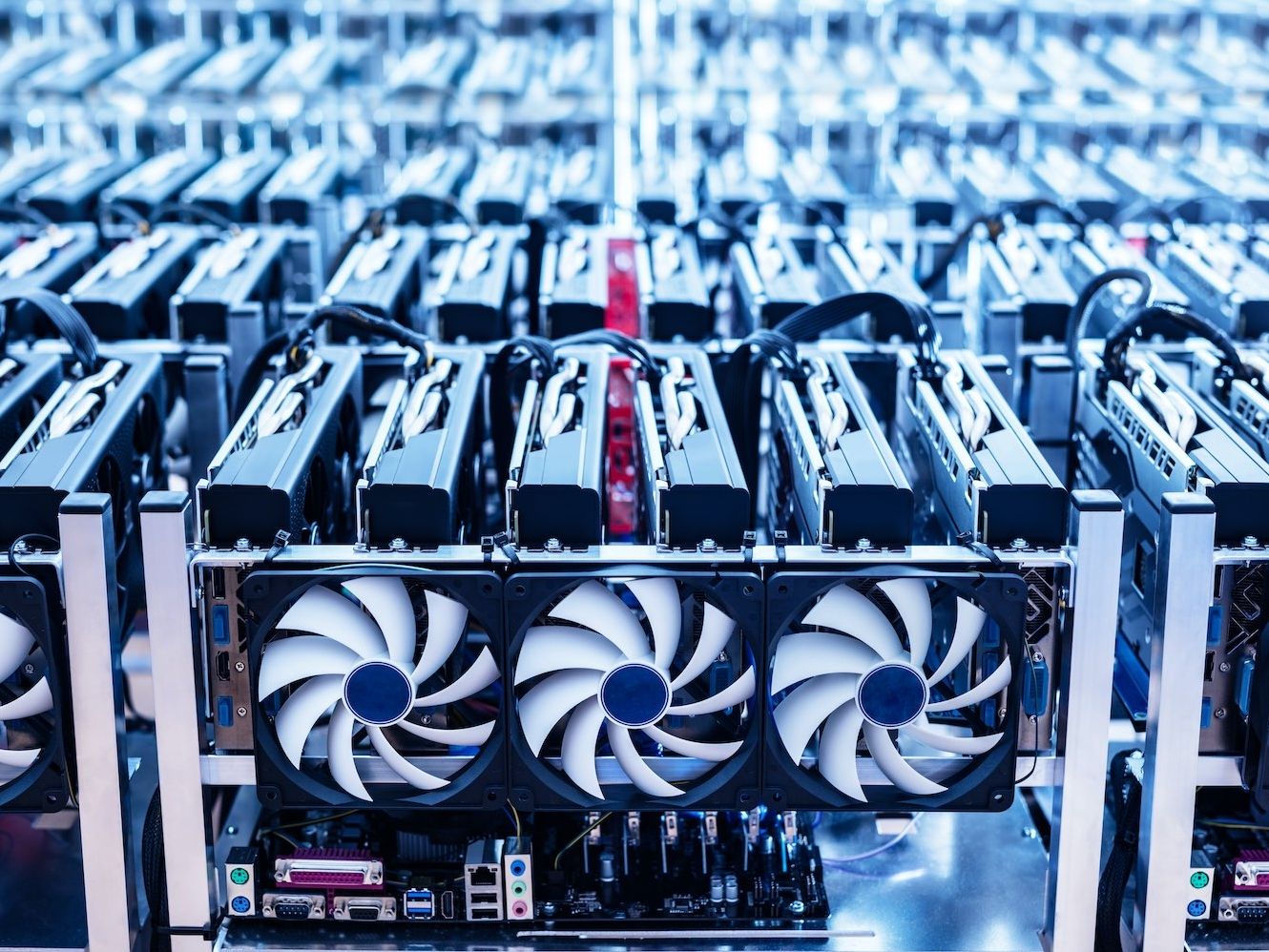
Bitcoin mining is the process of solving complex mathematical puzzles to add new blocks to the blockchain. The computers that do this work are called miners or mining rigs. They consist of specialized chips—most commonly ASICs (Application‑Specific Integrated Circuits)—that perform billions of hash calculations per second. All that computation consumes a lot of electricity, and the chips get very hot as a by‑product.
In most mining operations the heat is considered waste and is simply vented away. However, heat is a form of energy, and if you can capture it, you can use it for space heating, water heating, or even greenhouse warming. The concept is called waste‑heat recovery. By routing the hot exhaust air from the miners into a building’s heating system, the same electricity bill that powers the hash calculations also supplies warmth.
To understand whether this dual‑use makes sense, you need to look at three key variables:
- Mining revenue per kilowatt‑hour (kWh): This is the amount of Bitcoin earned (converted to your local currency) for each unit of electricity consumed. It depends on the price of Bitcoin, the network’s difficulty, and the efficiency of the hardware.
- Electricity cost per kWh: The price you pay the utility. In regions with cheap or renewable electricity, the margin between revenue and cost can be positive.
- Heating demand: How much heat your home needs over a typical heating season. If the miners produce more heat than you need, you’ll have to vent the excess, which reduces the overall efficiency.
When mining revenue exceeds the electricity cost, the operation is already profitable on its own. Adding heating to the equation means the same profit also offsets part of your home‑heating bill, effectively turning a pure expense into a partially self‑sustaining system.
A real example
In 2026 a Finnish startup installed 30 Bitcoin mining rigs in a residential building and connected the exhaust to the building’s central heating system. At the Bitcoin price level at the time—just above $70,000 per coin—each rig earned slightly more than the electricity it consumed. The result was a net‑positive cash flow from mining, while the building’s occupants enjoyed free heat during the cold months. The project demonstrated that, under the right market conditions, mining can be both a source of revenue and a source of warmth.
What it means for you
If you live in a climate that requires regular heating and you have access to relatively inexpensive electricity, a mining‑heat system could lower two bills at once. The primary benefit is financial: the mining profit reduces the amount you would otherwise spend on heating fuel or electricity. A secondary benefit is environmental: using the waste heat means you’re extracting more value from the same electricity, which can improve the overall energy efficiency of the system.
However, the model is sensitive to Bitcoin’s market price. A sharp drop in price can turn a previously profitable setup into a loss‑making one, meaning you would be paying for heat without any offsetting mining income. Therefore, it’s important to treat the mining component as a variable income source rather than a guaranteed revenue stream.
What to check / how to judge
- Hardware efficiency: Look for ASICs with a low watt‑per‑terahash (W/TH) ratio. More efficient chips produce less waste electricity for the same hash power, improving both profitability and heat output.
- Electricity price: Calculate your local cost per kWh. If it exceeds the average mining revenue per kWh, the system will run at a loss even before accounting for heating.
- Heating load: Estimate the seasonal heat demand of your home in kilowatt‑hours. Compare this to the total heat output of the planned rigs (roughly 1 kW of heat per 1 kW of power draw).
- Regulatory environment: Some jurisdictions treat mining equipment as industrial machinery and may impose different building codes or tax treatments for combined heat‑and‑power installations.
- Backup plan: Have a way to shut down or throttle the rigs if Bitcoin prices fall dramatically, so you don’t waste electricity on an unprofitable operation.
FAQ
Can I use any mining hardware for heating? Yes, any miner that generates heat can be repurposed, but ASICs are the most common because they have the highest power draw per unit of space, delivering more heat per square foot.
Is the heat from miners safe for my home? The exhaust air is typically around 70–80 °C, which is safe for most hydronic heating systems after passing through a heat exchanger. Proper ventilation and temperature controls are essential.
What happens if Bitcoin’s price drops below my electricity cost? The mining rigs will become a net electricity consumer. In that case you can either turn them off or run them solely for heat, accepting the electricity cost as a heating expense.
Do I need a special contract with my utility? Some utilities offer lower rates for industrial‑scale consumption or for customers who feed waste heat back into district heating networks. Check with your provider for any relevant programs.
This article references reporting from coindesk.com.