Are you wondering why the electricity bill of a massive data center matters to your crypto mining or cloud‑reward earnings? This article explains how data centers consume power, why regulators are paying close attention, and what that means for anyone trying to earn passive income from blockchain activities.
The basics of data center power consumption
A data center is a facility that houses servers, networking equipment, and storage systems that run everything from cloud services to AI models. The power usage effectiveness (PUE) metric measures how efficiently a data center uses electricity: it is the ratio of total facility energy to the energy used by the IT equipment alone. A PUE of 1.0 would mean every watt goes to computing, but most modern facilities operate around 1.2–1.5, meaning additional energy powers cooling, lighting, and backup systems.
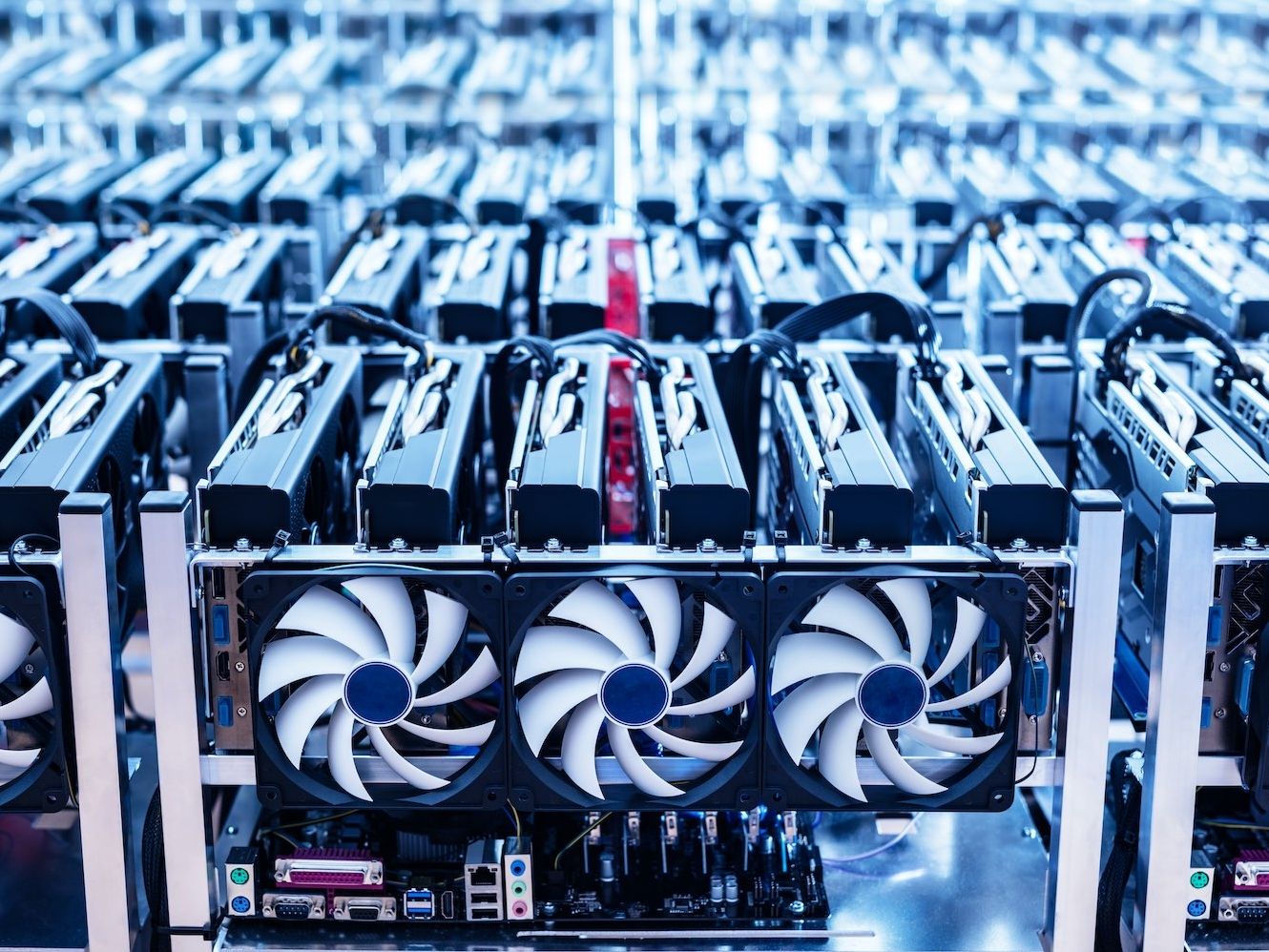
Servers run 24/7, and high‑performance GPUs used for AI or cryptocurrency mining draw significant power. For example, a single modern GPU can consume 250–350 watts at full load. Multiply that by thousands of GPUs in a data center, and the electricity demand can reach tens of megawatts—equivalent to the output of a small town.
Because electricity is often sourced from the local grid, data centers can put pressure on regional power supplies and water resources (cooling systems use large volumes of water). This is why governments and local communities increasingly scrutinize new constructions, especially when the proposed use includes energy‑intensive workloads such as AI training or crypto mining.
Real‑world illustration
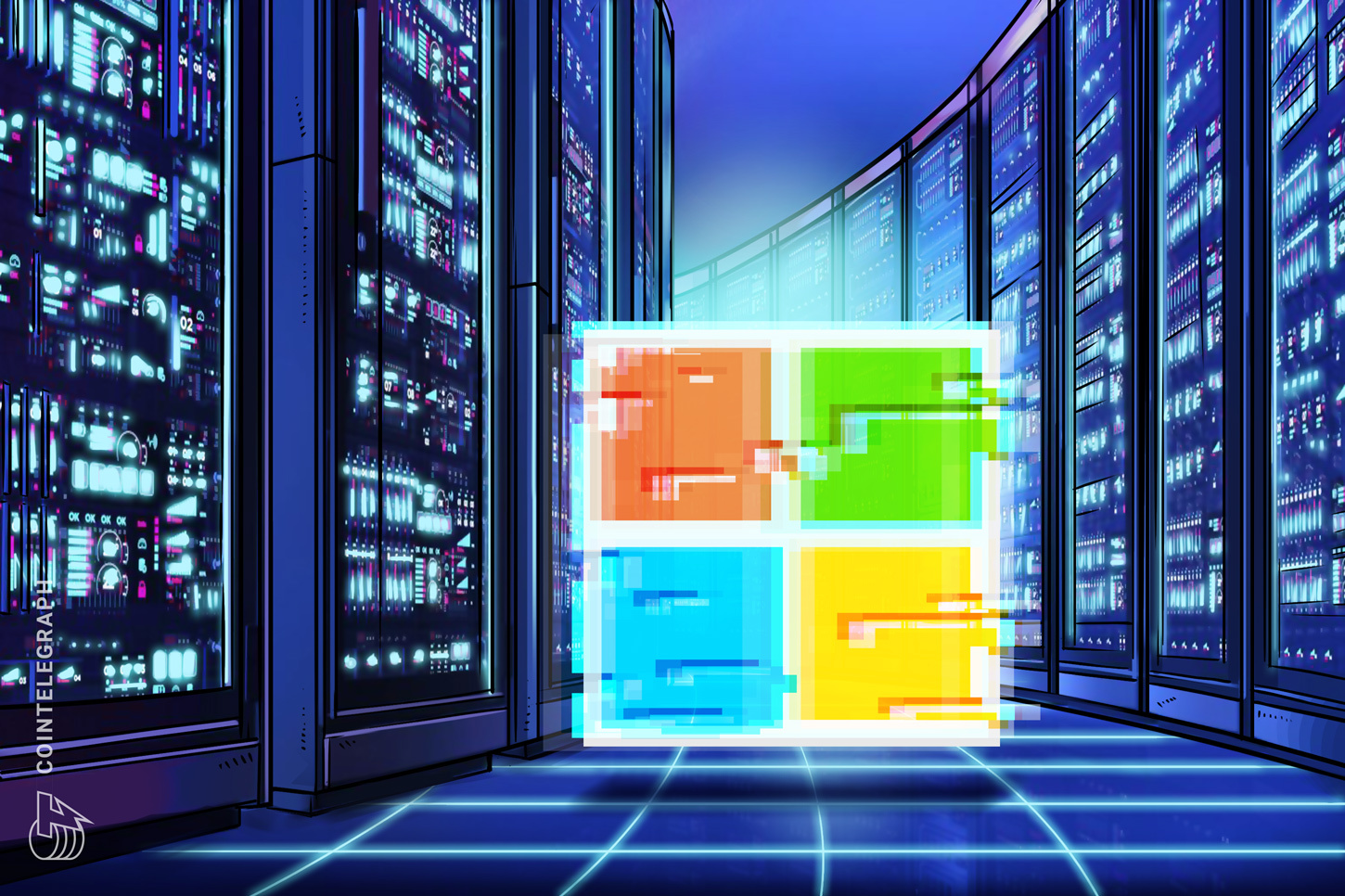
In November 2026, protesters in Amsterdam broke into a construction site for a new Microsoft data center. Dutch police detained between 150 and 200 participants for trespassing. The demonstrators said they wanted to stop the project because large data centers consume “large amounts of electricity and water.” Microsoft responded that it respects the right to peaceful protest but does not condone unlawful actions. The incident reflects growing public concern about the environmental footprint of data‑center projects, especially as regulators in the United States signal tighter rules for facilities that host AI and crypto mining workloads.
What this means for you
If you earn crypto through mining, staking, or cloud‑reward platforms, the energy policies that affect data centers can indirectly shape your profitability. Tighter regulations may lead to higher electricity costs for operators, which can be passed on to users in the form of higher fees or reduced reward rates. Conversely, data‑center operators that invest in renewable energy or more efficient cooling can lower operating costs, potentially offering more attractive terms for miners.
For participants in green‑focused platforms, such as EcoPool, the source of electricity matters. A data center powered by wind or solar can align with the “green crypto” narrative, while one reliant on fossil‑fuel grids may attract criticism and risk future carbon‑pricing measures.
How to evaluate a mining or cloud‑reward opportunity
- Check the energy source. Look for disclosures about renewable energy usage or power‑purchase agreements (PPAs) with green generators.
- Assess efficiency metrics. A lower PUE indicates a more efficient facility, which usually translates to lower operating costs.
- Review regulatory exposure. Facilities located in regions with pending legislation on data‑center emissions may face future restrictions.
- Understand fee structures. Some platforms pass electricity costs directly to users; others absorb them. Knowing which model applies helps you estimate net earnings.
FAQ
Why do data centers need so much cooling?
Servers generate heat while processing data. Without adequate cooling, components can overheat, leading to failures. Cooling systems—air‑conditioning, liquid cooling, or evaporative methods—consume additional electricity, contributing to the overall PUE.
Can I choose a mining provider that uses only renewable energy?
Yes. Many cloud‑mining services publish their energy mix or have certifications such as RE100. Look for those disclosures before committing funds.
Will stricter regulations always make mining less profitable?
Not necessarily. Regulations can spur investment in more efficient hardware and renewable power, which may lower long‑term costs. The key is to stay informed about policy changes in the jurisdiction where the data center operates.
How does the PUE affect my rewards?
A lower PUE means a larger share of the facility’s electricity goes to actual computing work, potentially reducing the overhead that is deducted from your reward pool. Higher PUE values can erode net earnings.
This article references reporting from cointelegraph.com.