Are you worried that a government crackdown could wipe out the crypto earnings you’re building online? This article explains how sanctions and anti‑money‑laundering (AML) actions target crypto exchanges, how they work, and what you should look out for when choosing a platform to earn passive income.
What sanctions and AML actions are, in plain language
A sanction is a legal restriction placed by a government on individuals, companies, or entire sectors. In the crypto world, sanctions usually forbid U.S. persons from dealing with a targeted exchange or token, and they often require foreign platforms to block certain users or transactions.
Anti‑money‑laundering (AML) rules are a set of regulations that require financial services—crypto exchanges included—to verify who their customers are (know‑your‑customer, or KYC), monitor transactions for suspicious activity, and report anything that looks illegal to authorities.
When a regulator believes an exchange is facilitating illicit finance—such as moving funds for sanctioned countries or criminal groups—it can issue an order that effectively cuts the exchange off from the U.S. financial system. This can include blocking the exchange’s access to U.S. banks, prohibiting U.S. citizens from using the platform, and placing the exchange on a watchlist that other businesses must avoid.
A real‑world illustration
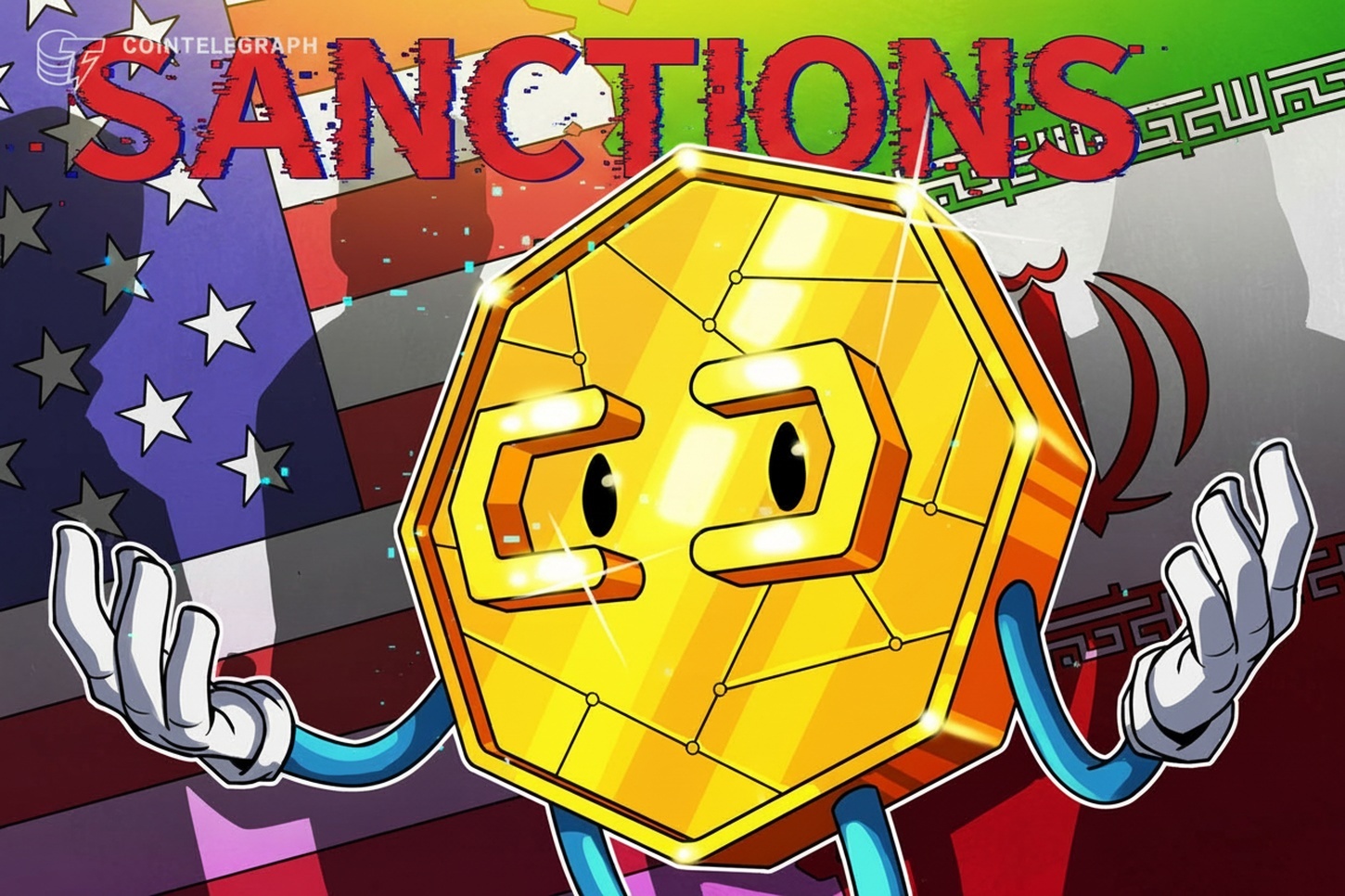
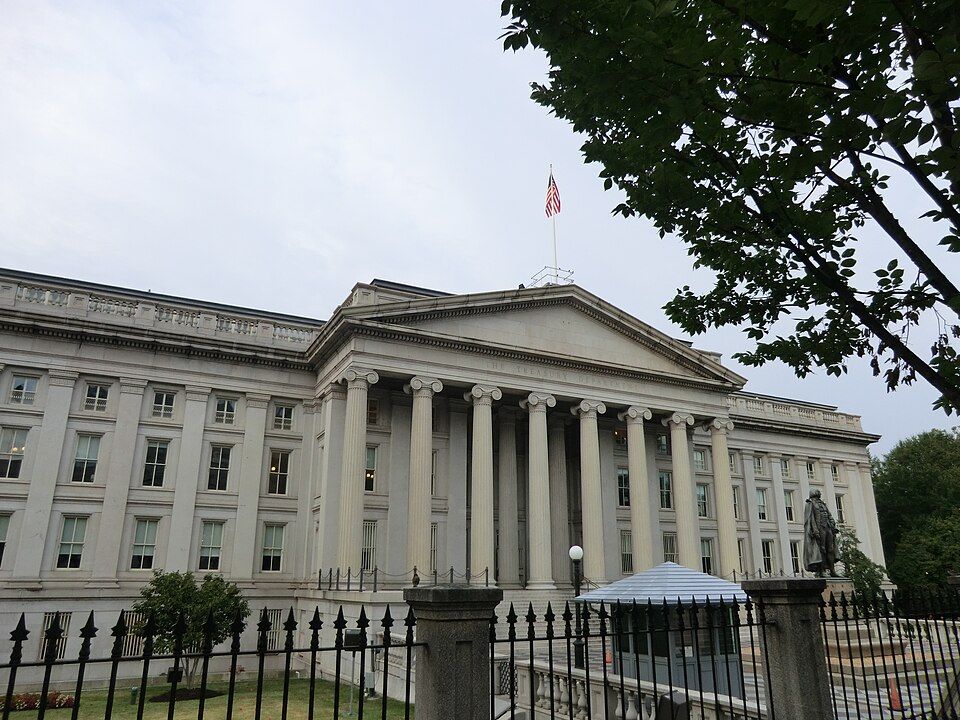
In March 2026, the U.S. Treasury announced a move to cut off the crypto exchange MEXC. While the Treasury framed the action as part of its campaign against Iran, the underlying justification focused on MEXC’s alleged involvement in moving roughly $16 billion of illicit funds linked to Russian finance. The order signaled that U.S. persons could no longer transact with MEXC and that U.S. financial institutions should block any dealings with the exchange.
What this means for you as an online earner
If you use a sanctioned exchange to earn rewards, stake coins, or trade, you could suddenly lose access to your funds or be forced to withdraw them under tight timelines. Even if you are not a U.S. resident, many global platforms respect U.S. sanctions to avoid being cut off from the world’s largest financial market.
Beyond loss of access, sanctions can cause price volatility for tokens listed on the targeted exchange, and they may affect the overall health of a project that relies heavily on that platform for liquidity. For passive‑income strategies that depend on stable yields—such as staking or cloud mining contracts—unexpected platform shutdowns can reduce or eliminate expected returns.
How to evaluate the safety of a platform
- Regulatory standing: Check whether the exchange is registered with relevant authorities (e.g., FinCEN in the U.S.) and whether it appears on any sanctions or watchlists.
- KYC and AML policies: Platforms that enforce robust identity verification and transaction monitoring are less likely to be used for illicit flows, reducing the risk of sanctions.
- Geographic diversification: Spread your earnings across multiple reputable platforms and, if possible, keep a portion of assets in self‑custodied wallets where you control the private keys.
- Transparency reports: Some exchanges publish regular compliance updates. Look for clear communication about how they handle suspicious activity.
- Community reputation: Forums, independent reviews, and open‑source audits can give clues about an exchange’s track record.
FAQ
What happens to my funds if an exchange gets sanctioned?
Typically, the exchange will freeze withdrawals for a short period while users are instructed to move their assets to other wallets. In some cases, funds may be seized if authorities deem them linked to illegal activity.
Can I still earn passive income on a platform that’s under investigation?
It’s risky. Even if the platform continues operating, the uncertainty can lead to sudden changes in reward rates, loss of access, or forced closure. Consider moving your earnings to a platform with clear compliance.
Do sanctions only affect U.S. users?
While sanctions are legally binding only for U.S. persons and entities, many global businesses comply voluntarily to avoid secondary sanctions, so the impact can be worldwide.
How can I protect my crypto earnings from regulatory shocks?
Use a mix of self‑custody and reputable, compliant exchanges; stay informed about regulatory developments; and keep only the amount you need for active earning on any single platform.
This article references reporting from coindesk.com.