
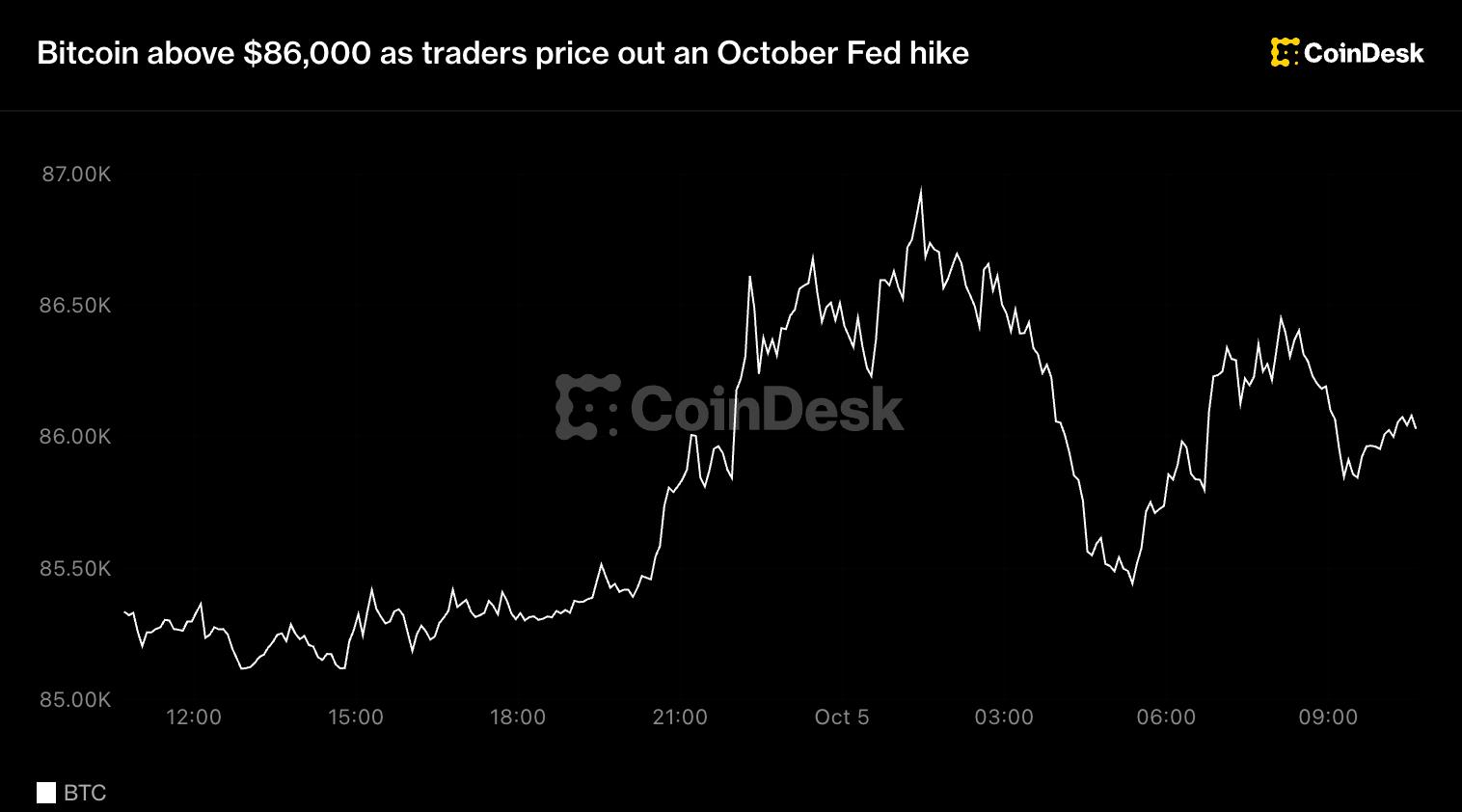
Are you wondering why Bitcoin’s market price matters to the people who actually secure the network? This article explains how price movements affect mining rewards, costs, and the decisions of small and cloud miners.
What “price” really means for Bitcoin mining
Bitcoin mining is the process of using computer hardware to solve cryptographic puzzles. The first miner to solve a puzzle adds a new block to the blockchain and receives a block reward. The reward consists of newly minted bitcoins (the “subsidy”) plus any transaction fees that users attached to the transactions in that block.
The subsidy is fixed by protocol and halves roughly every four years; it does not change with the market. Transaction fees can vary, but they are usually a small portion of total earnings. Because the reward is paid in bitcoins, the value of those bitcoins in fiat currency (USD, EUR, etc.) determines how much money a miner actually earns.
In addition to the reward, miners must cover operational costs. The biggest expenses are electricity and hardware depreciation. These costs are usually measured in fiat terms, so a higher Bitcoin price means a higher revenue‑to‑cost ratio, while a falling price squeezes margins.
Real‑world illustration
In March 2026, Bitcoin traded just above $86,000 after a weak U.S. jobs report reduced expectations of an upcoming Federal Reserve rate hike. Analysts at QCP Capital noted that short positions made up 68% of open contracts, indicating that many traders were betting on a price decline. For miners, the price level above $86,000 meant that each newly minted block (currently worth 6.25 BTC) generated roughly $537,500 in revenue before costs.
What this means for you as a miner or cloud‑mining participant
If you run a home mining rig, a price above $86,000 can turn a marginal operation into a modest profit, provided your electricity cost is low enough. Conversely, if the price drops below the level where revenue covers electricity, you may end up operating at a loss and might choose to shut down or switch to a more efficient algorithm.
For cloud‑mining services, such as EcoPool’s “green” mining contracts, the price determines the payout you receive at the end of the contract. Most contracts lock in a hash‑rate and a duration, then calculate your share of the block reward based on the Bitcoin price at the payout date. A higher price at that moment translates into a larger fiat payout.
How to evaluate profitability before you start
- Break‑even electricity cost: Calculate the price at which your revenue equals your electricity expense. Use an online mining profitability calculator and input your hardware’s hash‑rate, power draw, and local electricity rate.
- Hardware efficiency: Newer ASIC models (e.g., Antminer S19 XP) deliver more hashes per watt. Higher efficiency widens the profit margin, especially when prices dip.
- Market outlook: While you cannot predict price movements, consider macro factors such as employment data, central‑bank policy, and Treasury yields, which historically influence Bitcoin’s price.
- Contract terms for cloud mining: Review the hash‑rate allocation, contract length, and any fees. Ensure the provider discloses how payouts are calculated and whether they use a fixed or variable price reference.
FAQ
Why does a higher Bitcoin price not always mean higher profit?
Profit depends on the ratio of revenue to costs. If electricity rates rise or hardware becomes less efficient, a higher price may still leave you with a thin margin.
Can transaction fees ever outweigh the block subsidy?
During periods of network congestion, fees can become significant, but they have not yet surpassed the subsidy on a regular basis. They are an additional upside, not a reliable primary income source.
Is it safer to mine when Bitcoin is above $80,000?
Higher prices improve the chance of profitability, but mining remains exposed to price volatility, hardware failure, and regulatory risk. Diversifying—such as combining home mining with cloud contracts—can reduce exposure.
How often should I reassess my mining operation?
Check profitability at least quarterly, or whenever there is a major market shift (e.g., a Fed policy change or a large employment report). Adjust hardware, electricity contracts, or cloud‑mining allocations accordingly.
This article references reporting from coindesk.com.





