Ever wonder why you keep hearing about people losing huge sums to “crypto scams” and what you can actually do to avoid becoming a victim? This article breaks down the common tactics used by fraudsters in the crypto space, explains why these schemes are so effective, and gives you practical steps to keep your digital assets safe.
What a crypto scam actually is
A crypto scam is any fraudulent activity that uses cryptocurrencies or related technologies to trick victims into sending money, personal data, or access to their digital wallets. The term “cryptocurrency” refers to a digital asset secured by cryptography, such as Bitcoin or Ethereum. Scammers exploit the anonymity, speed, and global reach of these assets to run schemes that would be harder to pull off with traditional money.
Typical scams fall into a few broad categories:
- Impersonation schemes: Fraudsters pose as trusted figures—government officials, celebrities, or company executives—and ask for crypto payments.
- Ransomware: Malware encrypts a victim’s files and demands payment in cryptocurrency to unlock them.
- Fake exchanges or wallets: Websites that look like legitimate platforms but steal login credentials or funds.
- Investment fraud: Promises of guaranteed high returns from “secret” projects, often using “pump‑and‑dump” tactics.
- Crypto ATMs: Machines that appear to sell crypto but actually skim cards or dispense counterfeit tokens.
Because blockchain transactions are irreversible, once a scammer receives the crypto, there is little chance of recovery. This irreversibility, combined with the lack of a central authority, makes due diligence essential before any transaction.
Real‑world illustration
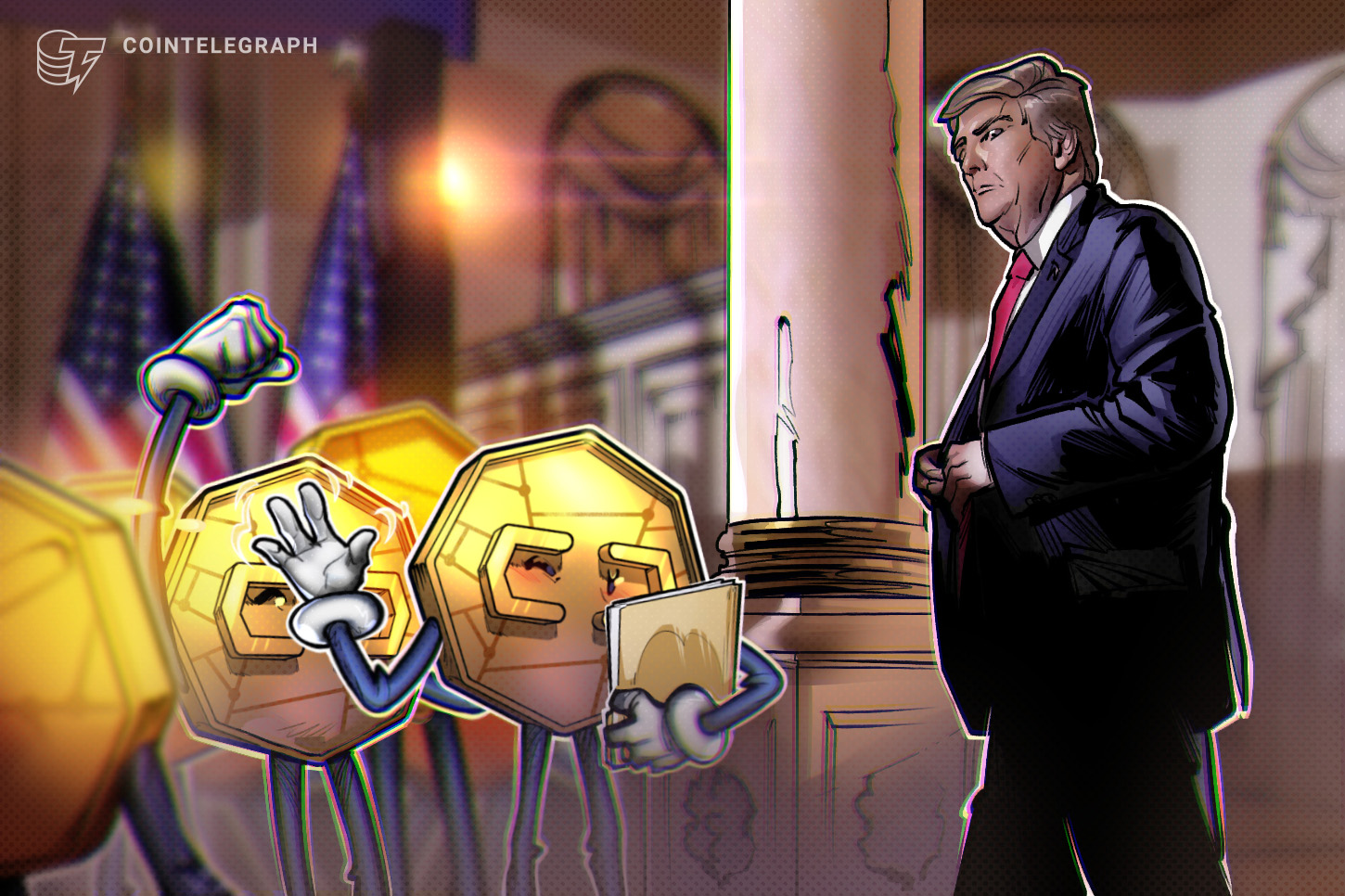
In October 2026, President Donald Trump hosted a White House roundtable on cybercrime. While the event highlighted that “countless” Americans lost more than $20 billion to cybercrime in 2025, the president used the outdated term “cybercurrency” instead of “cryptocurrency.” Federal officials reported freezing $1 billion in “cybercurrency tied to foreign scammers” and preventing $1.6 billion in further losses. The FBI alone estimated $11 billion of those losses were directly linked to digital‑asset scams, including attacks on crypto ATMs. This high‑profile discussion underscores how widespread and costly crypto‑related fraud has become.
What it means for you
If you are looking to earn passive income through staking, mining, or cloud rewards, you are already handling crypto assets. The same tools that let you earn can also expose you to scams if you are not careful. Even a small mistake—clicking a phishing link, trusting an unverified influencer, or using an insecure wallet—can result in a total loss of funds.
Understanding the mechanics of scams helps you spot red flags early. For example, a promise of guaranteed returns of 200 % in a month is a classic sign of a Ponzi scheme. Similarly, requests for payment to a “wallet address” that is not associated with a known exchange should raise suspicion.
How to evaluate a crypto opportunity
- Verify the source: Check the official website, social media accounts, and community forums. Look for consistent branding and transparent team information.
- Research the token: Use block explorers (e.g., Etherscan) to see contract code, audit reports, and transaction history.
- Check regulatory status: See if the project is registered with relevant authorities or has clear compliance statements.
- Test with a small amount: Before committing large sums, send a minimal amount to confirm the address and process work as advertised.
- Secure your wallet: Use hardware wallets for large holdings, enable two‑factor authentication, and keep backup phrases offline.
FAQ
What is the difference between a “crypto scam” and a legitimate investment?
A legitimate investment will provide clear information about the team, technology, and risk factors, and it will not guarantee fixed returns. Scams often rely on hype, secrecy, and pressure to act quickly.
Can I recover funds lost to a crypto scam?
Because blockchain transactions are immutable, recovery is rare. Reporting the incident to law enforcement and providing transaction hashes can help investigations, but the chances of getting the money back are low.
Are crypto ATMs safe to use?
Only use ATMs operated by reputable companies and located in well‑known venues. Verify the machine’s branding, check for tampering, and avoid any that request additional personal information beyond the standard transaction.
How does “freezing cybercurrency” work?
Authorities can seize crypto assets by obtaining the private keys associated with a wallet or by compelling exchanges to block withdrawals. This typically requires a court order or cooperation from the platform holding the funds.
This article references reporting from cointelegraph.com.